
10 Must-Have Herbal Remedies for Everyday Wellness

Here’s the thing about herbal remedies—they aren’t just a trend, they’re a practical tool for maintaining wellness in your everyday life. We’ve all heard about the power of herbs like echinacea or ginger, but what does the science really say about them? And how can you use them safely without falling for the latest wellness hype?
In this post, we’ll dive into 10 essential herbs that deserve a place in your medicine cabinet. These herbs are backed by scientific research and have been used traditionally for centuries. Let’s explore how you can use them for better energy, digestion, and immunity. But first, a little disclaimer: always check with your GP before trying something new, especially if you're on any medication.
The Science:
First, let's look at the science behind these herbs. Many of the herbs we'll discuss today contain active compounds that have been studied for their medicinal properties. For example, *Echinacea purpurea* has been shown to stimulate the immune system, while *Ginger officinale* contains gingerol, a compound with strong anti-inflammatory properties.
The Tradition:
Herbalism isn't just about science; it’s also about tradition. People have been using herbs for thousands of years for everything from healing wounds to improving digestion. While modern medicine has advanced significantly, traditional herbal knowledge still has a lot to offer. Herbs like *Peppermint* and *Chamomile* have long been used to support digestive health, and their benefits are now supported by modern research.
1. Echinacea: Boosting Immunity
Often touted as a remedy for the common cold, *Echinacea purpurea* is an herb that has been shown to enhance immune function. Studies suggest that it can reduce the duration of colds and even prevent them in some cases. The active compounds in echinacea help stimulate white blood cells, which play a key role in immune defense.
2. Ginger: Your Digestive Ally
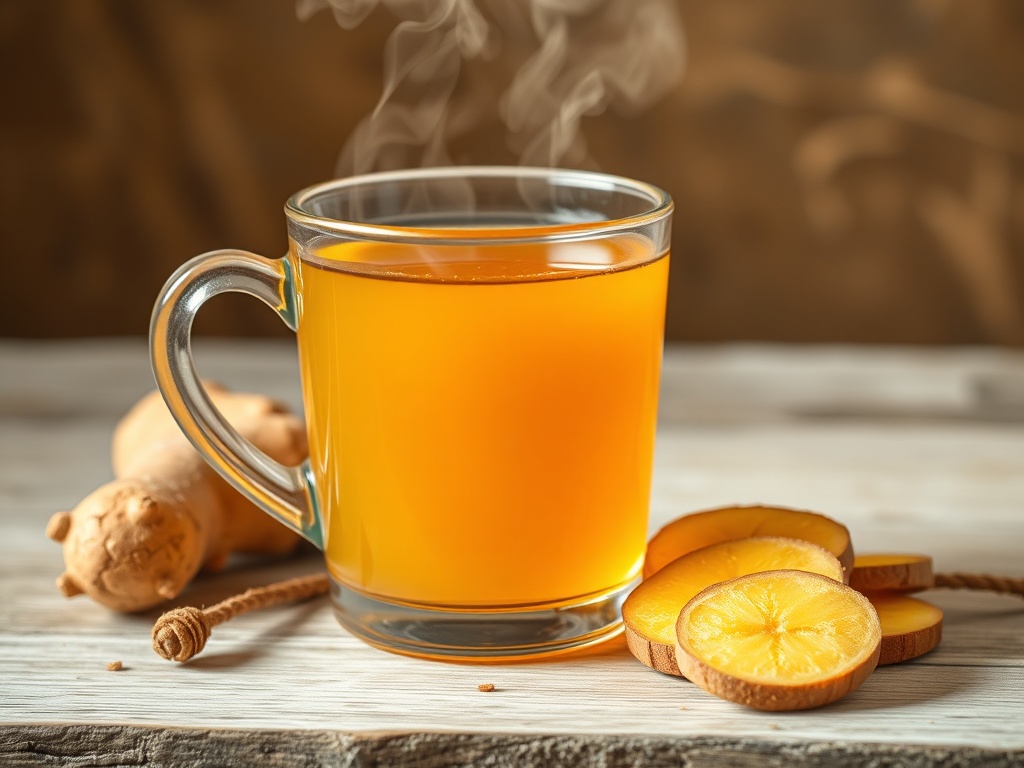
*Ginger officinale* is a well-known herb used to alleviate nausea and digestive discomfort. It contains gingerol, a compound that has anti-inflammatory effects and can help soothe the stomach. Whether it’s morning sickness, travel nausea, or indigestion, ginger tea is a go-to remedy.
3. Peppermint: A Fresh Digestive Tonic
*Mentha piperita*, or peppermint, is widely used to calm the stomach. It’s especially helpful for relieving bloating, gas, and other digestive discomforts. The menthol in peppermint has a relaxing effect on the muscles of the digestive tract, helping to alleviate symptoms of IBS and other stomach issues.
4. Chamomile: The Gentle Sleep Support
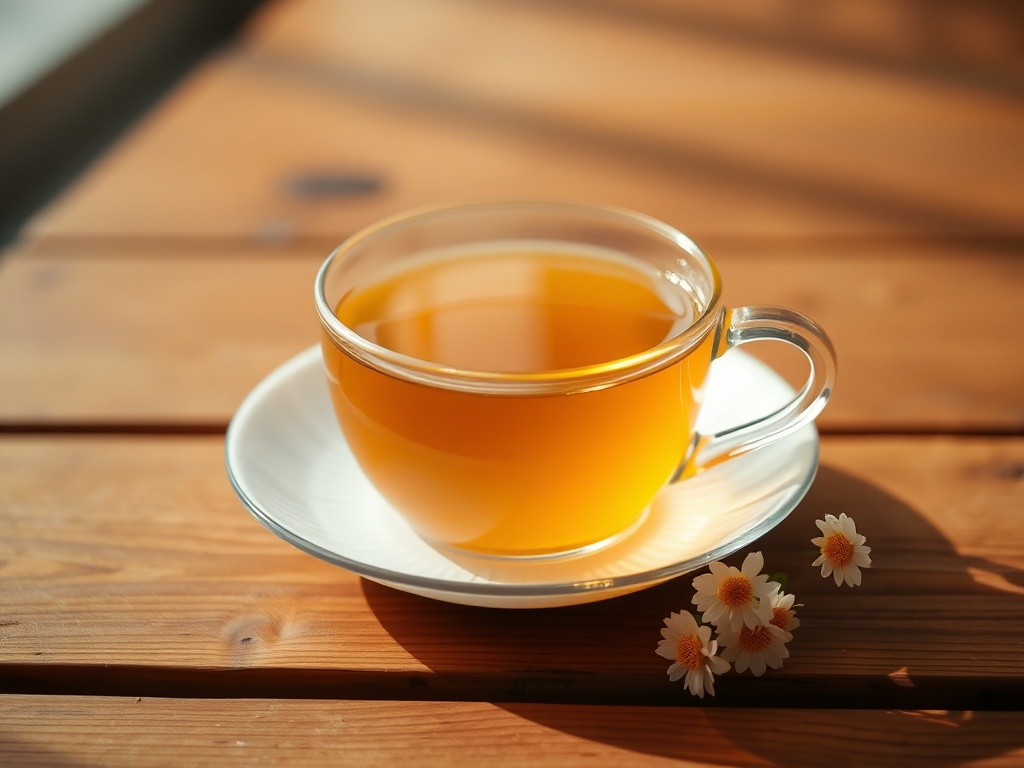
Known for its calming effects, chamomile (*Matricaria chamomilla*) is commonly used to promote relaxation and improve sleep. The flavonoids in chamomile interact with the same brain receptors targeted by medications like benzodiazepines, but without the side effects. A cup of chamomile tea before bed can be your ticket to a restful night’s sleep.
5. Ashwagandha: Stress Reduction
When it comes to stress, *Withania somnifera*—commonly known as ashwagandha—has a well-earned reputation. As an adaptogen, ashwagandha helps the body cope with stress by balancing cortisol levels. Studies show that ashwagandha can reduce stress and anxiety and even improve sleep quality.
6. Turmeric: The Anti-Inflammatory Powerhouse
*Curcuma longa*, or turmeric, is known for its powerful anti-inflammatory properties, thanks to the compound curcumin. Whether used in cooking or taken as a supplement, turmeric has been shown to help with conditions like arthritis and even improve cognitive function. It’s one herb you won’t want to overlook in your wellness routine.
7. Lavender: Calm Your Mind
*Lavandula angustifolia*, or lavender, is a calming herb that’s often used for anxiety and sleep disorders. Research has found that lavender oil can reduce symptoms of anxiety and improve sleep quality. A few drops of lavender essential oil in a diffuser or a cup of lavender tea can help bring peace to a hectic day.
8. Dandelion: A Natural Detoxifier
While many people view *Taraxacum officinale*—dandelion—as a weed, it’s actually a powerful herb with liver-supportive properties. Dandelion has been used for centuries to promote detoxification, especially for the liver and kidneys. The bitter compounds in dandelion root can stimulate bile production, aiding digestion and detoxification.
9. Lemon Balm: For Nervous Tension
*Melissa officinalis*, or lemon balm, is a gentle herb used to ease stress and anxiety. It’s often used in teas to calm nervous tension, and research suggests that it can help with sleep and cognitive function. Lemon balm also contains compounds that can increase the production of GABA, a neurotransmitter that promotes relaxation.
10. Holy Basil: The Immune Booster
Holy basil, or *Ocimum sanctum*, is revered in Ayurvedic medicine for its ability to balance the body’s systems. Known as “Tulsi” in India, holy basil is used to combat stress, boost immunity, and support heart health. Studies show that it has powerful anti-inflammatory and antioxidant properties, making it a great herb for long-term wellness.
Safety & Contraindications:
Before trying any new herbal remedy, it’s important to understand the potential side effects and interactions with medications. For example, *Echinacea* can interact with immunosuppressive drugs, while *Peppermint* may worsen heartburn in some individuals. Always consult with your healthcare provider, especially if you are pregnant, nursing, or on prescription medications.
Conclusion:
Herbal remedies can be a powerful addition to your wellness routine, offering natural solutions to everyday health concerns. Whether you’re looking to boost immunity, reduce stress, or improve digestion, these herbs are a great place to start. Remember to always use them with caution and consult your doctor for personalized advice.
Be well and be wise.