7 Nervine Herbs That Actually Help Your Stress Response (Without Knocking You Out)

Lemon Balm (Melissa officinalis)
Skullcap (Scutellaria lateriflora)
Oat Tops (Avena sativa)
Passionflower (Passiflora incarnata)
Lavender (Lavandula angustifolia)
Holy Basil (Ocimum sanctum)
Chamomile (Matricaria chamomilla)
Here’s the thing about “stress relief” herbs: most of what you see online is either wildly overstated or poorly matched to how your nervous system actually works.
We’re not trying to sedate you into oblivion. We’re trying to modulate your stress response—bring the volume down without cutting the power entirely.
That’s where nervines come in. These are plants that interact with your nervous system in nuanced ways—some calm, some tone, some restore.
Below are seven nervine herbs that have both traditional use and enough biochemical backing to warrant a place in your kitchen apothecary.
1. Lemon Balm (Melissa officinalis) — The Gentle Regulator
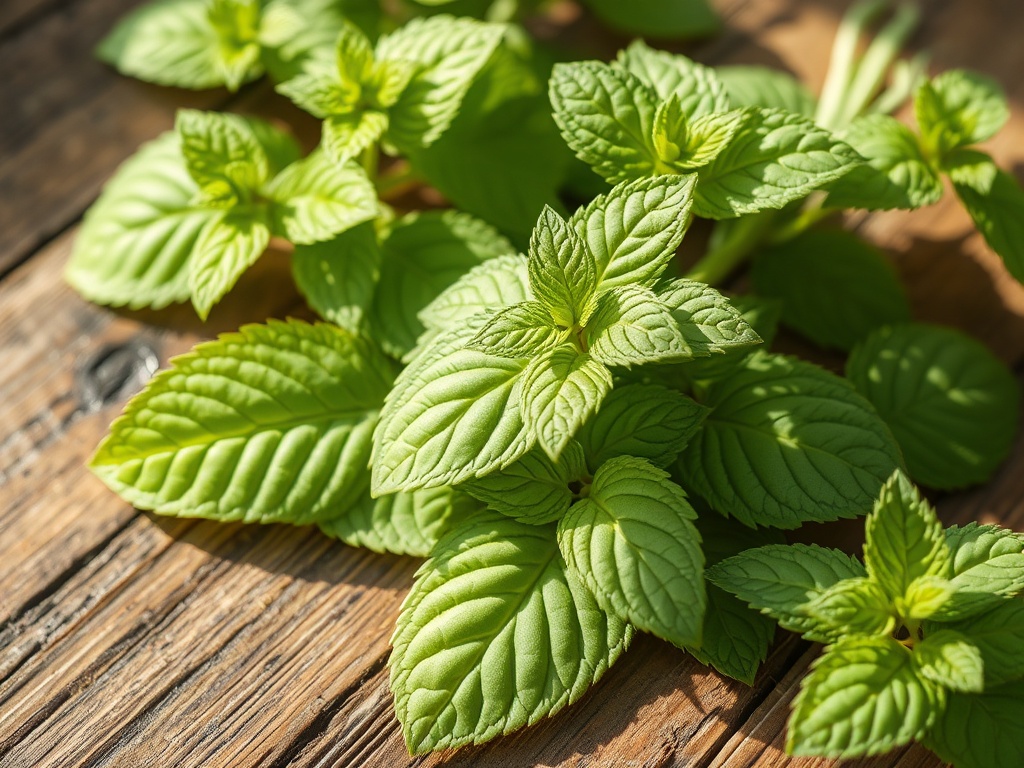
The Science: Lemon balm contains rosmarinic acid, which appears to inhibit GABA transaminase—meaning it helps maintain calming neurotransmitters in your system.
The Tradition: Used for centuries for “melancholy” and nervous tension, especially when digestion is also involved.
This is your entry-level nervine. It’s safe, effective, and doesn’t flatten your energy.
2. Skullcap (Scutellaria lateriflora) — The Frazzled Nerve Specialist
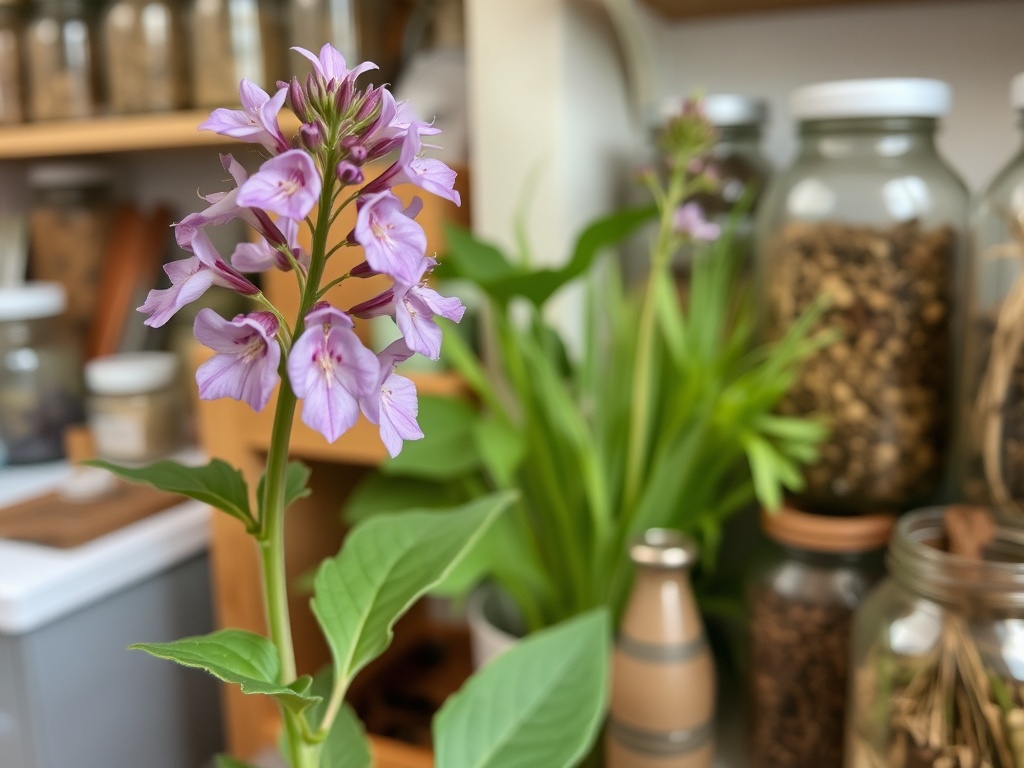
The Science: Flavonoids in skullcap appear to modulate GABA receptors directly—this is deeper nervous system work than lemon balm.
The Tradition: Historically used for what herbalists call “nervous exhaustion”—that wired-but-tired feeling.
If your brain feels like 47 tabs are open at once, this is your plant.
3. Oat Tops (Avena sativa) — The Long Game Restorative
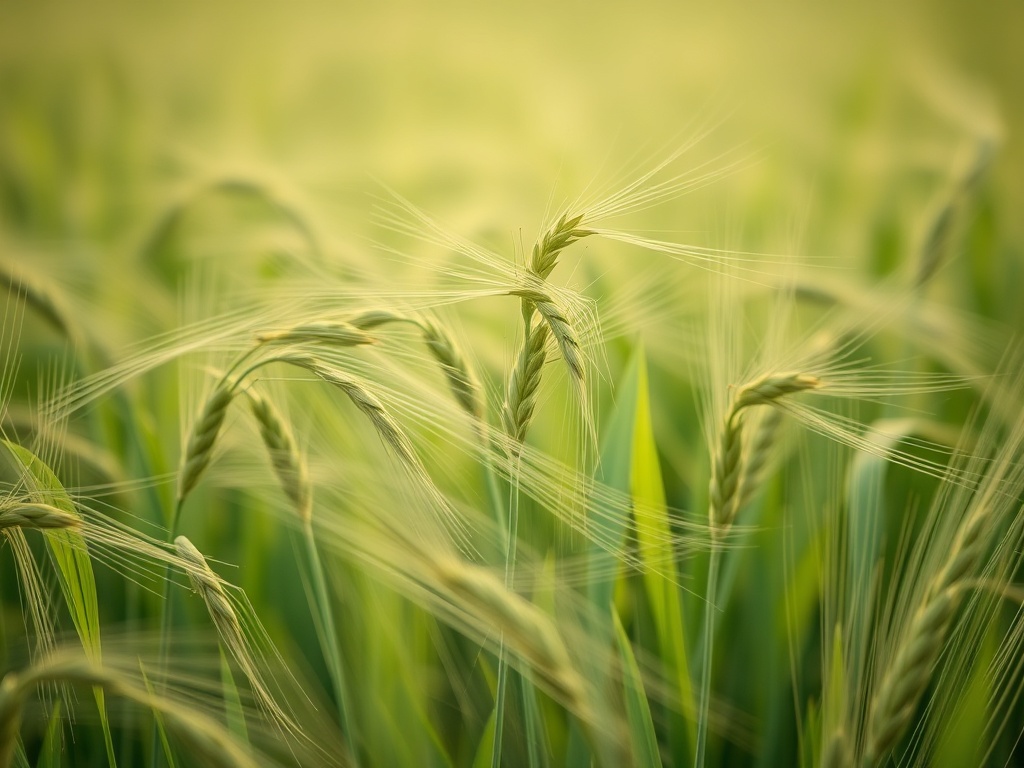
The Science: Rich in minerals and compounds that support nerve sheath integrity—this is nourishment, not sedation.
The Tradition: Used for burnout recovery and long-term depletion.
Think of oat tops as rebuilding your nervous system’s baseline resilience over time.
4. Passionflower (Passiflora incarnata) — The Thought Loop Breaker
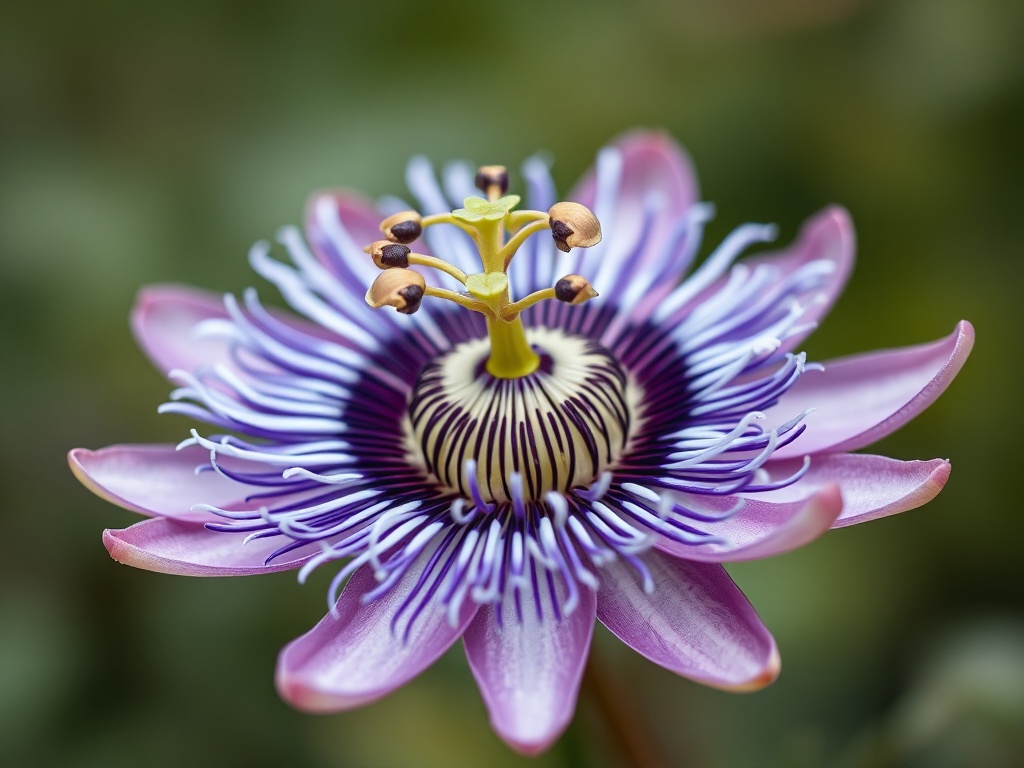
The Science: Alkaloids and flavonoids that influence GABA pathways—particularly helpful for cyclical anxious thinking.
The Tradition: Used for insomnia tied to mental overactivity.
This is for nights when your brain won’t stop narrating your life.
5. Lavender (Lavandula angustifolia) — The Sensory Nervine
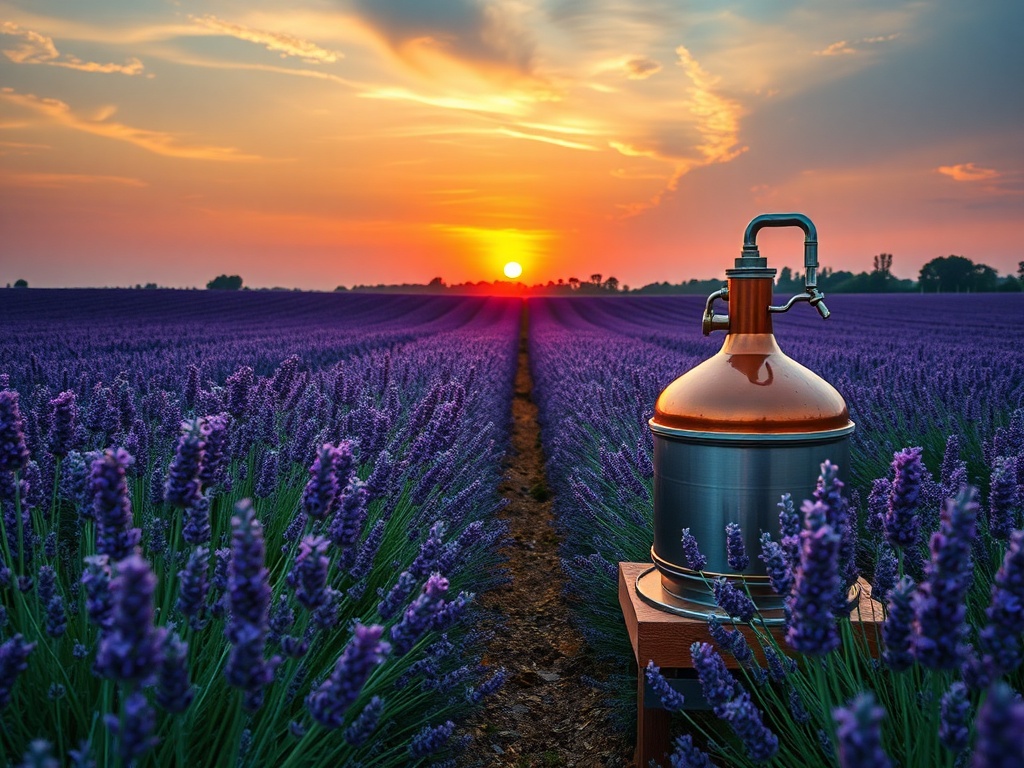
The Science: Linalool interacts with the limbic system—your emotional processing center.
The Tradition: Used both internally and aromatically for calming the mind.
Lavender works through scent and ingestion—rare and useful.
6. Holy Basil (Ocimum sanctum) — The Adaptogenic Bridge
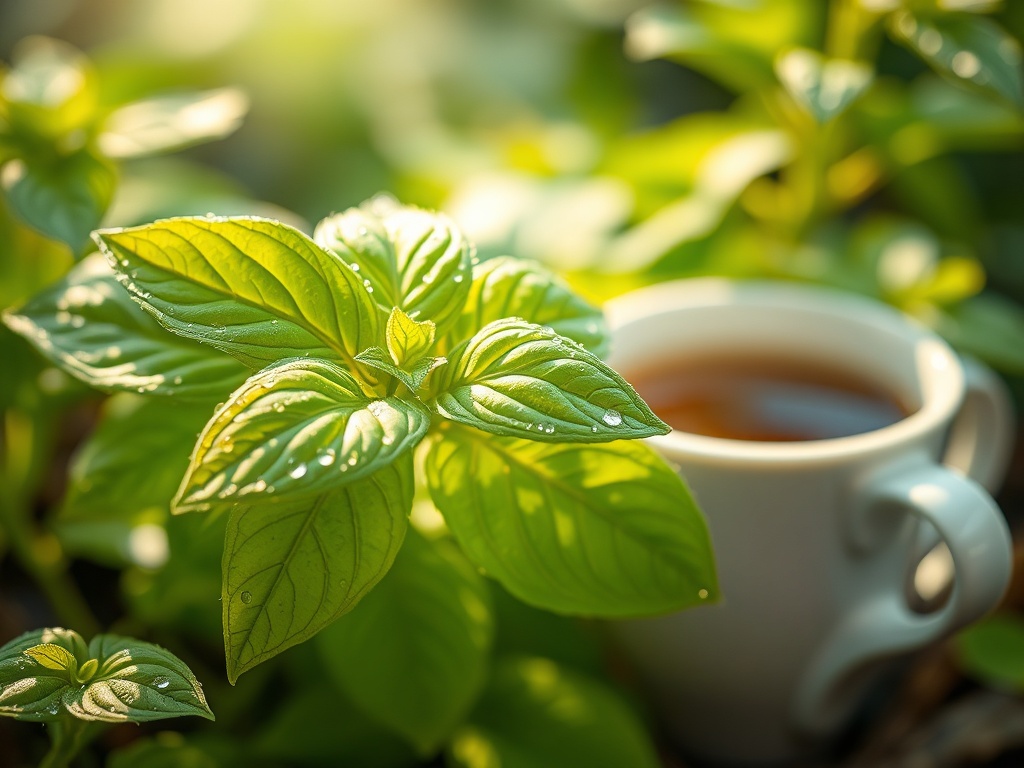
The Science: Acts on cortisol regulation pathways while also offering mild nervine effects.
The Tradition: Revered in Ayurvedic medicine for stress resilience.
This sits at the intersection of nervine and adaptogen—useful for chronic stress patterns.
7. Chamomile (Matricaria chamomilla) — The Digestive-Calming Classic
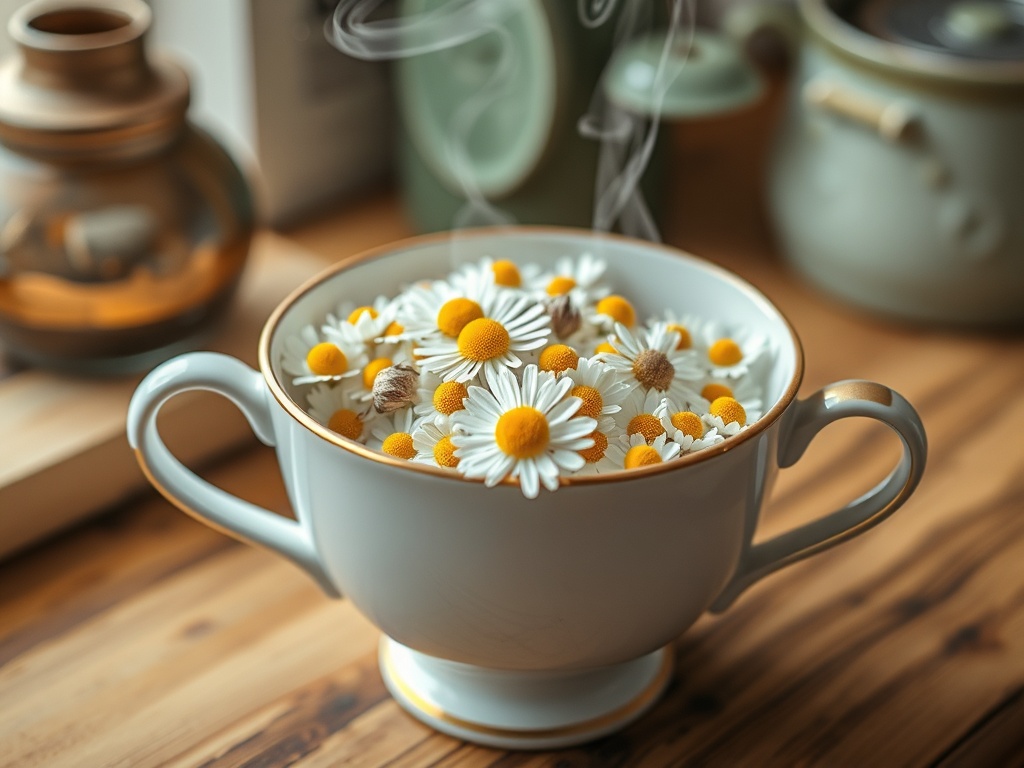
The Science: Apigenin binds to benzodiazepine receptors—yes, really, though far more gently.
The Tradition: Used for children, digestion, and mild anxiety.
Chamomile shines when your stress lives in your gut.
Safety & Contraindications
This is not optional reading.
- Lemon balm may interfere with thyroid medication.
- Skullcap should be sourced carefully—adulteration is a real issue.
- Passionflower can potentiate sedatives.
- Chamomile may trigger reactions in those with ragweed allergies.
- Holy basil may affect blood sugar levels.
If you are on medication, pregnant, or managing a chronic condition—talk to your GP first. Herbs are pharmacologically active. That’s the point.
How to Actually Use These (Without Overcomplicating It)
Start simple:
- Tea: 1–2 teaspoons dried herb per cup, steep 10–15 minutes.
- Tincture: 2–4 mL, 1–3x daily depending on the herb.
Pick one herb. Learn it. Observe how your body responds. Then build from there.
Herbalism isn’t about stacking ten things into a trendy blend—it’s about understanding the conversation between a single plant and your body.
Be well and be wise.