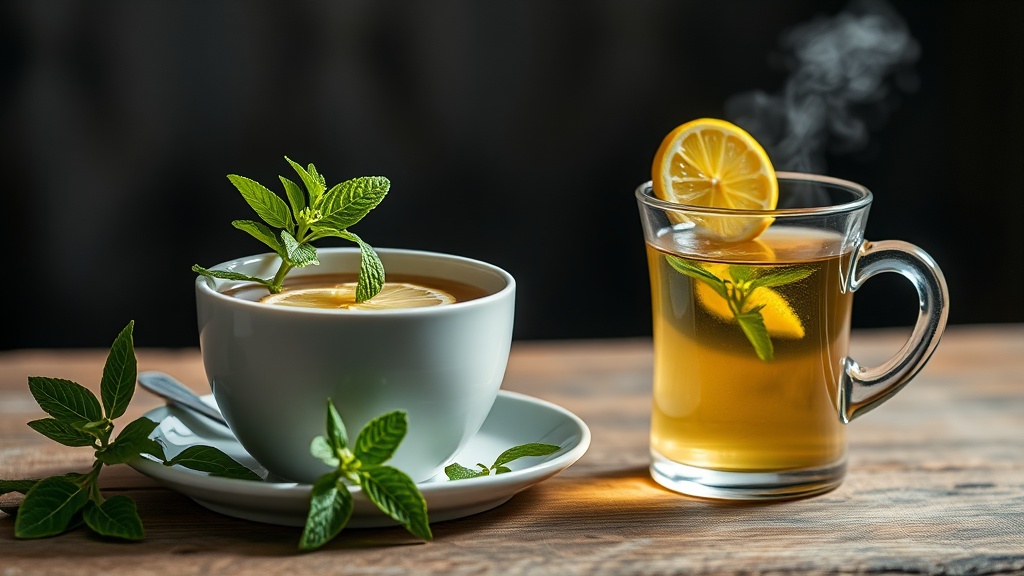
A Gentle Lift with Lemon Balm Tea

Quick Tip
Use lemon balm to gently lift your mood without the jitters of caffeine.
Imagine it's 3:00 PM on a Tuesday. The office air feels stale, your inbox is swelling, and that familiar, jittery tension is creeping up your neck. You don't need a third cup of coffee—which usually just leads to a crash—but you do need a mental reset. This is where lemon balm (*Melissa officinalis*) steps in to provide a gentle, non-drowsy lift.
What are the benefits of Lemon Balm tea?
Lemon balm tea helps soothe the nervous system and supports cognitive function without causing heavy sedation. It's a member of the mint family, known for its bright, citrusy scent and its ability to calm mild anxiety. While some people expect it to act like a heavy sedative, it's actually quite versatile. It can help with focus during a mid-day slump or assist with digestive discomfort caused by stress.
If you're interested in how different plants affect your mood, you might want to read about 7 nervine herbs that help your stress response. It's a great way to understand the nuance between herbs that sedate and herbs that simply stabilize.
How do you make Lemon Balm tea?
The best way to prepare lemon balm tea is to use hot (not boiling) water to preserve the delicate volatile oils. If you use water that's too hot, you might actually burn off some of that lovely citrus aroma. I usually recommend a steep time of about 5 to 10 minutes.
- The Leaves: Use 1-2 teaspoons of dried organic lemon balm leaves per cup.
- The Water: Heat water to roughly 190°F (90°C).
- The Steep: Cover your mug while it steeps to keep the medicinal oils from evaporating.
- The Finish: Strain and enjoy plain, or add a tiny bit of honey.
If you want to get more creative with your infusions, check out my guide on how to craft your own calming herbal tea blends. It's a fun way to experiment with different flavor profiles.
Is Lemon Balm safe to use?
Lemon balm is generally considered safe for most people when consumed in moderate amounts via tea. However, it's worth noting that some studies suggest it might interfere with thyroid hormone regulation if taken in very high doses over long periods. If you have a pre-existing thyroid condition, check with your healthcare provider first. You can find more technical data on the plant via the Wikipedia page for Melissa officinalis.
For a quick comparison of how it stacks up against other common herbal teas, see the table below:
| Tea Type | Primary Effect | Best Time to Drink |
|---|---|---|
| Lemon Balm | Calming & Cognitive Support | Mid-afternoon / Stressful work hours |
| Peppermint | Digestive Aid & Alertness | Post-meal / Morning |
| Chamomile | Deep Relaxation | Late evening / Before bed |
Sometimes, a simple cup of tea is the only tool you need to reclaim your afternoon. It isn't magic—it's just plant chemistry working in your favor.