Brain Health Longevity Tips from NFL Neurosurgeon for Women's Day

Brain Health Longevity Tips from NFL Neurosurgeon for Women's Day
Hook: What if the secret to a longer, sharper life came from a former NFL star turned neurosurgeon? On International Women’s Day, we’re unpacking brain‑health wisdom that can help women thrive well beyond the usual health resolutions.
Context: 2026 has seen a surge of high‑profile experts sharing longevity playbooks. One standout voice is former NFL player and pediatric neurosurgeon Dr. Myron Rolle, who recently revealed six science‑backed pillars for lasting brain health. His insights dovetail perfectly with the spirit of International Women’s Day—celebrating women’s achievements while empowering them with evidence‑based wellness tools.
What does an NFL neurosurgeon know about brain health and longevity?
Dr. Rolle’s unique journey—from the gridiron to the operating room—gives him a rare perspective on brain resilience. In a recent interview, he emphasized that brain health is the foundation of overall longevity. The brain regulates hormones, stress responses, and even metabolic pathways that influence aging. Fox News – 6 pillars of healthier lifestyle 2026 outlines his top recommendations, which include:
- Prioritize quality sleep — Aim for 7‑9 hours of deep, uninterrupted sleep to support neuro‑plasticity.
- Move the body, move the mind — Regular aerobic exercise boosts cerebral blood flow and neuro‑genesis.
- Protect the head — Even mild concussions can accelerate cognitive decline; wear helmets when needed and practice safe sports techniques.
- Fuel with brain‑friendly nutrients — Omega‑3 fatty acids, antioxidants, and specific herbs (more on that later).
- Cultivate social connection — Strong relationships lower cortisol and protect against dementia.
- Continuous learning — Challenging the brain with new skills keeps neural pathways robust.
These pillars echo research from the National Institutes of Health and align with our holistic approach at Herbal Healing.
How can women apply brain‑health strategies for longer, healthier lives?
Women face distinct neurological challenges, from hormonal fluctuations to higher rates of certain autoimmune conditions. Here’s how the six pillars translate into actionable steps for women:
- Sleep hygiene for hormonal balance — Use a dark‑room routine, limit screens an hour before bed, and consider magnesium‑rich herbal teas (e.g., lavender or passionflower) to ease the transition into sleep.
- Exercise that respects the menstrual cycle — Tailor intensity; high‑impact cardio during the follicular phase and restorative yoga during luteal weeks can optimize hormone‑brain synergy.
- Head‑injury prevention in everyday life — Even routine activities like biking or gardening benefit from protective gear; a simple bike helmet can reduce traumatic brain injury risk by up to 60%.
- Brain‑boosting nutrition — Incorporate herbal adaptogens such as ashwagandha (shown to reduce cortisol) and ginkgo biloba (supports cerebral blood flow). See our Adaptogen Showdown for a deep dive.
- Social rituals for mental resilience — Schedule weekly coffee chats, join women‑focused book clubs, or practice group meditation.
- Lifelong learning — Pick up a new language, learn a musical instrument, or explore herbal formulation workshops like our Herbal Immunity Boosters guide.
Which lifestyle habits does Dr. Rolle specifically recommend?
In the People.com interview, Dr. Rolle highlighted two habits that often get overlooked:
"The biggest longevity hack isn’t a supplement; it’s consistency." — Myron Rolle, 2026 People.com
- Micro‑improvements (the “2% Way”) — Small, incremental upgrades (e.g., adding a 5‑minute walk after dinner) compound over years.
- Digital detox — Limiting screen time, especially before bed, reduces blue‑light‑induced melatonin suppression and protects retinal neurons.
These habits dovetail with our recent Spring Digital Detox guide, which offers a practical week‑long plan.
What herbal allies support brain health for women?
Herbalism offers several botanicals with robust evidence for cognitive support:
- Rosemary — Contains rosmarinic acid, shown to improve memory retention in clinical trials.
- Sage — Anticholinergic properties can boost neurotransmitter activity.
- Turmeric (curcumin) — Crosses the blood‑brain barrier and reduces neuro‑inflammation.
- Ginkgo biloba — Enhances microcirculation, beneficial for age‑related memory decline.
When pairing herbs, consider synergy: a daily tea blending rosemary, sage, and a pinch of black pepper improves curcumin absorption. Always check for herb‑drug interactions, especially if you’re on prescription medications—our Herb‑Painkiller Overlap post provides a handy checklist.
How does this align with International Women’s Day values?
International Women’s Day celebrates empowerment, education, and equity. By sharing brain‑health science from a high‑profile male expert, we’re modeling collaborative wellness—where knowledge transcends gender and serves the greater good. Women can take these evidence‑based strategies, adapt them to their unique physiology, and share the benefits within their communities, echoing the day’s call for collective uplift.
Takeaway
- Sleep, movement, protection, nutrition, connection, and learning are the six pillars Dr. Rolle swears by.
- Translate each pillar into women‑specific actions—think herbal sleep teas, cycle‑aware workouts, and daily micro‑improvements.
- Use the herbal allies listed to give your brain an extra edge, but always verify safety with our interaction guides.
- Celebrate International Women’s Day by committing to one brain‑health habit this month and sharing the knowledge with a friend.
Ready to start? Pick one pillar today—perhaps a 10‑minute evening walk—and notice how your focus sharpens over the next week.
Related Reading
- International Women’s Day and Herbalism: 6 Women to Know — Spotlight on pioneering women in herbal science.
- Spring Digital Detox: A One‑Week Reset for Better Mental Health — Practical steps to reduce screen overload.
- Adaptogen Showdown: Ashwagandha vs Rhodiola vs Holy Basil for Stress Relief — Choose the right adaptogen for your brain.
- Herbal Immunity Boosters: Echinacea, Elderberry, Astragalus — Immune support that also protects neuro‑health.
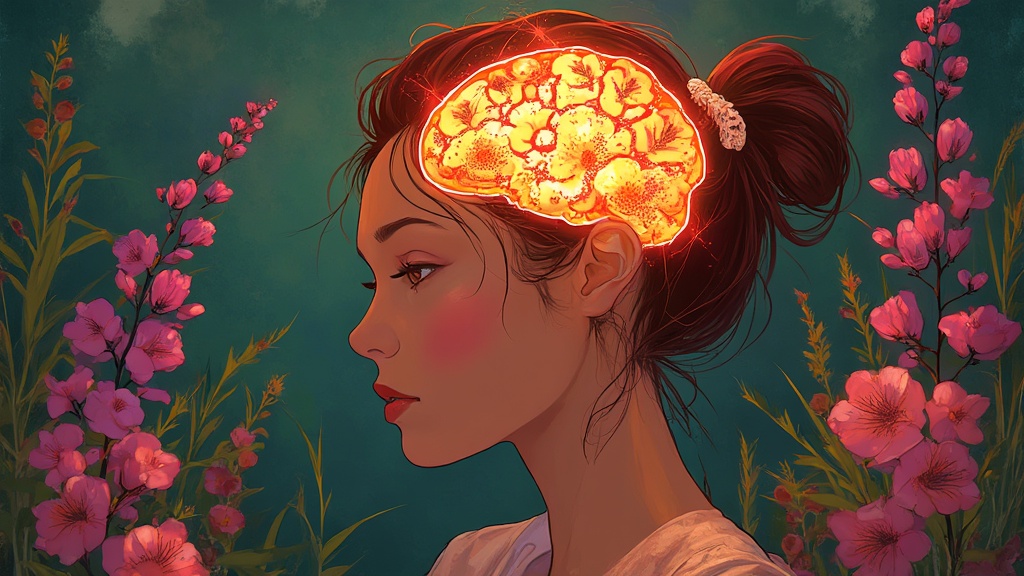
Image credit: AI‑generated illustration of a woman with a glowing brain, surrounded by herbal leaves and a subtle NFL helmet motif.