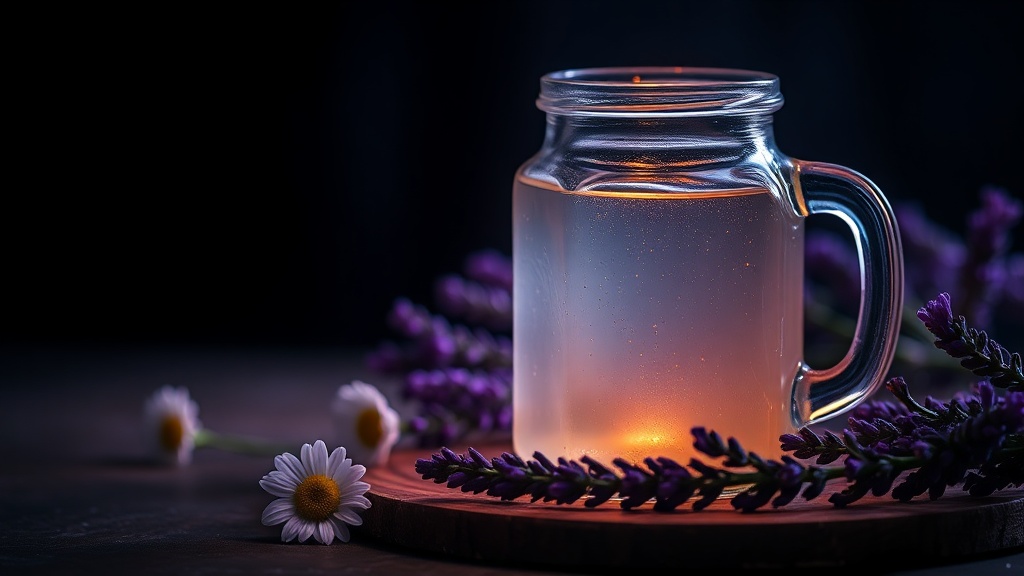
Brewing Your Own Calming Chamomile & Lavender Nighttime Elixir

The Myth of the "Instant Fix" Sedative
Many wellness influencers claim that a single cup of herbal tea can act as a biological "off switch" for a racing mind. This is a fundamental misunderstanding of how botanical constituents interact with the nervous system. Chamomile and lavender do not knock you unconscious like a pharmaceutical sedative; rather, they work through subtle modulation of neurotransmitters, specifically targeting the GABAergic pathways to reduce systemic tension. If you approach herbalism expecting a heavy-handed sedative, you will be disappointed. If you approach it as a tool for nervous system regulation, you will find it indispensable.
The goal of a nighttime elixir is not to force sleep, but to create a physiological environment where sleep becomes possible. This requires a combination of thermal regulation, aromatic stimulation, and the gentle introduction of apigenin—the flavonoid found in chamomile that binds to benzodiazepine receptors in the brain. By understanding the chemistry behind these plants, you can move away from "magical" thinking and toward a science-backed ritual that supports your natural circadian rhythms.
The Botanical Profiles: Why This Duo Works
Matricaria chamomilla (German Chamomile)
German Chamomile is prized in clinical herbalism for its high concentration of apigenin. This flavonoid is the primary driver behind its anxiolytic (anxiety-reducing) effects. Unlike the Roman Chamomile variety, which is often used more for digestive issues, German Chamomile is the gold standard for nervous system support. When you brew a high-quality dried flower, you are extracting these delicate polyphenols. It is essential to use whole flower heads rather than "dust" or low-grade tea bags, as the essential oils—specifically bisabolol—are often lost in mass-produced, crushed products.
Lavandula angustifolia (English Lavender)
It is vital to distinguish between Lavandula angustifolia (English Lavender) and Lavandula latifolia (Spike Lavender). While Spike Lavender is more camphoraceous and stimulating, English Lavender is the variety used in clinical studies for its calming properties. The primary active constituents in English Lavender are linalool and linalyl acetate. These compounds have been shown in various studies to decrease cortisol levels and promote parasympathetic dominance—the "rest and digest" state of the nervous system. In an elixir, lavender acts as a sensory anchor, signaling to the brain that the period of high alertness has concluded.
Selecting Your Ingredients: Quality Over Hype
To create a functional elixir rather than a mediocre tea, you must source ingredients based on chemical potency, not just aesthetic appeal. When shopping, avoid the generic "herbal blends" found in most grocery stores, as these often contain high percentages of fillers like lemongrass or peppermint which can actually be slightly stimulating to some individuals.
- Source Whole Flowers: Look for suppliers like Mountain Rose Herbs or Starwest Botanicals. These companies provide transparent sourcing and sell whole dried chamomile heads and culinary-grade lavender buds.
- Check for Volatile Oils: When you open your container, the scent should be immediate and potent. If the chamomile smells like dried hay rather than sweet apple, the essential oils have oxidized, and the therapeutic value is significantly diminished.
- Avoid "Fragrance" Grade: Never use lavender intended for sachets or potpourri in your elixir. These are often treated with synthetic oils to extend shelf life and are not safe for human consumption.
The Precision Brewing Method: A Step-by-Step Guide
The biggest mistake most people make is "over-steeping" or using water that is too hot. Excessive heat can scald the delicate volatile oils in lavender, resulting in a bitter, medicinal taste and a loss of the very compounds you are trying to ingest. Follow this specific protocol to ensure maximum bioavailability.
Required Equipment
- A high-quality glass or ceramic teapot (avoid plastic, which can leach chemicals into hot water).
- A fine-mesh stainless steel tea strainer.
- A digital thermometer (optional, but recommended for precision).
- A heavy ceramic mug that retains heat.
The Formula (Single Serving)
- 1 tablespoon dried German Chamomile flowers: This provides a sufficient dose of apigenin.
- 1 teaspoon dried English Lavender buds: A little goes a long way; too much can cause nausea or a "soapy" aftertaste.
- 8 to 10 ounces of filtered water: Using filtered water (such as from a Brita or Berkey system) ensures that chlorine and heavy metals do not interfere with the flavor or the botanical purity.
The Process
- Temperature Control: Bring your water to a boil, then remove it from the heat source. Let it sit for approximately 60 to 90 seconds. You are aiming for a temperature of roughly 190°F to 200°F (88°C to 93°C). This is hot enough to extract the flavonoids but gentle enough to preserve the linalool.
- The Infusion: Place the chamomile and lavender into your teapot or an infuser. Pour the water over the herbs.
- The Cover (Critical Step): Immediately cover the teapot or mug with a lid. This is not just to keep the tea warm; it is to prevent the steam—which carries the volatile essential oils—from escaping. If you don't cover the tea, you are literally breathing your medicine away.
- Steeping Duration: Set a timer for 7 to 10 minutes. A longer steep (up to 10 minutes) is necessary for dried botanicals to fully release their constituents, but do not exceed 15 minutes, or the tannins will make the tea unpleasantly astringent.
- The Strain: Remove the infuser or pour the liquid through a fine-mesh strainer into your mug.
Enhancing the Elixir: Functional Additions
While the herbs can be enjoyed plain, adding specific elements can further support your transition into sleep. However, avoid refined sugars, which cause glucose spikes and can disrupt sleep architecture.
Honey (The Traditional Method): A small amount of raw, local honey provides a trace amount of glucose that can actually assist in the transport of tryptophan across the blood-brain barrier. If you use honey, add it only once the tea has cooled slightly to avoid destroying its beneficial enzymes.
Magnesium (The Modern Addition): If you find your muscles are particularly tense, you can stir in a small amount of magnesium citrate powder (such as those from Thorne or Pure Encapsulations). Magnesium is a vital cofactor in many enzymatic reactions and helps regulate the neurotransmitter GABA, working synergistically with the chamomile.
Integrating the Elixir into a Circadian Rhythm
An elixir is only one part of a larger biological system. To truly optimize your sleep, you must align your consumption with your body's natural cycles. Drinking this elixir at 4:00 PM is less effective than drinking it 45 to 60 minutes before your intended sleep time. This allows the compounds to be processed by your digestive system and enter your bloodstream as you are winding down.
For those looking to deepen their understanding of how timing affects wellness, you may find it useful to explore bio-harmony eating and circadian rhythm alignment. Integrating your herbal ritual with light exposure management and consistent meal timing creates a much more robust foundation for rest than any single supplement alone.
Safety and Contraindications
Despite being natural, these plants are biologically active. Please observe the following precautions:
- Allergies: If you are allergic to the Asteraceae family (which includes ragweed, daisies, and marigolds), you should avoid chamomile, as it may trigger an allergic reaction.
- Pregnancy/Nursing: While culinary amounts are generally considered safe, always consult with a healthcare provider or a clinical herbalist before using medicinal doses of herbs during pregnancy or lactation.
- Drug Interactions: Because chamomile has mild sedative properties, use caution if you are currently taking pharmaceutical sedatives or benzodiazepines, as the effects may be additive.
By treating your nighttime elixir as a precise, scientific ritual rather than a casual beverage, you move closer to a state of true restorative rest. Use high-quality ingredients, respect the chemistry of the plants, and allow the process to become a cornerstone of your nightly hygiene.
Steps
- 1
Select High-Quality Dried Botanicals
- 2
Measure the Ratio of Chamomile to Lavender
- 3
Heat Water to the Perfect Steeping Temperature
- 4
Infuse and Steep for Optimal Potency
- 5
Strain and Enjoy Your Ritual