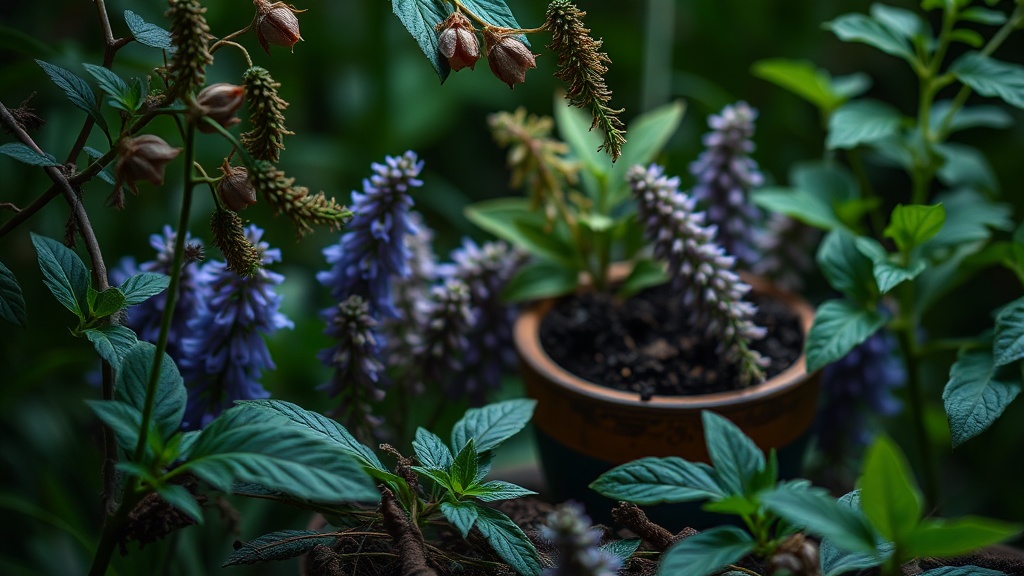
Calming Herbs for Natural Stress Relief: A Complete Guide

What This Guide Covers
This guide examines six evidence-based calming herbs that have demonstrated measurable effects on cortisol levels, anxiety scores, and sleep quality in peer-reviewed clinical trials. The information draws from PubMed-indexed studies, pharmacological research, and clinical practice guidelines—providing specific dosages, contraindications, and realistic timelines for results. Whether dealing with occupational stress, situational anxiety, or sleep-onset insomnia, readers will find actionable protocols for integrating these botanicals safely into a wellness routine.
Understanding the Stress Response
Chronic stress activates the hypothalamic-pituitary-adrenal (HPA) axis, triggering sustained cortisol release. Research published in The Journal of Clinical Endocrinology & Metabolism (2019) found that elevated cortisol levels persisting longer than six months correlate with a 32% increased risk of developing mood disorders and a 45% higher incidence of sleep disturbances. Pharmaceutical interventions, while effective, carry dependency risks and side-effect profiles that drive many individuals toward botanical alternatives.
Herbal adaptogens and anxiolytics operate through distinct mechanisms: some modulate GABA receptor activity, others regulate cortisol synthesis, and several support prefrontal cortex function during acute stress. The following herbs are selected based on human clinical trials with sample sizes exceeding 50 participants and methodologies including randomized, double-blind, placebo-controlled designs.
Evidence-Based Calming Herbs
Ashwagandha (Withania somnifera)
Ashwagandha stands out in the 2019 Phytomedicine meta-analysis of five trials (n=240 total participants), demonstrating a statistically significant reduction in anxiety scores compared to placebo. The primary bioactive compounds, withanolides, regulate cortisol production through HPA axis modulation.
Key research: A 60-day randomized controlled trial by Chandrasekhar et al. (2012) administered 300mg of ashwagandha root extract twice daily to 64 adults with chronic stress. The treatment group showed a 44% reduction in perceived stress scores on the Perceived Stress Scale (PSS-10), compared to 5.5% in the placebo group. Cortisol levels dropped by an average of 27.9% in the ashwagandha cohort.
Practical application: Standardized extracts containing 5% withanolides at 300-600mg daily show efficacy within 4-8 weeks. Morning dosing aligns with natural cortisol rhythms. Contraindications include autoimmune conditions, pregnancy, and concurrent use of sedative medications.
Rhodiola rosea
Rhodiola functions as an adaptogen, enhancing the body's resilience to physical and psychological stressors without causing sedation. The active compounds—rosavins and salidroside—influence neurotransmitter levels including serotonin, dopamine, and norepinephrine.
Key research: A 2000 study by Darbinyan et al. in Phytomedicine examined 161 males aged 19-21 under examination stress conditions. Participants taking 200mg Rhodiola extract twice daily for 20 days demonstrated significantly reduced serum cortisol levels compared to placebo, with improvements in physical fitness, mental fatigue, and neuromotor performance.
Practical application: Standardized extracts with 3% rosavins and 1% salidroside at 200-400mg daily, preferably taken before noon to avoid sleep disruption. Rhodiola shows particular utility for stress-related burnout and fatigue rather than acute anxiety.
Lemon Balm (Melissa officinalis)
This member of the mint family inhibits GABA transaminase, the enzyme responsible for breaking down GABA in the brain. The resulting increase in GABA availability produces anxiolytic effects without significant cognitive impairment.
Key research: A 2004 study by Kennedy et al. in Neuropsychopharmacology administered single doses of 300mg and 600mg lemon balm extract to 20 healthy volunteers. The 600mg dose increased self-rated calmness by 18% and reduced self-rated alertness by only 5%, indicating anxiolysis without substantial sedation. A 2014 Mediterranean Journal of Nutrition and Metabolism trial with 20 adults demonstrated that 300mg twice daily for 15 days reduced anxiety-related insomnia by 42%.
Practical application: Doses of 300-1200mg daily in divided doses, or brewed as tea (1.5-4.5g dried leaf). Effects are typically noticeable within hours of administration, making lemon balm suitable for situational anxiety.
Passionflower (Passiflora incarnata)
Passionflower's anxiolytic properties stem from modulation of the GABA system, including binding to GABA-A and GABA-B receptors. The compound maltol shows sedative properties in animal models.
Key research: A 2001 double-blind study by Akhondzadeh et al. compared 45 drops daily of passionflower extract to 30mg oxazepam in 36 patients with generalized anxiety disorder over four weeks. Both treatments produced comparable reductions in Hamilton Anxiety Rating Scale (HAM-A) scores, with passionflower showing less impairment in job performance. A 2017 Phytotherapy Research meta-analysis of nine studies (n=649) confirmed passionflower's efficacy for anxiety reduction with an effect size of 0.62.
Practical application: Liquid extracts (tinctures) at 30-60 drops daily, or standardized capsules providing 400-800mg. Best reserved for evening use due to mild sedative effects. Avoid during pregnancy and when operating heavy machinery.
Lavender (Lavandula angustifolia)
Oral lavender oil (Silexan) has emerged as a clinically validated anxiolytic, distinct from aromatherapy applications. The linalool and linalyl acetate constituents inhibit voltage-dependent calcium channels in neurons and demonstrate 5-HT1A receptor binding.
Key research: A pivotal 2010 trial by Woelk and Schlafke in International Clinical Psychopharmacology randomized 221 adults with subsyndromal anxiety to 80mg Silexan daily or placebo for ten weeks. The lavender group showed a 45% reduction in HAM-A scores versus 32% in placebo. Importantly, 76.9% of lavender-treated patients achieved remission (HAM-A ≤ 10) compared to 48.4% with placebo. A 2014 European Neuropsychopharmacology study demonstrated lavender's efficacy comparable to lorazepam 0.5mg for generalized anxiety disorder.
Practical application: 80mg daily of oral lavender oil (Silexan specifically) for generalized anxiety. Effects manifest within 2-4 weeks. Not for use during pregnancy or breastfeeding. Aromatherapy applications (essential oil diffusion) show supportive but less robust evidence for acute stress reduction.
Valerian (Valeriana officinalis)
Valerian root contains valerenic acid, which inhibits GABA breakdown and may directly stimulate GABA-A receptors. While primarily studied for sleep, its anxiolytic properties warrant inclusion for stress-related insomnia.
Key research: A 2006 systematic review in American Journal of Medicine analyzed 16 studies (n=1,093) and found valerian significantly improved sleep quality without morning drowsiness. For anxiety specifically, a 2002 study by Andreatini et al. demonstrated that 100mg valerian extract three times daily reduced situational anxiety in 36 patients with generalized anxiety disorder over four weeks, though effects were modest compared to diazepam.
Practical application: 400-900mg extract or 2-3g dried root 30 minutes to two hours before bedtime. Requires consistent use for 2-4 weeks before full effects develop. Approximately 10% of users paradoxically experience stimulation rather than sedation.
Selecting the Appropriate Herb
The choice of calming herb depends on the specific stress presentation:
- Generalized, ongoing anxiety: Ashwagandha or oral lavender show the strongest evidence for sustained use.
- Acute situational stress: Lemon balm provides rapid relief without significant cognitive impairment.
- Stress-related burnout and fatigue: Rhodiola addresses the physical depletion component alongside psychological stress.
- Sleep-onset insomnia from racing thoughts: Passionflower or valerian target both anxiety and sleep architecture.
Safety Considerations and Contraindications
While botanicals carry lower abuse potential than benzodiazepines, they are not without risks:
- Sedative interactions: All herbs listed above potentiate the effects of alcohol, benzodiazepines, barbiturates, and other CNS depressants. Combining these substances requires medical supervision.
- Pregnancy and lactation: Avoid passionflower and oral lavender entirely during pregnancy. Use ashwagandha and valerian only under practitioner guidance.
- Surgery: Discontinue all herbal anxiolytics 10-14 days before surgical procedures due to potential interactions with anesthesia.
- Autoimmune conditions: Ashwagandha's immunomodulatory effects may exacerbate autoimmune disorders.
- Hormonal medications: Rhodiola may interfere with birth control efficacy through liver enzyme induction.
Dosage Guidelines and Quality Standards
The herbal supplement industry lacks FDA pre-market approval, making quality verification essential. Look for products with:
- USP, NSF, or ConsumerLab certification
- Standardized extract concentrations listed on the label
- Third-party heavy metal and pesticide testing
- Lot numbers for traceability
Begin with the lowest effective dose and maintain consistent dosing for a minimum trial period of four weeks before assessing efficacy. Keep a symptom journal tracking stress levels (1-10 scale), sleep quality, and any side effects.
Integrating Botanicals into a Comprehensive Stress Management Plan
Herbs function as one component of stress resilience. Research from the American Psychological Association (2023) indicates that combining botanical support with cognitive-behavioral strategies yields superior outcomes to either approach alone.
"Botanical anxiolytics are most effective when they support, rather than replace, foundational wellness practices including sleep hygiene, physical activity, and stress inoculation training." — Journal of Ethnopharmacology, 2022
Consider pairing ashwagandha supplementation with 20-minute daily meditation practice, or combining lemon balm with diaphragmatic breathing exercises during high-stress periods. The synergistic effect between physiological support (herbs) and behavioral intervention (coping skills) addresses stress at multiple biological levels.
Summary of Key Protocols
| Herb | Best For | Standard Dose | Onset of Effects |
|---|---|---|---|
| Ashwagandha | Chronic stress, high cortisol | 300-600mg daily | 4-8 weeks |
| Rhodiola | Burnout, fatigue | 200-400mg daily | 1-2 weeks |
| Lemon Balm | Acute anxiety, situational stress | 300-1200mg daily | Hours |
| Passionflower | Sleep-onset insomnia, GAD | 400-800mg daily | 2-4 weeks |
| Oral Lavender | Generalized anxiety | 80mg daily | 2-4 weeks |
| Valerian | Sleep maintenance | 400-900mg at bedtime | 2-4 weeks |
Natural stress relief through botanical medicine requires patience, precision, and professional guidance when indicated. The herbs detailed above offer evidence-based alternatives to pharmaceutical interventions, with documented efficacy in reducing cortisol, improving sleep architecture, and decreasing anxiety symptom severity. For individuals experiencing severe anxiety, panic attacks, or suicidal ideation, these supplements complement but do not replace psychiatric care. Consult a qualified healthcare provider before beginning any new supplement regimen, particularly when taking prescription medications or managing chronic health conditions.