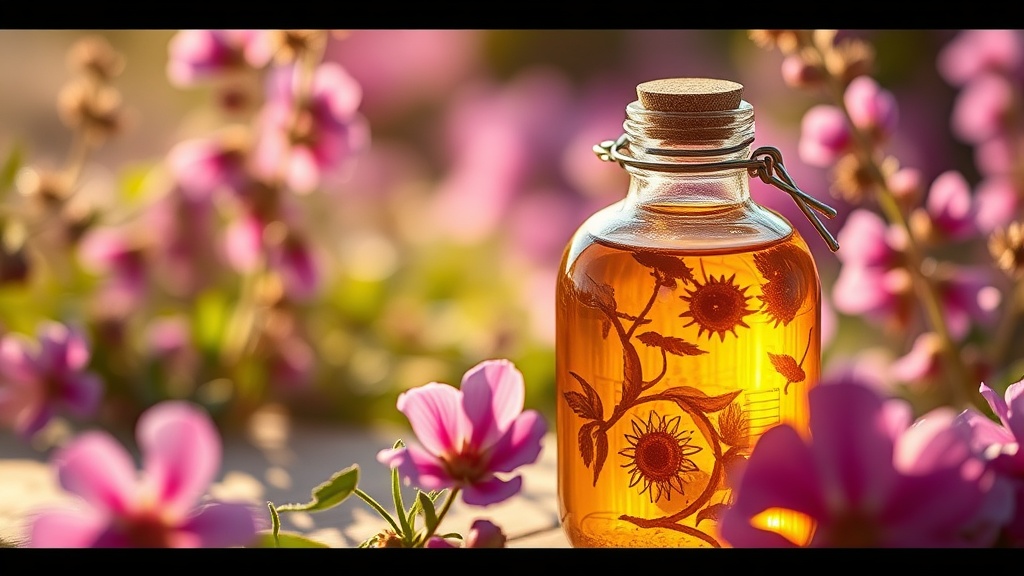
Crafting a Sun-Infused Herbal Infused Oil for Skin Nourishment

Have you ever wondered why a high-end botanical oil from a luxury apothecary feels so much more effective than the generic lotions found on drugstore shelves?
The difference often lies in the extraction method and the quality of the botanical constituents. While many wellness influencers claim that "sun-infused" oils are a mystical process involving lunar energy, the actual science is much more grounded: it is a method of slow, low-temperature maceration. By using the gentle, consistent heat of the sun, you are facilitating the movement of fat-soluble compounds—such as carotenoids, tocopherols, and essential oils—from the plant tissue into a carrier oil. This process is a fundamental technique in traditional herbalism, used to create highly bioavailable topical treatments for skin nourishment.
In this guide, we will move past the "magical" rhetoric and focus on the practical, chemistry-based approach to creating a professional-grade herbal infused oil. Whether you are looking to soothe dry winter skin with Calendula or create a stimulating massage oil with Rosemary, understanding the variables of temperature, moisture, and oil selection is key to a successful infusion.
The Science of the Carrier Oil: Choosing Your Base
The carrier oil is the vehicle for your botanical's active constituents. It is not just a filler; it is a solvent. When choosing a base, you must consider the fatty acid profile and the oxidative stability of the oil. A stable oil will have a longer shelf life and will not go rancid quickly when exposed to the heat and light required for infusion.
- Extra Virgin Olive Oil (EVOO): This is the gold standard for beginners. It is high in oleic acid and contains natural antioxidants like squalene, which helps stabilize the infusion. It is also highly penetrative, making it excellent for deep skin hydration.
- Sweet Almond Oil: A lighter, more emollient option. It is rich in Vitamin E and is frequently used in high-end dermatological products for its ability to soften the skin texture.
- Fractionated Coconut Oil (MCT Oil): If you want an oil that is highly stable and has a very long shelf life, MCT oil is an excellent choice. It is a saturated fat, meaning it is much less prone to oxidation than unsaturated oils like sunflower or grapeseed.
- Jojoba Oil: Technically a liquid wax rather than a triglyceride oil, jojoba closely mimics human sebum. This makes it an incredible base for facial oils, though it is more expensive for large-batch infusions.
For a standard sun-infusion, I recommend starting with a high-quality, organic Extra Virgin Olive Oil from a reputable source, such as those found in Mediterranean specialty markets. The higher the quality of the oil, the more nutrients it provides to the skin during the infusion process.
Selecting and Preparing Your Botanicals
The most common mistake in herbal oil making is ignoring the moisture content of the plant material. Water is the enemy of oil infusions. If you use fresh plants that contain high levels of moisture, you risk introducing bacteria or mold into your oil, which can lead to rapid spoilage and even skin irritation. For a successful sun infusion, always use dried herbs.
If you are harvesting your own herbs, such as Calendula officinalis (Calendula) or Lavandula angustifolia (Lavender), you must ensure they are completely desiccated. A good test is to crush a leaf between your fingers; it should crumble into dust, not bend or feel damp. If you are using fresh herbs, you can use the "wilting method" by letting them sit in a cool, dry place for several days until the moisture content has dropped significantly, but for the most reliable results, purchasing dried organic herbs from a trusted supplier is the safest route.
Recommended Botanicals for Skin Nourishment:
- Calendula: Excellent for soothing inflammation and supporting skin repair.
- Chamomile (Matricaria chamomilla): Highly effective for calming sensitive or irritated skin.
- St. John's Wort (Hypericum perforatum): Known for its ability to soothe nerve-related skin discomfort and minor bruises.
- Rosemary (Salvia rosmarinus): Provides antioxidant protection and can stimulate circulation when used in massage oils.
Equipment and Setup: The Professional Approach
To ensure a clean, professional result, you need more than just a glass jar. You need a controlled environment. Avoid using plastic containers, as the essential oils within the plants can leach chemicals from the plastic. Instead, use glass. Borosilicate glass (like Pyrex) is ideal because it is highly resistant to temperature fluctuations.
The Essential Toolkit:
- Glass Mason Jars: Wide-mouth jars are easiest for filling and straining.
- Cheesecloth or Muslin: A fine-mesh organic cotton cloth is necessary for straining out the plant material.
- A Glass Funnel: To prevent spills and contamination during the transfer process.
- Amber or Cobalt Glass Bottles: For final storage. Dark glass protects the finished oil from UV degradation.
- A Sunny Windowsill or a Glass Greenhouse: The location must be safe and out of reach of pets or children.
Step-by-Step: The Sun-Infusion Process
The goal is to maintain a steady, gentle warmth. We are not "cooking" the herbs; we are gently coaxing the nutrients out. This process typically takes between 4 to 6 weeks, depending on the intensity of the sunlight and the density of the herbs.
- Sanitize Everything: Before you begin, wash your jars and tools in hot, soapy water and rinse them thoroughly. Any residual moisture can cause your oil to go rancid.
- The Ratio: A standard ratio for a potent infusion is 1 part dried herb to 2 to 3 parts carrier oil by volume. For example, if you use 1 cup of dried Calendula petals, use 2 to 3 cups of Olive Oil.
- Packing the Jar: Place your dried herbs into the glass jar. Do not pack them too tightly; you want the oil to be able to circulate freely around every piece of plant matter. Pour the carrier oil over the herbs until they are completely submerged.
- The "Submergence Rule": This is the most critical step. Ensure there is at least an inch of oil above the herb line. If the herbs are exposed to air, they can oxidize and spoil.
- The Seal: Close the lid tightly. If you are using a metal lid with a rubber seal, ensure the seal is intact.
- The Solar Exposure: Place your jar in a spot that receives direct sunlight for at least 6 hours a day. A south-facing windowsill is often the best location. If you live in a cooler climate, you might place the jar inside a glass terrarium or a sunny greenhouse to maintain a consistent temperature.
- The Weekly Shake: Once a week, gently shake or tilt the jar to redistribute the herbs and ensure the oil is thoroughly penetrating the plant material.
Straining and Storage: Preserving the Potency
Once your infusion has reached its peak—usually after 4 to 6 weeks—it is time to separate the oil from the botanical matter. The oil should have a deep, vibrant color and a distinct herbal aroma.
Place your cheesecloth or muslin over a clean bowl and pour the contents of the jar through it. Use a spoon to press down on the herbs to extract every last drop of oil. This "pressing" stage is where the most potent essence remains. Once the herbs are squeezed dry, discard them (they can be composted).
Storage Best Practices:
Transfer your finished oil into amber or cobalt glass bottles. This is non-negotiable. Even though the infusion process used sunlight, the finished product is sensitive to light. Store your bottles in a cool, dark place, such as a pantry or a dedicated skincare cabinet. If you have made a large batch, you can store the oil in the refrigerator to extend its shelf life, though this may cause the oil to become slightly cloudy.
A well-made herbal oil should remain shelf-stable for 12 to 18 months, provided it is kept away from heat, light, and moisture. If you notice a sour or "off" smell, the oil has oxidized, and it should be discarded immediately.
Practical Applications for Your Infused Oil
Now that you have a potent, nutrient-dense botanical oil, how do you use it? The possibilities are extensive, but for skin nourishment, I recommend a few specific methods:
- Post-Shower Body Oil: Apply the oil to damp skin immediately after bathing. This helps lock in moisture and allows the oil to penetrate more deeply into the epidermis.
- Facial Serum Base: If you used a light oil like Jojoba, you can use a few drops as a facial oil. For more intense hydration, mix it with a bit of aloe vera gel.
- Soothing Compress: For irritated or dry patches of skin, soak a clean cotton cloth in the infused oil and apply it to the area for 10 minutes.
By understanding the chemistry of the infusion and respecting the biological needs of your skin, you move from being a consumer of "wellness products" to a creator of functional, high-quality botanical medicine. This is the essence of practical herbalism: using the tools of nature with a scientific, disciplined approach.
Steps
- 1
Select and Dry Your Botanicals
- 2
Prepare Your Glass Vessels
- 3
Layer Herbs and Carrier Oil
- 4
The Solar Infusion Process
- 5
Straining and Storage