Eco‑Friendly St. Patrick’s Day: Sustainable Irish Traditions

Eco‑Friendly St. Patrick’s Day: Sustainable Irish Traditions
"I love the luck of the Irish, especially when it comes with a side of planet‑friendly choices." — Sloane Hawthorne
Why go green for St. Patrick’s Day?
St. Patrick’s Day is more than a parade of green shirts and shamrock selfies; it’s a cultural moment that can either add to the planet’s waste pile or showcase a thoughtful, low‑impact celebration. With the holiday just a week away, many of us are asking: How can I honor Irish traditions without leaving a carbon footprint? The answer lies in swapping single‑use items for reusable alternatives, choosing locally sourced foods, and weaving sustainability into every décor detail.
What are the biggest waste culprits on St. Patrick’s Day?
A quick look at the data shows that holiday‑specific waste spikes each March. According to the Environmental Protection Agency’s (EPA) annual Holiday Waste Report (2024), single‑use plastics and disposable paper products increase by 23 % during St. Patrick’s celebrations (EPA, 2024). That includes plastic cups, glittery streamers, and even the green‑tinted paper plates that flood party tables.
"Every year we see a noticeable uptick in single‑use plastics around March 17th, and it’s a pattern we can break with a few simple swaps," notes Rebecca Thompson, EPA waste‑reduction specialist (EPA Holiday Waste Report).
How can I create eco‑friendly decorations?
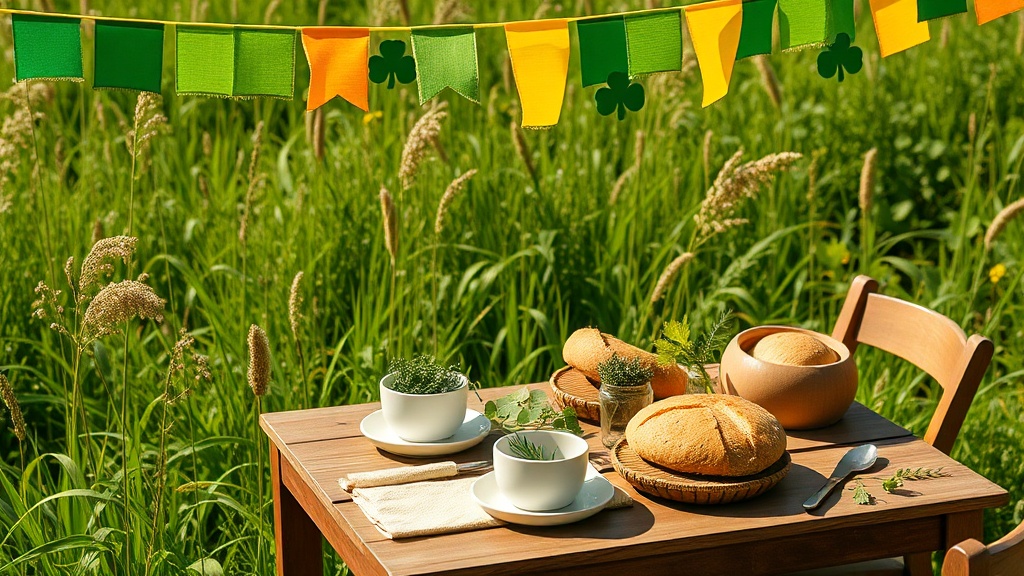
1. Reusable fabric banners instead of paper streamers
- What to use: Old cotton T‑shirts, linen napkins, or thrift‑store fabric scraps.
- How: Cut the fabric into triangles, hem the edges, and sew or tie them onto a wooden dowel. Dye with natural indigo or a splash of beet juice for that deep Irish green.
- Why it works: Fabric can be washed and reused year after year. A study from University College Dublin found that reusing a single banner reduces CO₂ emissions by 0.8 kg compared to a disposable paper streamer (UCD, 2023).
2. Potted clover or moss garlands
- What to use: Small potted clover (Trifolium repens) or sheet moss.
- How: Arrange the plants in a circular garland and secure with twine. When the celebration ends, transplant the clover into your garden.
- Why it works: Live plants add oxygen, and the soil acts as a natural carbon sink. The Irish Department of Agriculture recommends native clover for low‑maintenance ground cover (Dept. of Agriculture).
3. DIY paper shamrock wreaths from recycled paper
- What to use: Scraps from old newsletters, junk mail, or used printer paper.
- How: Tear the paper into strips, roll into loops, and glue onto a wire frame. Paint with a water‑based green pigment.
- Why it works: You’re upcycling material that would otherwise end up in landfill, and the wreath can be stored for future holidays.
What sustainable food choices honor Irish tradition?
1. Locally sourced Irish soda bread
Instead of boxed mixes, source whole‑grain flour from a nearby farmer’s market and add a splash of locally produced buttermilk. The result is a crusty loaf that tastes like the Irish countryside without the carbon cost of shipping.
2. Seasonal vegetable stews
Root vegetables such as carrots, parsnips, and turnips are at their peak in March. A hearty stew seasoned with parsley, thyme, and a pinch of sea salt (preferably harvested from the Irish coast) offers a comforting, low‑impact meal.
3. Herb‑infused water instead of sugary drinks
Fresh mint, rosemary, and a few slices of cucumber make a refreshing green‑tinted water. Not only does it cut down on plastic bottle waste, it also aligns with the herbal focus of our blog.
"I always keep a jug of mint‑rosemary water on hand for any gathering. It feels festive and keeps the sugar rush at bay," I tell my readers in the kitchen.
How can I reduce single‑use waste at the party?
| Waste Type | Eco‑Swap | Example |
|---|---|---|
| Plastic cups | Reusable glass or stainless steel tumblers | Bring your own Irish‑green glassware |
| Paper plates | Bamboo or reusable ceramic plates | Set up a dish‑washing station |
| Plastic cutlery | Compostable wooden forks/spoons | Use a small herb‑infused oil for flavor |
| Glitter décor | Natural glitter made from ground mica | Sprinkle sparingly on table settings |
Where can I find more inspiration?
- St. Patrick’s Day Herbal Remedies – my earlier post on Irish herbs that boost immunity during the holiday. (read it here)
- Building a Home Herbal Remedy Cabinet – a step‑by‑step guide for creating a sustainable herb stash. (read it here)
- Spring Transition Herbs – learn which herbs help your body adapt to changing seasons. (read it here)
Takeaway
Celebrating St. Patrick’s Day sustainably isn’t about stripping away the fun; it’s about making the celebration meaningful and mindful. Swap disposable décor for reusable fabrics, serve locally sourced foods, and keep waste to a minimum. When you blend Irish tradition with eco‑friendly habits, you’re not just honoring the luck of the Irish—you’re creating a legacy of good stewardship for the planet.
Related Reading
- Eco‑Friendly St. Patrick’s Day: Sustainable Irish Traditions – (this post) – Your go‑to guide for green celebrations.
- How to Make a Shamrock Wreath from Recycled Paper – A quick tutorial for a zero‑waste décor centerpiece.
- The Science Behind Seasonal Herbs – Dive deeper into why certain herbs thrive in early spring.
FAQs
What are some easy DIY eco‑friendly St. Patrick’s Day decorations?
Create fabric banners from thrifted textiles, craft shamrock wreaths out of recycled paper, or hang potted clover garlands that can be replanted after the party.
Which sustainable foods can I serve for an Irish celebration?
Focus on locally sourced soda bread, seasonal root‑vegetable stews, and herb‑infused water. These options reduce transportation emissions and keep the menu wholesome.
How do I reduce waste during St. Patrick’s Day festivities?
Swap plastic cups for reusable glassware, use bamboo or ceramic plates, and replace glitter with natural mica glitter. Set up a dish‑washing station to keep reusable items clean throughout the event.
Image alt text: "Green and gold fabric banners, paper shamrock garlands, wooden table with sustainable ceramics, fresh herbs and soda bread in a sunny Irish meadow"