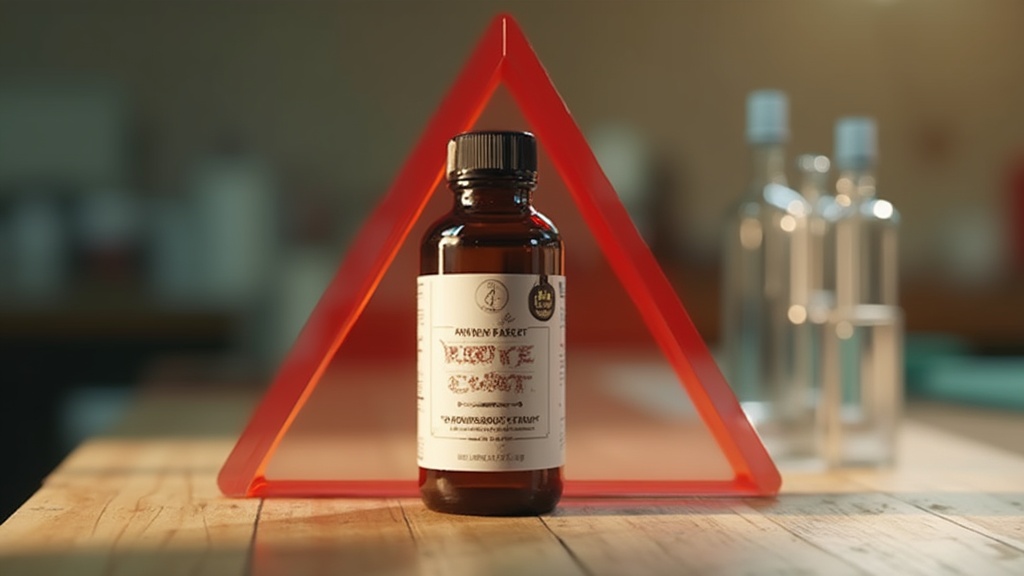
FDA Warns: Yellow Oleander Found in Tejocote Root Supplements

Did you know a popular heart‑support herb might be laced with a deadly plant? The FDA just flagged several Tejocote root supplements for containing yellow oleander, and the fallout could affect anyone buying “natural” heart health boosters.
What is Tejocote root and why is it popular?
Tejocote (Crataegus mexicana) is a Mexican hawthorn whose berries have been used traditionally for cardiovascular support. In the U.S., it’s marketed as a “heart‑healthy” supplement, often in capsule or powder form. Its appeal lies in the promise of natural blood‑pressure regulation without prescription meds.
What did the FDA find?
In a March 2026 alert, the FDA reported that several batches of Tejocote root products were adulterated with yellow oleander (Thevetia peruviana) – a highly toxic plant containing cardiac glycosides that can cause severe arrhythmias, vomiting, and even death. The contamination appears to be a case of misidentification or cross‑contamination during raw‑material sourcing.
Why is yellow oleander dangerous?
- It contains potent cardiac glycosides (thevetin, thevetoxin) that mimic digoxin.
- Ingesting as little as 0.5 g of seed material can be lethal for adults.
- Symptoms include nausea, bradycardia, and potentially fatal heart block.
How can you protect yourself?
- Check the FDA’s warning list. The agency posts specific brand names and batch numbers on its Alerts & Advisories page.
- Buy from reputable sources. Look for companies that provide third‑party lab certificates (e.g., USP or NIST testing).
- Verify the botanical identity. A genuine Tejocote product should list Crataegus mexicana with a botanical name, plant part (fruit or bark), and an extraction method.
- Watch for red warning triangles on packaging. The FDA’s alert includes a visual cue—any product missing it may be unsafe.
- Consult a qualified herbalist. If you’re unsure, ask a professional who can cross‑check the supplement’s source.
What safer alternatives can support heart health?
If you’re looking for natural cardiovascular support, consider these well‑studied herbs that have clear safety profiles:
- Hawthorn (Crataegus monogyna) – the classic heart‑support herb with peer‑reviewed studies.
- Garlic (Allium sativum) – robust evidence for blood‑pressure reduction.
- Coenzyme Q10 – a non‑herbal but well‑tolerated supplement for cardiac energy.
What’s the key takeaway for staying safe?
Herbal supplements can be a valuable part of a wellness routine, but the market is still rife with mislabeling. The FDA’s warning about Tejocote root underscores the need for rigorous sourcing and transparent testing. Before you pop the next capsule, double‑check the brand, look for third‑party verification, and consider safer, research‑backed alternatives.
Related Reading
- The Bioavailability Myth — Why expensive extracts aren’t always better.
- Sea Moss Gummies Safety — How hidden iodine can pose risks.
- Herbal First‑Aid for Minor Burns — Safe plant‑based remedies for everyday injuries.