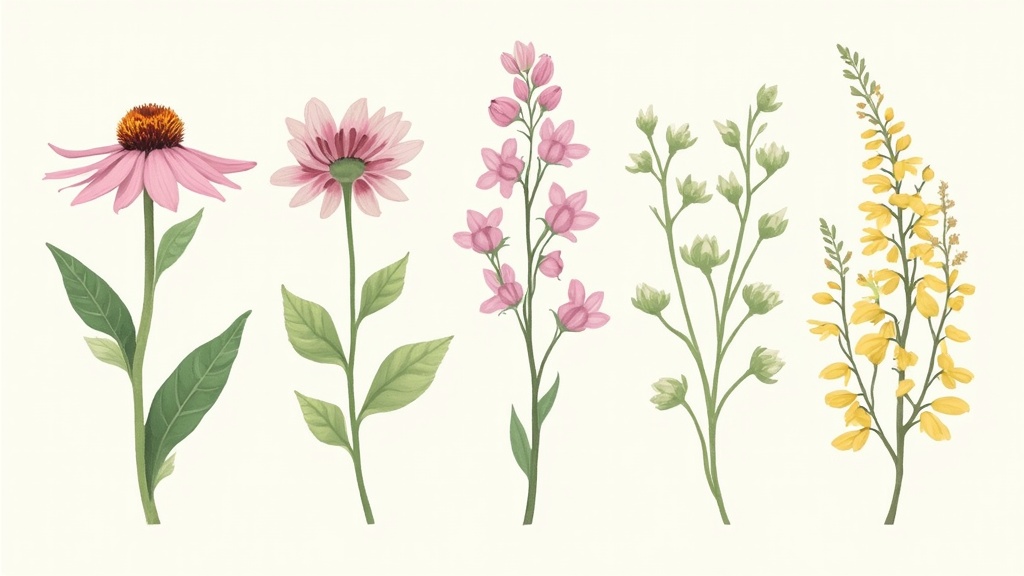
Herbal Immunity Boosters: Echinacea, Elderberry, Astragalus

Looking for a natural edge this flu season? You’ve probably seen endless Instagram reels touting “herbal immunity boosters” – but which herbs actually have science on their side? Let’s cut through the hype and see what the research really says about three popular candidates: echinacea, elderberry, and astragalus.
Staying resilient isn’t just about avoiding germs; it’s about supporting the body’s innate defenses without compromising safety. Below, I break down the evidence, flag the pitfalls, and give you a practical, low‑risk daily routine.
Which herbs actually boost immunity according to science?
When I first dug into the literature as a research librarian, I found a mixed bag: some studies show modest benefits, others find no effect. The key is to look at rigorously designed trials and understand the mechanisms each herb offers.
What does the research say about echinacea?
Echinacea (Echinacea purpurea) is perhaps the most studied immune herb. A 2023 Cochrane review of 24 randomized controlled trials found that echinacea may reduce the odds of catching a cold by about 10‑15% when taken at the first sign of symptoms. The proposed mechanism is enhanced activity of macrophages and natural killer cells.
However, the effect size is modest, and benefits disappear if you start the supplement after the virus is well‑established. Also, the herb can interact with CYP450 enzymes, meaning certain OTC painkillers may require dose adjustments.
Is elderberry effective against viral infections?
Elderberry (Sambucus nigra) gained popularity during the COVID‑19 pandemic. A 2021 meta‑analysis in Frontiers in Nutrition reported that elderberry syrup reduced the duration of influenza‑like illness by an average of 2.5 days (source). The anthocyanins appear to inhibit viral entry and modulate cytokine production.
Safety‑wise, elderberry is generally well tolerated, but high‑dose extracts can cause gastrointestinal upset and may interact with immunosuppressants. Pregnant or nursing individuals should consult a clinician before use.
Can astragalus help support your immune system?
Astragalus (Astragalus membranaceus) is a staple in Traditional Chinese Medicine for “Qi” support. A 2022 randomized trial in Phytotherapy Research found that daily astragalus supplementation increased circulating levels of immunoglobulin G (IgG) in healthy adults (source). The herb is thought to stimulate interferon production, a key antiviral protein.
One caution: astragalus can potentiate the effects of anticoagulant drugs like warfarin, so anyone on blood thinners should monitor INR closely.
How to safely combine these herbs in a daily routine
Here’s a no‑nonsense, evidence‑based protocol that respects both efficacy and safety:
- Echinacea tincture (30 ml) at the first sign of a sore throat or sniffles, up to 7 days max.
- Elderberry syrup (1‑2 tablespoons) once daily during peak cold/flu season (October‑March).
- Astragalus capsule (500 mg) taken with breakfast on non‑illness days to maintain baseline immune tone.
Store your herbs in a cool, dry place — see my no‑BS guide to a home remedy cabinet for shelf‑life tips.
Remember, herbs are adjuncts, not replacements for vaccination, hand‑washing, or adequate sleep. If you’re already managing stress with a “cortisol cocktail,” be mindful of added sugar — read why the sweetener matters.
Takeaway
All three herbs have modest, research‑backed immune benefits when used correctly. Echinacea is best as an early‑stage cold remedy, elderberry shines for reducing illness duration, and astragalus offers a gentle, daily immune tonic. Pair them with solid lifestyle basics — sleep, nutrition, and vaccination — and you’ll have a well‑rounded, science‑first approach to staying healthy.