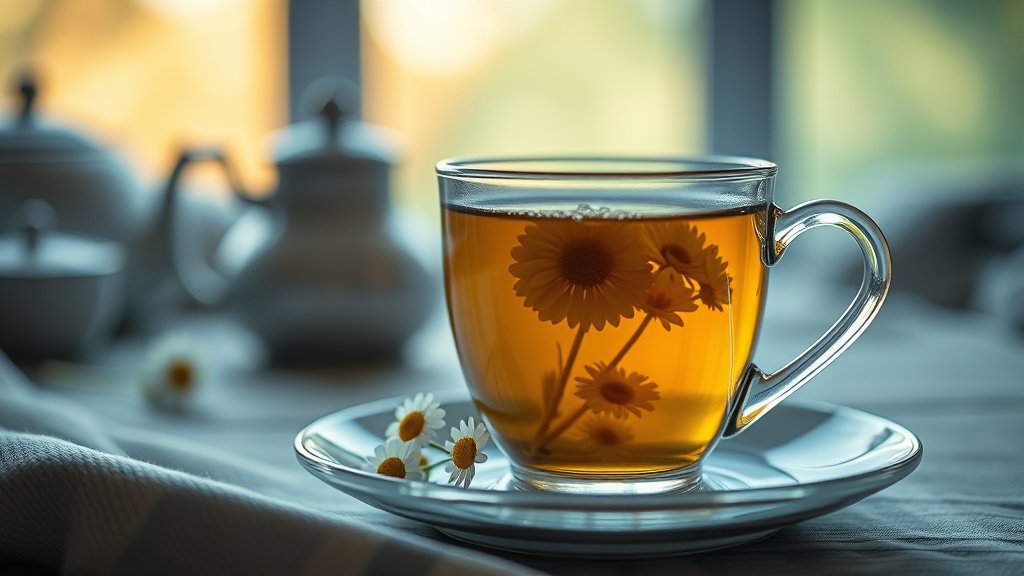
How to Brew the Perfect Cup of Chamomile Tea for Better Sleep

The Science Behind Chamomile's Sleep-Promoting Power
Before we get into water temperatures and steeping times, let's talk about why chamomile deserves a place in your evening routine. German chamomile (Matricaria recutita) contains a flavonoid called apigenin, which binds to benzodiazepine receptors in your brain. In plain English: it produces a mild sedative effect without the morning grogginess of pharmaceutical sleep aids.
Clinical studies support this traditional use. A 2016 study in Phytomedicine found that chamomile extract significantly improved sleep quality in postpartum women. Another study in the Journal of Advanced Nursing showed that chamomile tea consumption reduced sleep latency—the time it takes to fall asleep—in elderly patients.
Here's the caveat that separates evidence-based herbalism from wellness hype: chamomile is not a sleeping pill. It won't knock you out, and it won't override caffeine or anxiety. What it does is gently nudge your nervous system toward parasympathetic dominance—what herbalists call the "rest and digest" state.
Choosing Your Chamomile: Quality Matters
The tea aisle offers three main options: loose dried flowers, tea bags, and fresh flowers. Each has its place, but understanding the differences ensures you get the apigenin content you're after.
Loose Dried Flowers
This is your gold standard. Whole or partially crushed chamomile flowers retain their volatile oils better than finely cut material. Look for:
- Color: Vibrant yellow-white centers with pale yellow petals. Brown or gray flowers indicate age or poor storage.
- Aroma: Strong, sweet, apple-like fragrance. Weak scent means diminished active compounds.
- Source: Egyptian and German-grown chamomile consistently test higher in essential oil content.
Tea Bags
Convenient but variable. Many commercial brands use "fannings"—the dusty fragments left after processing. These extract quickly but often lack the full spectrum of compounds found in whole flowers. If using tea bags, choose brands that specify "whole flower" or "flower heads" and avoid anything with "chamomile flavoring" added.
Fresh Flowers
If you grow German chamomile (distinct from the non-medicinal Roman chamomile often used as ground cover), fresh flowers make exceptional tea. Harvest in the morning after dew evaporates but before the midday sun degrades the volatile oils. Use double the amount you'd use for dried flowers.
Equipment You'll Need
You don't need specialized tools, but the right equipment improves extraction and temperature control:
- Tea kettle or pot with temperature control: Boiling water (212°F/100°C) scalds chamomile, destroying apigenin and creating bitterness.
- Glass or ceramic teapot: Metal can react with chamomile's acids and alter flavor.
- Infuser basket or tea ball: Large enough for flowers to expand fully. Crowding reduces extraction.
- Digital scale: Eyeballing measurements leads to inconsistent results. Tea spoons vary wildly in volume.
- Timer: Over-steeping extracts tannins and sesquiterpene lactones that taste bitter.
The Step-by-Step Brewing Method
This method yields a cup with optimal apigenin extraction while preserving the delicate flavor compounds that make chamomile tea genuinely enjoyable—not just tolerable.
Step 1: Water Temperature
Heat water to 200-205°F (93-96°C). If you lack a variable-temperature kettle, bring water to a boil, then let it sit uncovered for 2-3 minutes. This cooling period is non-negotiable. Chamomile's volatile oils vaporize above 205°F, taking the therapeutic benefit with them.
Step 2: Measurement
Use 2-3 grams of dried flowers per 8 ounces (240ml) of water. For whole flowers, this equals roughly 1-1.5 tablespoons. If using tea bags, one bag typically contains 1.5-2 grams—use one bag per cup, or two if the bags seem understuffed.
Step 3: Pre-warming
Rinse your teapot or mug with hot water, then discard. Cold ceramic drops your brewing temperature below the extraction threshold. This step adds 30 seconds but significantly improves results.
Step 4: The Initial Pour
Place flowers in your infuser and set it in the vessel. Pour the heated water around the flowers, not directly onto them. Direct pouring can "shock" the plant material, causing surface compounds to extract too quickly while inner compounds remain locked.
Step 5: Cover and Steep
Cover your vessel immediately. Volatile oils escape with steam—an uncovered pot loses potency. Steep for 5-7 minutes. Start testing at 5 minutes; you're looking for a golden-straw color and distinct apple-honey aroma. Beyond 8 minutes, bitterness compounds begin dominating.
Step 6: Strain and Serve
Remove the infuser completely. Do not squeeze the flowers—this releases chlorophyll and tannins that add harshness. If you prefer stronger tea, use more flowers next time rather than extending steeping time.
Timing and Dosage for Sleep Support
Timing matters as much as preparation. Drink your chamomile tea 30-45 minutes before intended sleep. This allows apigenin absorption and GABA receptor modulation to begin.
For dosage:
- Mild sleep difficulty: One 8-ounce cup
- Moderate difficulty: Two cups, consumed 30 minutes apart
- Acute stress with sleep disruption: Three cups throughout the evening, with the final cup right before bed
Chamomile has a cumulative effect. Studies showing significant sleep improvement typically used daily consumption over 2-4 weeks. Think of it as training your nervous system, not flipping a switch.
Common Brewing Mistakes to Avoid
In my clinical practice, I see the same errors repeatedly:
- Water too hot: Boiling water destroys the very compounds you're after and creates a harsh, unpleasant brew.
- Under-measuring: One scant teaspoon in a large mug yields colored water, not therapeutic tea.
- Re-steeping: Unlike green or oolong tea, chamomile releases most of its active compounds in the first steep. Second infusions are essentially placebos.
- Adding lemon: Acidic additions destabilize apigenin. If you need flavor enhancement, use honey (which has its own mild sedative properties) or a small amount of lavender.
- Drinking too late: Chamomile is a mild diuretic. Consuming it immediately before lying down may result in middle-of-the-night bathroom trips that defeat the purpose.
Enhancing Your Sleep Ritual
While chamomile alone is effective, strategic combinations can address specific sleep challenges:
For Racing Thoughts
Add 1 teaspoon dried lemon balm (Melissa officinalis) to your chamomile. Lemon balm inhibits GABA transaminase, essentially keeping calming signals active longer in your brain. This combination shows particular promise for sleep-onset insomnia caused by mental hyperactivity.
For Physical Tension
Combine chamomile with 1 teaspoon dried passionflower (Passiflora incarnata). Passionflower has mild muscle-relaxant properties that complement chamomile's central nervous system effects.
For Hormonal Sleep Disruption
Postmenopausal women experiencing night sweats may benefit from adding ½ teaspoon dried sage to their chamomile. The combination addresses both sleep architecture and temperature regulation.
Safety Considerations
Chamomile is generally recognized as safe, but it's not universally appropriate:
Those with allergies to ragweed, marigolds, daisies, or chrysanthemums may experience cross-reactivity. Start with a small amount if you have known Asteraceae allergies.
Chamomile contains trace amounts of coumarin. While normal tea consumption poses minimal risk, individuals on warfarin or other blood-thinning medications should discuss regular use with their healthcare provider.
The sedative effects, while mild, can theoretically interact with other CNS depressants. If you take prescription sleep medications, consult your prescriber before adding chamomile to your regimen.
Building the Habit
The perfect cup of chamomile tea works best within a consistent wind-down routine. Prepare your tea, then engage in low-stimulation activities: reading physical books (not screens), gentle stretching, or breathing exercises. The tea sets the biological stage; your behavior reinforces it.
Track your response for two weeks. Note sleep onset time, nighttime awakenings, and morning grogginess. This data helps determine your optimal dosage and timing—or reveals if chamomile isn't the right herb for your particular sleep architecture.
Remember: herbal medicine is personalized medicine. The "perfect" cup is the one that helps you sleep better, prepared consistently and consumed mindfully as part of a broader commitment to rest.
Steps
- 1
Select Quality Dried Chamomile Flowers
- 2
Heat Water to the Ideal Temperature
- 3
Steep, Strain, and Enjoy Mindfully