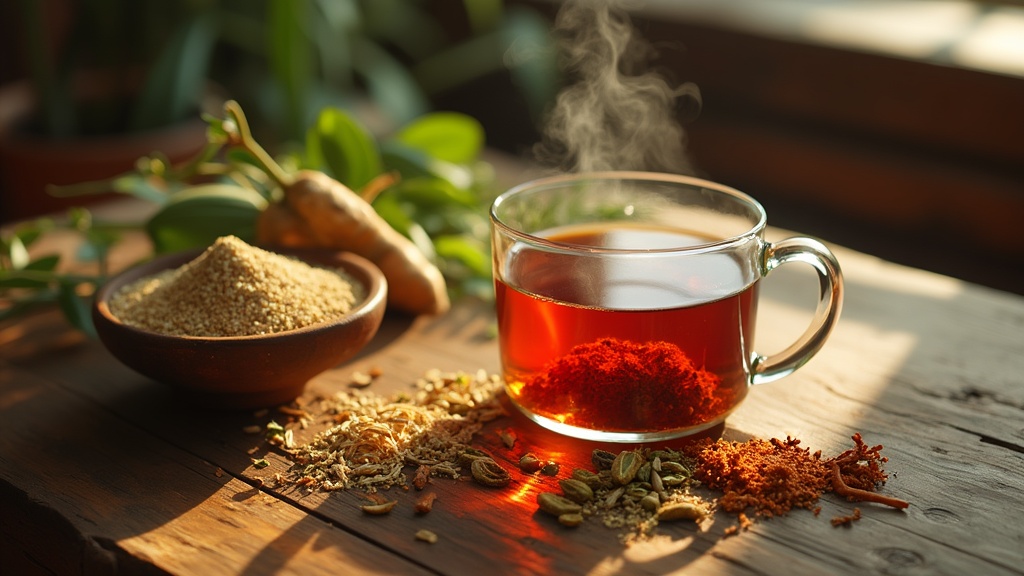
How to Craft a Stress‑Relief Adaptogen Tea at Home

Hook
Ever feel like your brain is stuck in a hamster wheel? A warm cup of adaptogen tea can hit the pause button, calming nerves without the crash of caffeine.
Context
Adaptogens—herbs that help the body adapt to stress—have been used for centuries, from Ayurvedic ashwagandha to Siberian rhodiola. Modern research backs their ability to modulate cortisol and improve subjective stress scores, but the market is flooded with pricey extracts and confusing dosage charts. This guide shows you how to create a reliable, affordable tea blend right in your kitchen.
What You’ll Need
- 1 tsp dried ashwagandha root powder (or 2 tsp if you prefer a stronger flavor)
- 1 tsp dried rhodiola rosea powder
- ½ tsp dried holy basil (tulsi) leaves
- ½ tsp dried Panax ginseng slices
- 1 cup filtered water (about 240 ml)
- Tea strainer or fine‑mesh sieve
- Optional: a dash of honey or a splash of lemon for taste
Step‑by‑Step Solution
- Measure and combine the herbs. In a small bowl, mix the ashwagandha, rhodiola, holy basil, and ginseng. The total volume should be roughly 2 tsp of dry material.
- Boil the water. Bring the filtered water to a gentle boil (just before it reaches a rolling bubble). Over‑boiling can degrade delicate constituents in rhodiola and ginseng.
- Steep. Place the herb blend in a tea infuser or directly into a heat‑proof mug. Pour the hot water over the herbs, cover, and let steep for 8‑10 minutes. Stir once halfway through.
- Strain. Remove the herbs using a strainer or press the infuser gently. Discard the spent material—most of the active constituents have already leached into the liquid.
- Adjust flavor. Add a teaspoon of honey or a squeeze of lemon if the tea is too earthy for your palate. Both additions are optional and do not interfere with the adaptogenic effect.
- Enjoy mindfully. Sip slowly, preferably in a quiet spot. The calming impact peaks after about 30 minutes as the compounds are absorbed.
Pro Tips
- Batch it. Double the herb mix and steep two cups at once; store the extra in a sealed glass bottle in the fridge for up to 24 hours. Re‑heat gently—don’t microwave, which can break down some actives.
- Rotate herbs. If you use the blend daily, rotate one adaptogen each week (e.g., swap ginseng for eleuthero) to avoid potential tolerance buildup.
- Mind the dosage. Stick to the amounts listed above—research shows that 300‑500 mg of ashwagandha extract (≈1 tsp powder) is enough for stress modulation without sedation [PubMed].
Common Mistakes & How to Fix Them
- Steeping too long. Over‑steeping can make the tea bitter and may extract excessive tannins, which interfere with iron absorption. Keep to 8‑10 minutes.
- Using low‑quality herbs. Cheap bulk powders often contain fillers. Source certified organic or reputable bulk suppliers; see our home remedy cabinet guide for vetted vendors.
- Mixing with caffeine. Combining adaptogen tea with coffee or energy drinks can blunt the calming effect. Save the tea for a mid‑morning or early‑evening break.
- Skipping the strain. Leaving herb particles in the cup can lead to gritty texture and a stronger, sometimes unpleasant, taste.
Wrap‑Up
This simple adaptogen tea gives you a research‑backed stress buffer without the expense of commercial extracts. Brew a cup whenever you feel the day’s demands mounting, and you’ll notice a steadier mood and clearer focus. Want to dive deeper into how these herbs work? Check out our Bioavailability Myth post, which explains why a well‑steeped tea can be just as effective as a pricey tincture.
Related Reading
- Spring Transition Herbs: What Actually Helps When Your Body Shifts Seasons — a broader look at seasonal adaptogens.
- The Bioavailability Myth — why extraction method matters (or doesn’t).
- Building a Home Herbal Remedy Cabinet — essential tools and storage tips.