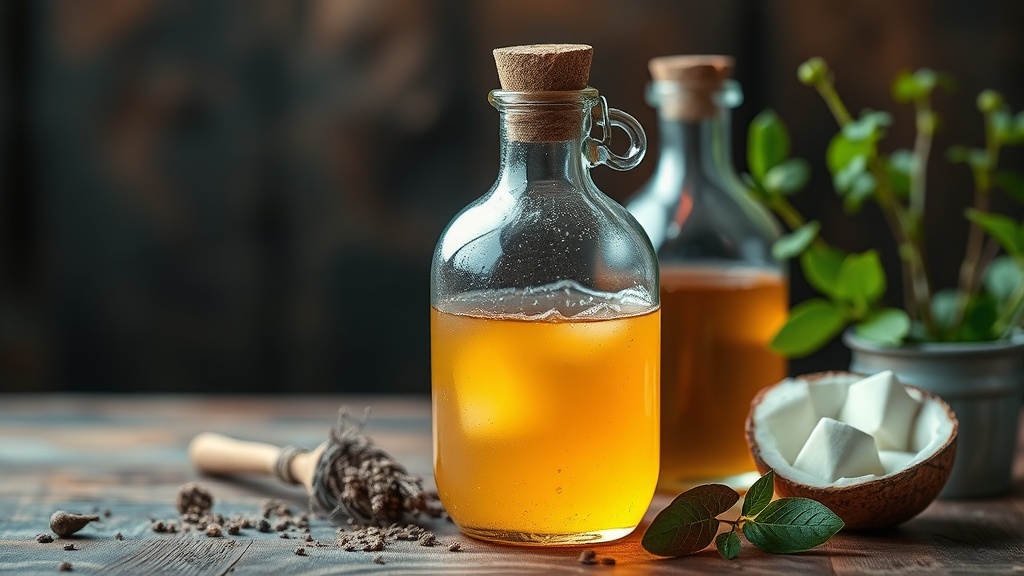
How to Extract Maximum Minerals from Herbs Using Apple Cider Vinegar

Here's something that might surprise you—your body only absorbs about 10-30% of minerals from plant foods thanks to compounds called phytates and oxalates that bind to calcium, magnesium, and iron. Herbalists have known for centuries that certain preparation methods break down these barriers. Enter mineral-rich herbal vinegars—an old-world technique that's been quietly delivering bioavailable nutrients long before supplement capsules existed. This post walks you through making potent herbal vinegars at home, why they work better than capsules for mineral absorption, and which herbs pack the biggest nutritional punch.
Why Are Herbal Vinegars Better Than Pills for Mineral Absorption?
Most people reach for calcium or magnesium supplements without realizing their bodies struggle to use isolated nutrients. Research from the National Institutes of Health shows that food-based minerals often outperform isolated supplements because they're bound with organic acids and cofactors your cells actually recognize.
Apple cider vinegar (ACV) contains acetic acid—and that acidity is the secret weapon. When herbs steep in vinegar for 4-6 weeks, the acid breaks down cell walls and liberates minerals like calcium, magnesium, potassium, and trace minerals from the plant material. Your stomach acid does something similar—but most of us don't chew our food long enough, and modern diets often leave us with less-than-optimal digestion.
Think of herbal vinegar as pre-digested nutrition. The acetic acid has already done the hard work of extraction. When you take a tablespoon in water or drizzle it over salad, you're delivering ionized minerals your body can put to work immediately—no expensive capsules, no questionable fillers, no wondering if that $40 bottle of supplements is actually dissolving in your gut.
Which Herbs Contain the Most Extractable Minerals?
Not all herbs are created equal when it comes to mineral content. You want plants with deep taproots that pull nutrients from subsoil layers—or leafy greens that concentrate minerals from rich soil. Here's what to look for:
Nettle (Urtica dioica)—often called "nature's multivitamin"—contains more calcium per ounce than milk, plus significant magnesium, iron, and silica. Dried nettle leaf makes an exceptional base vinegar that tastes surprisingly mild and grassy.
Red clover blossoms (Trifolium pratense) provide calcium, magnesium, and trace minerals while contributing a light, sweet flavor. The flowers add a pleasant honey-like quality that balances vinegar's sharpness.
Oatstraw (Avena sativa)—the dried stalks of immature oats—contains high levels of silica, calcium, and B vitamins. It's a nervine herb too, meaning it supports nervous system function while delivering minerals.
Dandelion leaf (Taraxacum officinale) pulls calcium, potassium, and iron from deep soil. The leaves are particularly mineral-rich before the plant flowers—harvest them young for best results.
Burdock root (Arctium lappa) takes patience (it's a biennial that needs two years to develop a thick taproot), but the mineral content is exceptional. The root contains inulin—a prebiotic fiber that feeds gut bacteria alongside its mineral payload.
How Do You Make Herbal Vinegar That Actually Works?
Equipment matters less than technique. You'll need a clean glass jar with a non-metal lid (vinegar corrodes metal), raw unfiltered apple cider vinegar with the "mother," and your chosen dried herbs. Fresh herbs work too—just pack them loosely since they contain water that dilutes the final product.
Fill your jar about one-third full with dried herbs (or halfway with fresh). Pour ACV over the plant material until everything is submerged by at least an inch. Poke the mixture with a chopstick to release air bubbles—trapped air causes mold. Seal with a plastic lid or place parchment paper between a metal lid and the vinegar.
Label everything with the herb name and date. Store in a cool, dark cabinet for 4-6 weeks. Shake the jar every few days to redistribute the plant material. Patience here pays off—shorter steeping times mean weaker extractions. You'll know it's ready when the vinegar has taken on the herb's color and scent.
Strain through cheesecloth into clean bottles. Compost the spent herbs. Your finished vinegar keeps for 12-18 months at room temperature—though you'll probably use it faster than that.
Dosage and Daily Use
A tablespoon in a glass of water once or twice daily provides meaningful mineral support. Some people find straight vinegar irritating to tooth enamel—drink it through a straw or dilute it further. You can also use herbal vinegars in salad dressings, marinades, or as a finishing splash on cooked greens. The acidity actually enhances iron absorption from plant foods when consumed together.
What About Quality and Sourcing?
Your vinegar is only as good as your herbs. Conventionally grown plants may contain pesticide residues—and you'll be concentrating whatever's in those leaves. Source organic or wildcrafted herbs from reputable suppliers. If you forage, learn proper identification and avoid roadsides or areas sprayed with chemicals.
Raw unfiltered apple cider vinegar matters too. Pasteurized vinegar works for extraction but lacks the living cultures that contribute to gut health. Brands like Bragg or local producers at farmers markets usually offer quality options. Avoid white distilled vinegar—it lacks the mineral content and complexity that makes ACV worth using.
Water quality affects the final product if you're diluting before drinking. Chlorinated tap water isn't ideal—filtered or spring water preserves the living qualities better. This isn't about perfection though. A mineral-rich vinegar made with decent ingredients beats no mineral support at all.
Can You Combine Herbs for Targeted Support?
Absolutely—and this is where herbal vinegars get interesting. A bone-support blend might combine nettle, oatstraw, and horsetail (high in silica for collagen formation). For someone dealing with tension and stress, oatstraw and lemon balm together offer minerals plus gentle nervine effects.
Start with single herbs to learn their individual flavors and effects. Once you understand how nettle tastes versus red clover, you can blend confidently. Keep notes on what you like—herbalism is personal, and your preferences matter.
One combination to approach carefully: don't mix herbs with wildly different extraction needs. Roots and barks typically need longer steeping times (6-8 weeks) than leaves and flowers (4 weeks). If you're impatient, stick to leaf and flower vinegars. They extract faster and often taste more pleasant anyway.
Are There Any Safety Considerations?
Vinegar is generally safe, but it's acidic. People with GERD, ulcers, or dental erosion should dilute heavily or skip this preparation method. The acidity can interact with certain medications—diuretics, insulin, and digoxin users should check with healthcare providers before making vinegars a daily habit.
Some herbs aren't appropriate for vinegar extraction. Alcohol-soluble constituents (like those in echinacea or goldenseal) won't extract well in acetic acid. Resinous herbs (myrrh, frankincense) make sticky, unpleasant messes. And some plants are simply toxic—never experiment with unidentified wild plants in your kitchen.
Pregnant or breastfeeding folks should research each herb individually. Nettle and red clover are generally considered safe, but every situation is different. When in doubt, consult a clinical herbalist or knowledgeable healthcare provider.
Making herbal vinegars reconnects you with traditional food preparation methods that prioritized nutrient density over convenience. It takes time—something modern wellness culture often resists. But that waiting period? It's when the real work happens. The vinegar does what your digestive system sometimes can't, delivering minerals in forms your body recognizes and uses. Start with a single jar of nettle vinegar. In six weeks, you'll have something more valuable than most bottles in the supplement aisle.