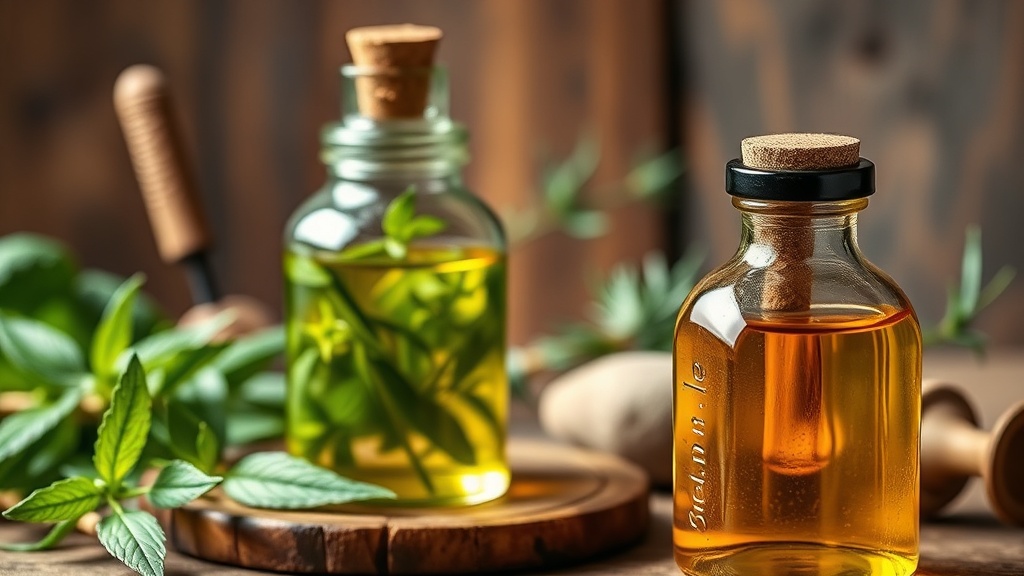
How to Make Herbal Infused Oils That Stay Fresh and Potent

This guide will teach you how to make medicinal-grade herbal infused oils at home—the kind that retain their therapeutic properties for months without turning rancid. You'll learn which carrier oils actually extract active compounds (and which ones don't), why drying your herbs matters more than you think, and the exact temperature ranges that preserve delicate plant constituents. Whether you want a calendula oil for irritated skin, a comfrey preparation for joint support, or an arnica oil for muscle soreness, the technique remains the same. Get this process right, and you'll have shelf-stable herbal medicines that outperform most store-bought versions.
Why Does Herb Moisture Matter So Much?
Fresh herbs contain water—sometimes 70-80% of their weight by volume. When you submerge fresh plant material in oil, that water creates a breeding ground for mold and bacterial growth. Within days, you can develop the kind of contamination that isn't visible until it's too late. This is why proper drying isn't optional—it's the difference between a therapeutic preparation and a spoiled batch.
Dry your herbs until they crumble between your fingers. For leaves, this usually takes 3-7 days in a warm, dry location away from direct sunlight. Flowers like calendula or arnica need 5-10 days. Roots and barks take longer—sometimes 2-3 weeks. You can speed this with a dehydrator set to 95-110°F (35-43°C), but avoid higher temperatures that degrade volatile compounds. The herbs should feel crisp, not leathery. If they bend instead of snapping, they need more time.
Here's where it gets technical: some herbalists argue for "wet" infusions with fresh plants, claiming they capture water-soluble compounds oils might miss. The science doesn't support this—oil and water don't mix, so water-soluble constituents won't transfer into the oil phase anyway. What you get instead is increased spoilage risk and enzymatic degradation. Stick with dried material for oil infusions. If you need water-soluble compounds, make a tea or tincture instead.
Which Carrier Oil Should You Choose?
Not all oils extract herbal constituents equally. The carrier oil you select affects both shelf stability and therapeutic value. Olive oil works well for most applications—it has good extraction capabilities, reasonable shelf life (12-18 months), and anti-inflammatory properties of its own. But it has limitations. Its strong scent can overpower delicate herbs, and its thicker consistency isn't ideal for massage applications.
Jojoba oil isn't technically an oil—it's a liquid wax with a molecular structure similar to human sebum. This makes it excellent for skin preparations and gives it an indefinite shelf life. However, its extraction capabilities are moderate at best. It works beautifully for finished cosmetic products but isn't your best choice for initial maceration if you want maximum therapeutic compound transfer.
Sweet almond oil and grapeseed oil offer lighter textures and good penetration, but their shelf lives are shorter—6-9 months without refrigeration. Fractionated coconut oil (MCT oil) provides excellent stability and no scent interference, making it ideal for capturing subtle aromatics. For serious therapeutic preparations, consider avocado oil—it penetrates the dermis better than most carriers and contains vitamins that complement herbal constituents. Research on topical herbal preparations confirms that carrier oil selection significantly impacts bioavailability of active compounds.
What's the Best Method: Solar or Heat Infusion?
You have two reliable methods for infusing herbs into oil. The traditional solar infusion involves packing dried herbs into a jar, covering with oil, and placing in a sunny windowsill for 4-6 weeks. This works—the sun's gentle warmth facilitates compound transfer without degradation. But it's slow, weather-dependent, and introduces some oxidation risk from prolonged light exposure.
The heat method gives you more control. A crockpot on "warm" (not "low") maintained at 100-110°F (38-43°C) for 4-8 hours extracts most herbal constituents efficiently. You can use a water bath technique: place your herb-filled jar in a pot of water on the stove, keeping the water at a gentle simmer for 2-4 hours. This indirect heat prevents burning while accelerating extraction. Some herbalists use an oven set to its lowest temperature with the door cracked—effective, but requires careful monitoring.
Here's the critical detail: temperature control makes or breaks your infusion. Exceed 120°F (49°C) and you start degrading heat-sensitive compounds—volatile oils evaporate, enzymes denature, and some flavonoids break down. Stay below this threshold. If you can't monitor temperature precisely, stick with the solar method. Patience preserves potency.
For maximum extraction efficiency, some practitioners use a hybrid approach: begin with a brief heat infusion (2 hours at low temperature) to jumpstart compound release, then transfer to a dark cabinet for 2-3 weeks of solar or ambient infusion. This captures both the quick-release and slow-release constituents. Studies on herbal extraction methods show that combined approaches often yield higher total compound concentrations than single-method preparations.
How Do You Know When It's Ready?
Strain your finished oil through several layers of cheesecloth or a fine mesh bag. Squeeze gently—don't wring aggressively, as this forces plant particles through that will cloud your oil and shorten shelf life. Let the oil settle overnight, then decant the clear upper portion, leaving any sediment behind.
Store your finished infusion in dark glass bottles—amber or cobalt blue work best. Light degrades oils rapidly, even with natural antioxidants present. Keep bottles in a cool, dark location. Refrigeration extends shelf life significantly, though it may cause some oils to solidify temporarily—just warm the bottle in your hands before use.
Add natural antioxidants if you're making large batches or using shorter-lived carrier oils. Vitamin E oil (mixed tocopherols) at 0.5% concentration extends shelf life by several months. Rosemary antioxidant extract (ROE) works similarly. These aren't preservatives in the cosmetic sense—they won't stop microbial growth, but they prevent rancidity from oxidation.
Speaking of spoilage: smell your oils regularly. Rancid oil has a distinct crayon-like or paint-like odor. If you detect this, discard the batch. Using rancid oil on skin can cause irritation and inflammation—the opposite of what you want from herbal medicine. Properly made and stored herbal infused oils should last 9-12 months, sometimes longer with stable carrier oils and antioxidant protection.
Which Herbs Work Best in Oil Infusions?
Some herbs practically beg for oil infusion. Calendula (Calendula officinalis) contains faradiol esters and triterpenoids that extract beautifully into oil, creating preparations ideal for minor wounds, diaper rash, and general skin irritation. Comfrey (Symphytum officinale) provides allantoin—a cell-proliferating compound that speeds healing, though internal use remains controversial due to pyrrolizidine alkaloid content. Stick to external applications.
Arnica (Arnica montana) produces the classic bruise and muscle soreness oil found in natural pharmacies worldwide. Plantain (Plantago major)—the common weed, not the banana relative—contains aucubin and other compounds that reduce inflammation when applied topically. St. John's wort (Hypericum perforatum) creates a distinctive red oil rich in hypericin; traditional use supports nerve-related pain and wound healing. Clinical research on St. John's wort oil demonstrates significant anti-inflammatory and antimicrobial properties.
Avoid water-loving herbs in oil infusions. Marshmallow root, slippery elm, and chia seeds contain mucilage—complex carbohydrates that hydrate and thicken in water but turn gummy and problematic in oil. These herbs work better as cold water infusions or poultices. Similarly, herbs with very high resin content (like myrrh) can make oils sticky and difficult to work with unless you're specifically aiming for a resinous preparation.
Experiment with combinations once you've mastered single-herb infusions. Calendula and plantain complement each other for general skin care. Arnica and St. John's wort together address muscle and nerve pain. Comfrey and plantain speed wound healing. Keep notes on your ratios and results—what works for your specific needs may differ from standard formulations, and documentation helps you replicate successes.