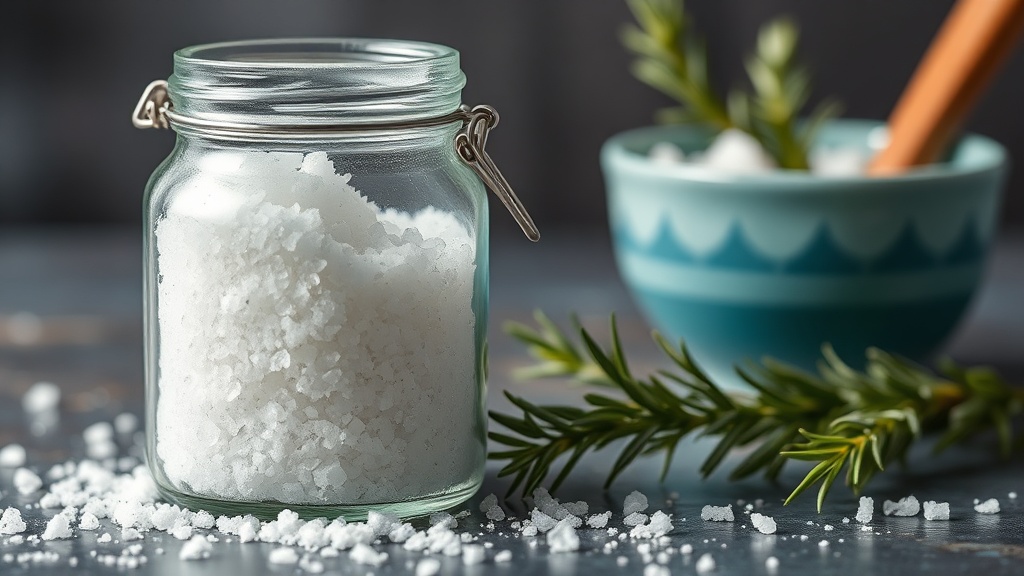
How to Make Your Own Rosemary Infused Sea Salt for Cooking

The Myth of the "Instant" Infusion
Many people believe that to get the full aromatic and therapeutic benefits of a botanical like rosemary, you must use heat or heavy oils. They assume that a simple salt infusion is just a way to add flavor, ignoring the fact that salt acts as a highly efficient desiccant and flavor carrier. In reality, making your own rosemary-infused sea salt is a method of preservation and concentrated botanical extraction that requires zero cooking and very little specialized equipment. This guide provides a science-backed method for creating a shelf-stable, aromatic seasoning that elevates your culinary experience while utilizing the potent volatile oils found in Rosmarinus officinalis.
Rosemary is more than just a kitchen staple; it is a robust herb rich in carnosic acid and rosmarinic acid. When you infuse it into sea salt, you are essentially creating a way to preserve these aromatic compounds in a medium that is easy to use in daily cooking. This process is much more stable than making a liquid tincture or a fresh herb oil, which can go rancid quickly. By using salt, you are utilizing a mineral base that draws out moisture, ensuring your herb infusion stays dry and shelf-stable for months.
Why Sea Salt?
Not all salts are created equal when it comes to infusions. While table salt is highly processed and often contains anti-caking agents like sodium ferrocyanide, sea salt retains a complex mineral profile. For this infusion, I recommend using a high-quality, coarse sea salt such as Maldon Sea Salt or a coarse Celtic Sea Salt. The larger crystal structure of these salts provides more surface area for the rosemary oils to adhere to, and the texture provides a satisfying crunch when sprinkled over finished dishes.
The mineral content in unrefined sea salt—including trace amounts of magnesium and potassium—complements the earthy, pine-like notes of the rosemary. Furthermore, the coarse texture allows the salt to act as a physical desiccant. This is crucial because any residual moisture from the fresh rosemary could lead to mold growth or a clumping texture if not handled correctly. This is a similar principle to nurturing your gut with fermented foods, where moisture control and the right environment dictate the success of the preservation process.
Selecting and Preparing Your Rosemary
To achieve a professional-grade result, the quality of your rosemary is paramount. You can use fresh rosemary from a garden or high-quality organic rosemary from a grocery store. If you use fresh rosemary, ensure the sprigs are vibrant and free of any dark, bruised, or mushy stems. If the rosemary looks wilted, it has already lost a significant portion of its volatile oils.
The Drying Phase: You cannot simply chop fresh rosemary and throw it into salt. The water content in fresh herbs will cause the salt to dissolve into a paste or, worse, develop mold. You have two practical options for preparation:
- Air Drying: Tie small bundles of rosemary sprigs with kitchen twine and hang them upside down in a cool, dry, well-ventilated area away from direct sunlight. This can take 1 to 2 weeks.
- Dehydration: Use a food dehydrator set to the lowest possible temperature (around 95°F or 35°C). This preserves the color and the essential oils better than high-heat methods. If using an oven, use the lowest setting and keep the door slightly ajar, but be careful not to "cook" the herb.
Once the rosemary is completely brittle and snaps easily when bent, it is ready for the infusion. If the herb is even slightly flexible, it still contains moisture and is not ready for the salt.
The Step-by-Step Infusion Process
Equipment Needed
- A clean, bone-dry glass jar (a Mason jar works perfectly)
- A high-quality coffee grinder or a mortar and pestle
- A fine-mesh sieve
- A sharp chef's knife
- A digital kitchen scale (for precision)
Instructions
- Measure Your Ingredients: For a standard batch, use a ratio of 1 part dried rosemary to 4 parts sea salt by weight. For example, if you have 25 grams of dried rosemary, use 100 grams of coarse sea salt. Using a scale is much more accurate than using volume (cups/spoons) because dried herbs can be packed differently each time.
- Pulverize the Rosemary: Place your dried rosemary into a coffee grinder or mortar and pestle. Pulse until the rosemary reaches a fine, powder-like consistency. You want to break the cell walls of the herb to release the essential oils, but you don't want to turn it into a dust that disappears into the salt. A coarse powder is ideal.
- Combine: Place the rosemary powder into your clean glass jar and add the sea salt.
- The Agitation Phase: Close the lid tightly. Shake the jar vigorously for at least two minutes. This ensures the rosemary particles are evenly distributed throughout the salt crystals.
- The Resting Period: Let the mixture sit in a cool, dark cupboard for at least one week. During this time, the salt will absorb the aromatic compounds from the rosemary. For the best results, give the jar a quick shake every two days to redistribute the oils.
- Final Sifting (Optional): If you prefer a very uniform texture, you can pass the mixture through a fine-mesh sieve to remove any exceptionally large herb fragments. However, leaving the bits in adds a nice visual element to the salt.
Storage and Shelf Life
Because salt is a natural preservative, your rosemary-infused salt will have a long shelf life. However, to maintain the integrity of the volatile oils, you must store it correctly. Keep your finished salt in an airtight glass container, such as a spice jar or a small ceramic crock. Store it in a cool, dark place—avoid keeping it right next to the stove, as the heat and steam from cooking can introduce moisture into the jar.
Under ideal conditions, this salt will remain potent and aromatic for 6 to 12 months. If you notice the scent fading or the salt beginning to clump significantly, it is time to make a new batch. If you see any signs of discoloration or an "off" smell, discard it immediately, as this indicates moisture has compromised the batch.
Practical Culinary Applications
This is not just a "fancy" ingredient; it is a versatile tool for enhancing your cooking. The rosemary flavor is robust, so a little goes a long way. Here are a few ways to use your infusion effectively:
- Roasted Vegetables: Toss fingerling potatoes, carrots, or parsnips in olive oil and a generous pinch of your rosemary salt before roasting. The salt will adhere to the vegetables and create a savory crust.
- Proteins: Use it as a dry rub for lamb chops, chicken thighs, or even salmon. The rosemary notes pair exceptionally well with the natural fats in these proteins.
- Bread Making: Sprinkle the salt over the top of focaccia or sourdough loaves just before they finish baking in the oven.
- Finishing Salt: Use a tiny pinch over a warm tomato soup or a grilled corn cob to add a professional, finished touch to a simple meal.
Troubleshooting Common Issues
The salt is clumping: This is almost always due to moisture. Either your rosemary wasn't fully dried before you added it to the salt, or you used a damp spoon to scoop the salt out of the jar. To fix this, spread the salt on a baking sheet and let it air-dry in a very dry room, or add a few grains of uncooked rice to the jar to absorb excess moisture.
The flavor is weak: If the rosemary flavor is subtle, you may not have pulverized the herb enough. The goal is to break the leaves into tiny particles to maximize surface area contact with the salt. Next time, ensure you are using a scale to maintain the 1:4 ratio, as a higher herb-to-salt ratio will result in a more intense flavor.
The color is dull: If your rosemary salt looks brownish rather than green, it is likely because the rosemary was exposed to too much light or heat during the drying process. Always store your infusions in opaque containers or dark cupboards to preserve the vibrant natural color of the botanicals.
Steps
- 1
Prepare your fresh rosemary by washing and thoroughly drying it.
- 2
Pulse the rosemary in a blender or chop finely to create small bits.
- 3
Mix the rosemary bits with high-quality coarse sea salt in a glass bowl.
- 4
Spread the mixture on a baking sheet to dry in a low oven or air dry for several days.
- 5
Store your finished infused salt in an airtight glass jar in a cool, dark place.