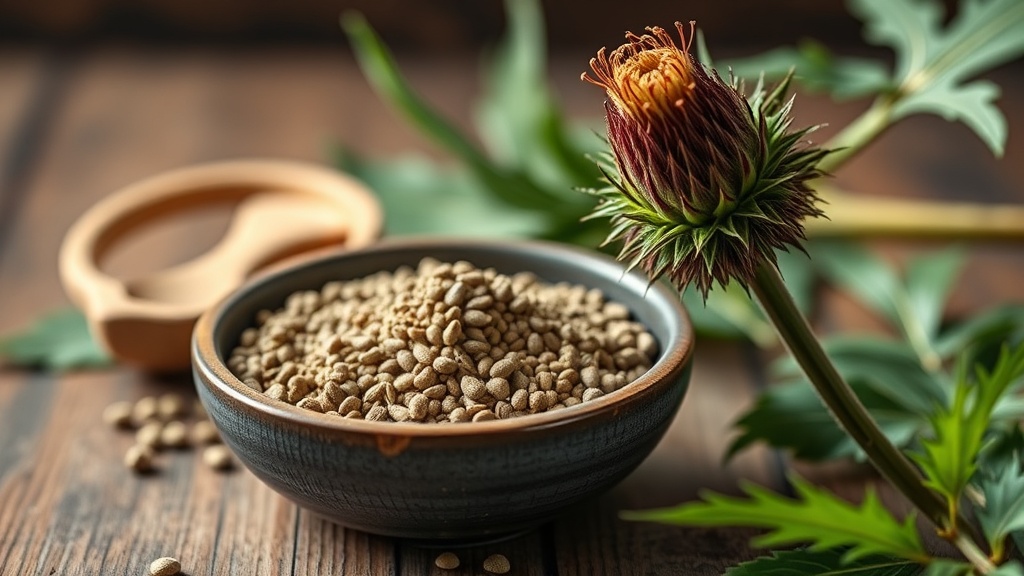
How to Prepare Milk Thistle Seed for Liver Support Without Wasting Your Herbs

Here's something that might stop you mid-aisle at the health food store: up to 70% of the silymarin—the active compound in milk thistle that researchers actually study—never makes it into your bloodstream when you simply swallow whole seeds or poorly prepared capsules. That's not a marketing claim; it's a pharmacokinetic reality that has frustrated researchers studying this herb for decades. This post explains exactly how to extract milk thistle's benefits at home, why most store-bought preparations fall short, and how to avoid the common mistakes that turn this potentially useful herb into expensive fiber.
What Exactly Is Silymarin—and Why Does Preparation Matter?
Milk thistle (Silybum marianum) isn't some fringe folk remedy. It's one of the most studied medicinal plants in the world, with over 12,000 citations in the scientific literature. The compound group responsible for its reputation—silymarin—is actually a complex of seven flavonolignans, with silybin being the most bioactive. These compounds protect liver cells through antioxidant mechanisms and may support regeneration of damaged tissue.
But here's the catch: silymarin is notoriously insoluble in water and poorly absorbed through the gut wall. Your digestive system simply can't break down the hard seed coat effectively, and even ground seeds pass through with much of their potency intact. This isn't unique to milk thistle—many seeds evolved specifically to survive digestion—but it means preparation technique determines whether you're getting a therapeutic dose or just colorful compost.
The research on milk thistle's effectiveness has been mixed, and part of that variability likely stems from preparation differences. When standardized extracts using proper extraction methods are studied, the results tend to be more consistent than studies using raw seeds or basic preparations. For home use, understanding these extraction principles lets you get closer to therapeutic levels without proprietary processing.
Why Can't I Just Grind the Seeds and Add Them to Smoothies?
You can—but you'll be disappointed. Whole milk thistle seeds contain roughly 1-3% silymarin by weight, but the flavonolignans are locked inside tough, lignified cell walls that resist both mechanical grinding and digestive enzymes. Studies measuring silymarin in feces after oral consumption of unprocessed seeds consistently show that the majority passes through unabsorbed.
Even finely ground seeds present problems. Silymarin compounds are lipophilic—they dissolve in fats and alcohols, not water. Without an extraction medium that can solubilize these compounds, they remain bound to plant fiber and unavailable for absorption. This is why traditional preparations almost always involved alcohol tinctures or oil extractions rather than simple water infusions.
The seed shells also contain compounds that can irritate the digestive tract in large amounts. Proper preparation separates the desirable flavonolignans from the bulk fiber, concentrating the active constituents while reducing the material your body has to process. Think of it as the difference between eating an orange and taking vitamin C—you're isolating what you actually need.
What's the Most Effective Home Preparation Method?
For home herbalists, the alcohol tincture method offers the best balance of potency, stability, and practicality. The ethanol in alcohol extracts both the water-soluble and alcohol-soluble compounds, creating a full-spectrum preparation that preserves well and doses easily.
Materials You'll Need:
- 1 cup whole milk thistle seeds (organic, recently harvested)
- 2 cups high-proof alcohol (vodka or Everclear at 80-95 proof)
- Glass jar with tight-fitting lid
- Cheesecloth or fine mesh strainer
- Dark glass dropper bottles for storage
- Coffee grinder or mortar and pestle
The Process:
Step 1: Crack the seeds. Use a coffee grinder set to coarse (not fine powder—just cracked) or a mortar and pestle. You're aiming to break the seed coats, not create dust. This increases surface area for extraction while avoiding the slimy mess that over-ground seeds become.
Step 2: Fill your jar. Place the cracked seeds in a clean glass jar, filling it about one-third full. Cover completely with alcohol, leaving one inch of headspace. The alcohol should fully submerge all plant material—any exposed seeds can mold.
Step 3: Macerate and wait. Seal the jar and shake daily for the first week, then weekly thereafter. Store in a cool, dark place for 6-8 weeks. Yes, weeks—silymarin extraction is slow. Patience here directly correlates with potency.
Step 4: Strain and bottle. Line a strainer with cheesecloth and pour the mixture through, squeezing firmly to extract every drop. Transfer to dark glass dropper bottles. Label with the date and dosage.
The resulting tincture will be dark amber with a slightly bitter, nutty flavor. Standard dosage ranges from 30-60 drops (1-2 ml) three times daily, though you should consult with a qualified practitioner for personalized guidance.
Are There Non-Alcoholic Alternatives That Actually Work?
For those avoiding alcohol, glycerites and hot water decoctions offer alternatives—though with significant trade-offs in potency.
Glycerite Method:
Vegetable glycerin can extract some silymarin, though less efficiently than alcohol. The process is similar: cracked seeds covered with a mixture of 3 parts glycerin to 1 part water, macerated for 6-8 weeks. The resulting preparation is sweeter and alcohol-free but requires larger doses (roughly double the tincture amount) to achieve comparable effects.
Hot Water Decoction:
Since silymarin is poorly water-soluble, a simple tea won't extract meaningful amounts. However, a prolonged decoction—simmering cracked seeds in water for 20-30 minutes—will pull out some compounds. Add a teaspoon of oil or a splash of milk to the water; the fat helps solubilize the lipophilic silymarin. This method is the least efficient but acceptable for daily maintenance rather than targeted support.
Research published in the Journal of Natural Products confirms that ethanol extracts yield significantly higher silymarin concentrations than aqueous preparations. If you're serious about therapeutic use, alcohol tinctures remain the gold standard for home preparation.
How Do I Know If My Preparation Is Working?
This is where expectations need calibration. Milk thistle doesn't produce immediate, dramatic effects like caffeine or sedatives. Its mechanisms—supporting glutathione production, stabilizing cell membranes, promoting protein synthesis—operate over weeks and months, not minutes.
That said, quality indicators for your preparation include:
- Color: Properly extracted milk thistle tincture should be deep amber to reddish-brown. Pale, yellowish liquid suggests weak extraction or old seeds.
- Taste: Expect bitter and slightly nutty, not bland or overly grassy. Bitterness indicates flavonoid content.
- Texture: The liquid should be smooth, not cloudy with sediment (filter more if needed).
Individual response varies significantly based on genetics, liver health, and concurrent factors. Some people notice improved digestion within days; others use it for months before recognizing subtle shifts in energy or recovery patterns. The research on milk thistle for alcohol-related liver concerns and toxin exposure shows benefits accumulating over 3-6 months of consistent use.
For those interested in the clinical research behind these applications, the Memorial Sloan Kettering Cancer Center's herb database provides a comprehensive, evidence-based overview of milk thistle's studied uses and limitations.
What Are the Safety Considerations?
Milk thistle enjoys a strong safety profile, but it's not without considerations. The most common side effects are mild gastrointestinal upset and, rarely, allergic reactions—particularly in people allergic to plants in the Asteraceae family (ragweed, daisies, marigolds).
Drug interactions are the primary concern. Silymarin can affect how the liver processes certain medications by inhibiting cytochrome P450 enzymes. If you take prescription medications metabolized by the liver—particularly statins, benzodiazepines, or certain anticoagulants—consult your healthcare provider before regular use. The NIH Office of Dietary Supplements maintains current information on known interactions.
Pregnant and breastfeeding women should avoid milk thistle due to insufficient safety data. There's theoretical concern that its hormonal effects could influence lactation or fetal development, though hard evidence is lacking. Err on the side of caution.
Where Should I Source Quality Seeds?
The supplement industry is rife with adulterated and low-potency milk thistle. Seeds should be recently harvested (within 12 months), organically grown, and whole—not pre-ground. Pre-ground seeds oxidize quickly, degrading silymarin content.
Look for vendors who provide certificates of analysis showing silymarin content, or purchase from reputable herb suppliers who specialize in medicinal quality rather than culinary or decorative markets. The seeds should be glossy, grey-speckled, and free of dust or musty odors. Rancid-smelling seeds indicate oxidation and should be discarded.
Store your whole seeds in airtight containers away from heat and light. Properly stored, they maintain potency for 2-3 years. Once ground or extracted, use preparations within one year for maximum benefit.