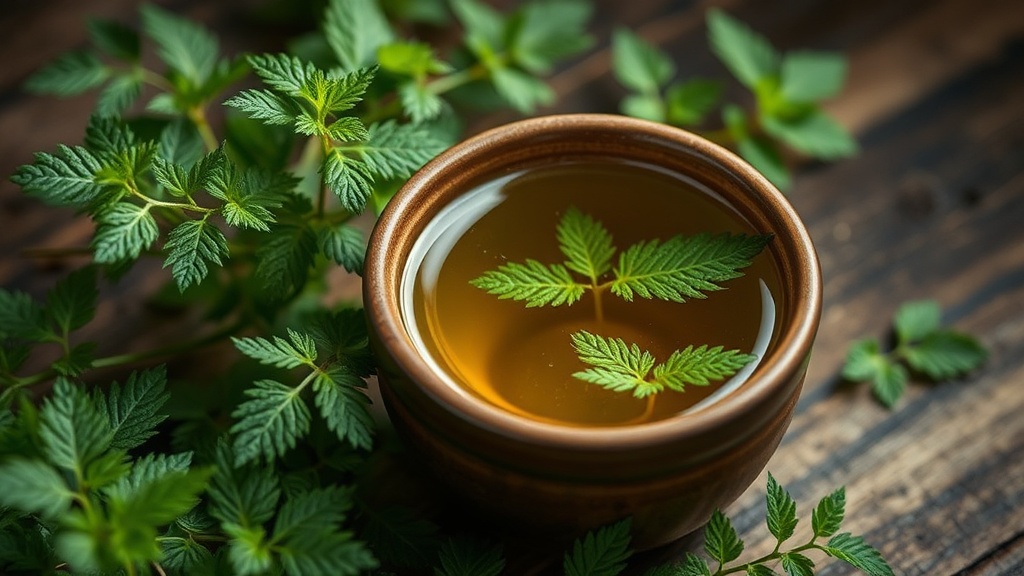
Preparing Nettle Tea for Maximum Nutrient Availability

The Chemistry of Stinging Nettle
A single gram of dried stinging nettle (*Urtica dioica*) contains significantly more iron and calcium than many common leafy greens—but only if you prepare it correctly. Most people treat nettle like a standard tea bag, steeping it for three minutes in a mug of hot water. This approach is a mistake. If you want the minerals, you're essentially just making flavored water. To actually access the magnesium, calcium, and iron locked within the plant's cell walls, you have to change your extraction method.
The reason this matters isn't about mysticism; it's about bioavailability. Plants have tough cellulose structures. While a quick steep might pull out some flavonoids and caffeine-free polyphenols, the heavy-duty minerals require a longer, more sustained contact with water. We aren't looking for a quick caffeine hit here; we're looking for a mineral infusion. This process—often called an infusion rather than a tea—allows the water to slowly break down those structures. It's the difference between a superficial rinse and a deep soak.
Why Should I Use an Infusion Instead of a Tea Bag?
Most commercial tea bags are designed for quick flavor delivery. They use smaller leaf particles and are meant to be steeped for a few minutes. Nettle, however, is a mineral-dense herb that demands more patience. When you use a loose-leaf infusion method, you allow the water temperature and time to work together to extract the soluble minerals. You aren't just making a drink; you're creating a liquid supplement.
If you look at the data provided by the National Institutes of Health (NIH), you'll see that mineral absorption is often a matter of how those minerals are presented to your body. By using a larger volume of water and a longer steeping time, you ensure that the calcium and magnesium are actually available for your system to use. A standard tea bag won't give you the depth of nutrition that a properly made long-steeped infusion provides.
How Long Does Nettle Need to Steep?
The short answer is: much longer than you think. If you're using a standard tea cup, you might steep for five minutes. For a true nettle infusion, you're looking at a minimum of four to eight hours, or even overnight. This is often called a 'long infusion.'
Here is a quick comparison of what happens during different steeping durations:
| Method | Time | Primary Result |
|---|---|---|
| Standard Tea Steep | 3-5 minutes | Flavor and light antioxidants |
| Short Infusion | 20-30 minutes | Increased polyphenols |
| Long Infusion | 4-8 hours | High mineral bioavailability (Calcium, Magnesium, Iron) |
The longer the nettle sits in the water, the more the water becomes slightly viscous and dark. This isn't a sign of it being 'bad' or 'old'; it's a sign that the minerals and complex nutrients are actually moving into the liquid. If your liquid is still clear or light yellow, you haven't reached the mineral threshold yet.
What Is the Best Ratio of Nettle to Water?
To get the best results, don't just throw a pinch of leaves into a mug. You need a specific ratio to ensure the infusion is potent. A good rule of thumb is to use roughly one ounce (about 28 grams) of dried nettle for every quart (about a liter) of water. This ratio ensures that the liquid is dense enough in nutrients to be effective. You can make a large batch in a glass jar and keep it in the refrigerator for a few days.
I often suggest using a glass mason jar for this. It's easier to track how much water you've used, and it's much more durable for long steeps than a standard ceramic mug. You can find more information on plant biochemistry through resources like PubMed to see how different extraction methods affect nutrient density. It's not magic; it's just basic solubility.
Can I Use Fresh Nettle or Only Dried?
Both work, but they require different approaches. Dried nettle is more predictable and easier to store. If you're using fresh nettle, you'll need to be much more careful about the preparation. You must wear gloves when handling fresh plants to avoid the stinging hairs (trichomes). The heat of the water will neutralize the sting, but the physical sensation of handling them is no joke. Fresh nettle generally requires a slightly higher volume of plant material because of the water content, but the infusion process remains the same—long and slow.
Once you've mastered the long infusion, you'll notice a distinct difference in the taste. It's earthy, slightly savory, and lacks the bitterness often found in lower-quality herbal teas. This is the result of a well-executed extraction. It's a practical tool for your daily wellness routine, provided you have the patience to let the chemistry happen.