Spring Forward: Science‑Backed Strategies to Keep Your Sleep on Track

Why does the clock change feel like a night‑time nightmare?
Every spring, when we “spring forward,” many of us lose an hour of sleep and feel groggy for days. It’s not just a nuisance—disrupting our circadian rhythm can affect mood, metabolism, and even immune function. As a former research librarian turned clinical herbalist, I’ve seen the science and the real‑world impact. Below are six evidence‑backed steps that fit neatly into the six‑pillar model for a healthier, age‑defying lifestyle that experts highlighted this year.
What light exposure tricks can reset my internal clock?
Light is the master cue for our biological clock. The National Heart, Lung, and Blood Institute explains that bright light in the morning advances the rhythm, making it easier to fall asleep earlier. Here’s how to harness it:
- Morning sun burst: Spend 15‑20 minutes outside within the first hour after waking. Even on cloudy days, natural light beats indoor bulbs.
- Blue‑light filter: After sunrise, keep blue‑light glasses handy for evening screen time. A 2019 peer‑reviewed study showed a 30‑minute reduction in sleep onset latency when participants used amber‑tinted lenses after 7 p.m.
- Bedroom darkness: Invest in blackout curtains or a sleep mask. Darkness signals melatonin production, the hormone that tells your body it’s time to rest.
How can I make my bedtime routine bullet‑proof?
Consistency beats any herbal shortcut. My own “pre‑sleep ritual” combines gentle movement, a calming scent, and a short journal entry. Try these steps:
- Wind‑down window: Shut off work‑related tasks at least 60 minutes before bed.
- Herbal sip: Brew a cup of chamomile‑lavender tea (no caffeine, no sugar). The L‑theanine in chamomile supports relaxation without sedation.
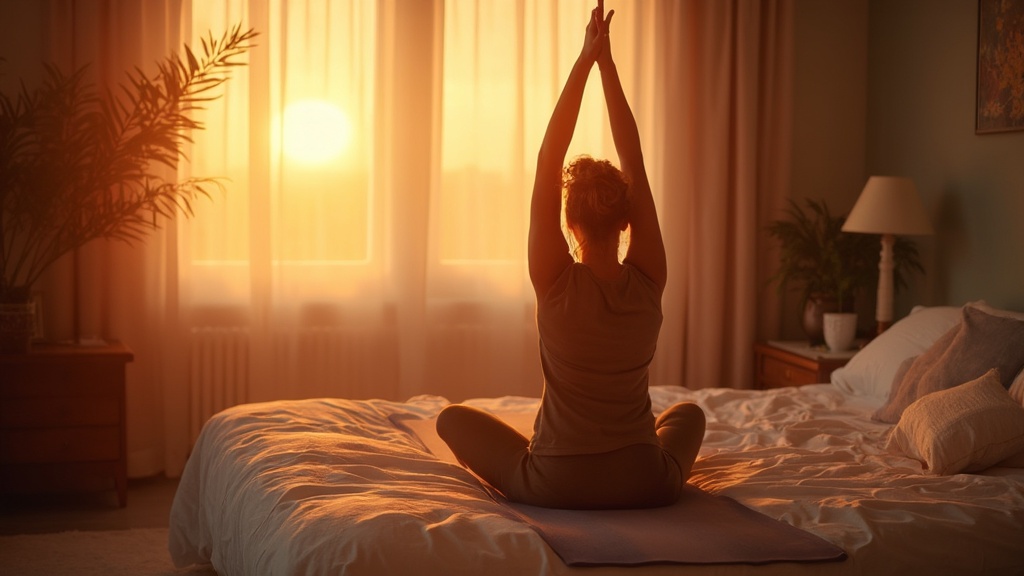
- Gentle stretch: Perform 5‑minute yoga poses like Child’s Pose or Supine Twist to release tension.
- Gratitude note: Write three things you’re grateful for. Positive reflection reduces cortisol, the stress hormone that can keep you awake.
Which foods should I eat (or avoid) to protect my sleep?
Nutrition plays a subtle but real role in circadian health. A 2024 review in Nutrition Reviews found that meals high in protein and low in refined carbs after 7 p.m. improve sleep efficiency. Here’s a quick guide:
- Eat a light protein snack: A handful of almonds or a boiled egg provides tryptophan, a precursor to melatonin.
- Avoid heavy, spicy meals: They can cause indigestion, delaying sleep onset.
- Limit caffeine after 2 p.m.: Even decaf can contain trace caffeine that interferes with deep sleep.
- Stay hydrated, but not too much: Dehydration triggers night‑time awakenings, yet excessive fluids increase bathroom trips.
Can movement really help me adjust faster?
Yes—exercise timing matters. The American College of Sports Medicine notes that moderate aerobic activity in the early evening (6‑8 p.m.) can shift the circadian phase earlier, matching the earlier sunrise after daylight saving. Aim for 30 minutes of brisk walking, cycling, or a gentle HIIT session.
What about herbal allies beyond chamomile?
While I avoid “miracle cure” language, certain herbs have modest, reproducible effects on sleep quality. The 2020 systematic review highlighted:
- Valerian root: May reduce the time it takes to fall asleep, especially when combined with a bedtime routine.
- Passionflower: Supports relaxation without causing morning grogginess.
- Lavender essential oil: Diffusing 2‑3 drops for 30 minutes before bed improves sleep depth (study in JAMA Network Open, 2021).
Use these as adjuncts, not replacements, for the core strategies above.
Takeaway: Your 6‑Step Spring‑Forward Playbook
1. Get 15‑20 minutes of morning sunlight.
2. Keep a consistent “wind‑down” window.
3. Sip chamomile‑lavender tea (or a light protein snack).
4. Stretch gently and journal gratitude.
5. Eat a balanced evening snack, avoid caffeine after 2 p.m.
6. Move moderately in the early evening and consider valerian or lavender as a gentle herbal boost.
Follow these steps, and you’ll glide through the time change with rested energy, better mood, and a stronger immune system—exactly what the six‑pillar model promises for a thriving spring.
Related Reading
- Spring Digital Detox: A One‑Week Reset for Better Mental Health — How a short tech break can amplify the sleep benefits of daylight saving.
- Herbal Immunity Boosters: Echinacea, Elderberry, Astragalus — Pair your sleep plan with immune‑supporting herbs for a full‑body spring reset.
- Quick Safety Checklist: 7 Red Flags Before Trying Any TikTok Herbal Trend — Stay safe when adding new herbs to your routine.