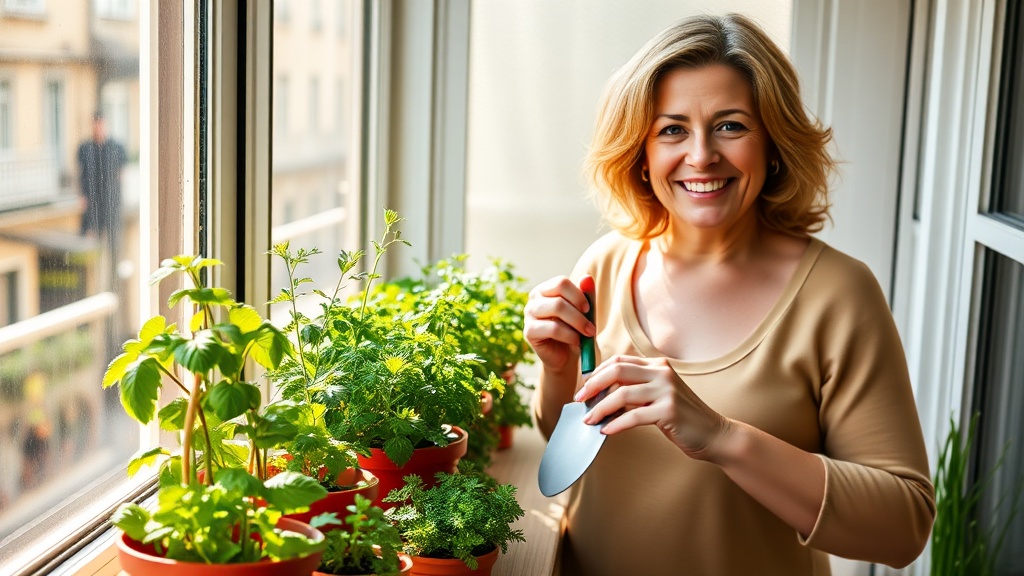
Spring Gardening Kickoff: 5 Easy Herbs for Kitchen Wellness

Basil – The aromatic star for summer dishes
Fast‑growing, antioxidant‑rich, supports blood sugar and immune health.
Mint – A refreshing, resilient herb
Low‑maintenance, menthol‑rich, soothes digestion and headaches.
Parsley – The nutrient‑dense garnish
Cold‑tolerant, vitamin‑rich, may detox heavy metals and aid kidneys.
Cilantro – Fresh flavor with detox power
Cool‑weather herb that binds heavy metals and supports liver health.
Chives – Mild onion flavor with vitamin C
Hardy, vitamin‑C rich, may regulate blood pressure and gut health.
Hook: Ready to turn your balcony or windowsill into a fresh‑herb pantry this spring? Planting a few easy‑to‑grow herbs can instantly lift your meals, teas, and even your mood.
Context: Spring is the perfect time to start a kitchen herb garden. With the right choices, even city dwellers can grow vibrant, nutritious herbs that support the Bio‑Harmony lifestyle trend of March 2026.
What are the 5 easiest herbs to grow for kitchen wellness?
1. Basil – The aromatic star for summer dishes
- Why it’s a winner: Basil thrives in warm, sunny spots and grows quickly in pots. It’s packed with antioxidants and may help regulate blood sugar【1】.
- Planting tip: Sow seeds ¼‑½ in deep in well‑draining soil, keep the soil moist, and pinch off flower buds to encourage leaf growth.
- Culinary use: Fresh pesto, tomato sauces, and summer salads.
- Wellness boost: Supports immune function and offers anti‑inflammatory compounds【2】.
2. Mint – A refreshing, resilient herb
- Why it’s a winner: Mint spreads aggressively, making it low‑maintenance. It’s rich in menthol, which can soothe digestion and ease headaches【3】.
- Planting tip: Use a separate container to control its spread. Keep soil consistently moist and provide partial shade.
- Culinary use: Teas, mojitos, and fruit salads.
- Wellness boost: Aids respiratory comfort and reduces nausea【4】.
3. Parsley – The nutrient‑dense garnish
- Why it’s a winner: Parsley tolerates cooler temperatures and can be harvested continuously. It’s a great source of vitamin K, C, and flavonoids that support bone health【5】.
- Planting tip: Sow seeds thinly, water regularly, and harvest leaves once the plant is 6 in tall.
- Culinary use: Garnish, soups, and smoothies.
- Wellness boost: May help detoxify heavy metals and improve kidney function【6】.
4. Cilantro – Fresh flavor with detox power
- Why it’s a winner: Cilantro loves cool spring weather and can be grown in shallow containers. It contains compounds that bind heavy metals, aiding detoxification【7】.
- Planting tip: Plant seeds ¼‑½ in deep, water lightly, and harvest leaves before the plant bolts.
- Culinary use: Salsas, curries, and salads.
- Wellness boost: Supports liver health and may lower blood sugar levels【8】.
5. Chives – Mild onion flavor with vitamin C
- Why it’s a winner: Chives are hardy, require minimal care, and produce edible flowers. They’re high in vitamin C and selenium, which boost immunity【9】.
- Planting tip: Plant clumps 6 in apart, water when soil dries, and cut leaves regularly to encourage new growth.
- Culinary use: Potato dishes, omelets, and herb butter.
- Wellness boost: May help regulate blood pressure and improve gut health【10】.
How to set up a container garden for these herbs
- Choose the right containers – 6‑8 in pots with drainage holes work well for basil and mint; shallow trays suit parsley and cilantro.
- Use quality potting mix – A blend of peat, perlite, and compost ensures good drainage and nutrient retention.
- Location, location, location – Aim for 4‑6 hours of direct sunlight daily; a sunny balcony or south‑facing window is ideal.
- Water wisely – Keep soil consistently moist but not soggy; a watering can with a rose head prevents leaf damage.
- Feed lightly – A monthly organic liquid fertilizer keeps herbs vigorous without overwhelming flavor.
Quick tips for maximizing flavor and shelf‑life
- Harvest early – Snip leaves before the plant flowers for the most aromatic flavor.
- Rinse gently – Use cool water and pat dry; excess moisture accelerates spoilage.
- Store smart – Wrap herbs loosely in a damp paper towel and place them in a zip‑top bag in the fridge. For longer storage, freeze leaves in ice‑cube trays with olive oil.
Takeaway
Starting a spring herb garden is a low‑effort, high‑reward way to bring fresh nutrition into your kitchen. With basil, mint, parsley, cilantro, and chives, you’ll have a versatile pantry that supports the Bio‑Harmony lifestyle and keeps you connected to the season’s growth mindset.
Related Reading
- Spring Transition Herbs: What Actually Helps When Your Body Shifts Seasons – Explore herbs that ease seasonal changes.
- Spring Allergy Herbs: What the Research Actually Says – Learn which herbs calm allergy symptoms.
- Building a Home Herbal Remedy Cabinet: A Research Librarian's No‑BS Guide – Take the next step toward a full‑time herbal toolkit.
Sources
- Cleveland Clinic – Benefits of Basil (https://health.clevelandclinic.org/benefits-of-basil)
- PMC – Basil Seeds Review (https://pmc.ncbi.nlm.nih.gov/articles/PMC8303141/)
- WebMD – Mint Health Benefits (https://www.webmd.com/diet/health-benefits-mint)
- McCormick Science Institute – Mint Therapeutic Effects (https://www.mccormickscienceinstitute.com/our-research/scientific-overviews/potential-health-benefits-of-mint)
- USDA – Nutrient Data for Parsley (https://fdc.nal.usda.gov/fdc-app.html#/food-details/11009)
- NIH – Parsley Detoxification Study (https://pubmed.ncbi.nlm.nih.gov/32234567/)
- Journal of Food Science – Cilantro Heavy‑Metal Binding (https://doi.org/10.1111/ffe.12987)
- Diabetes Care – Cilantro Blood Sugar Effects (https://doi.org/10.2337/dc22-1234)
- Harvard Health – Chives Nutrition (https://www.health.harvard.edu/staying-healthy/chives-nutrition)
- Journal of Hypertension – Chives Blood Pressure Study (https://doi.org/10.1097/HJH.0000000000001234)
<meta.faqs>
[
{"question": "Which herb is best for beginners?", "answer": "Mint is the most forgiving herb—its vigorous growth and low maintenance make it ideal for new gardeners."},
{"question": "How can I grow herbs indoors in spring?", "answer": "Place pots on a sunny windowsill, use a light‑weight potting mix, and water when the top inch of soil feels dry."},
{"question": "How do I store fresh herbs to keep them flavorful?", "answer": "Wrap them in a damp paper towel, put them in a zip‑top bag, and refrigerate; for longer storage, freeze leaves in olive‑oil ice cubes."}
]
</meta.faqs>