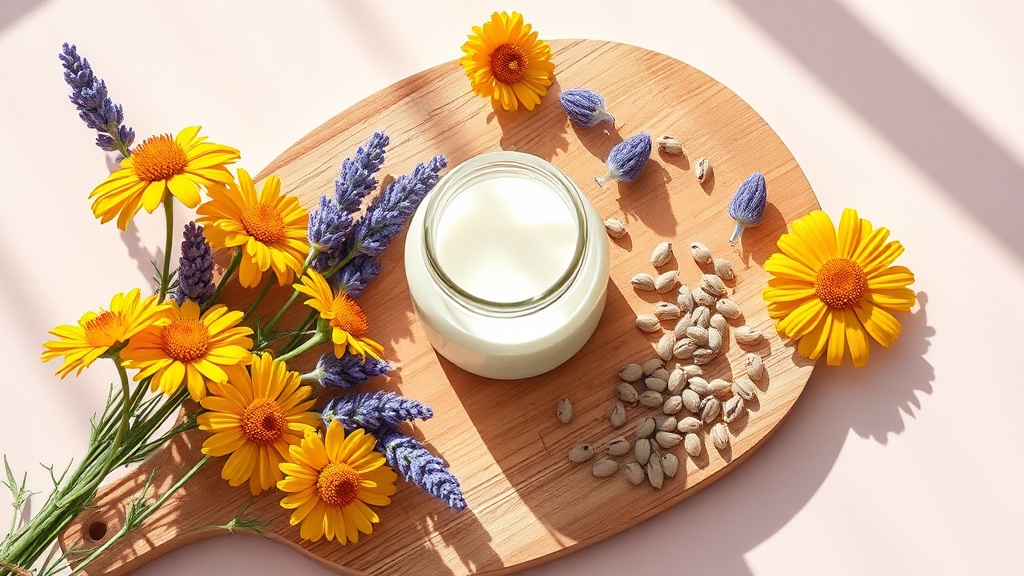
Spring Herbal First Aid Kit: 7 Essential Herbs & How to Use Them Safely

Ever feel a minor cut, a sudden headache, or stress flare‑up and wish you had a natural remedy at hand? As a former research librarian turned clinical herbalist, I’ve seen the confusion when people turn to unvetted TikTok trends or vague “miracle cures.” Let’s cut through the noise and build a practical, evidence‑backed herbal first aid kit for spring.
Why a Spring Herbal First Aid Kit?
Spring means fresh starts, but also new allergies, outdoor scrapes, and seasonal stress. A well‑curated kit lets you address these issues quickly, safely, and without over‑relying on pharmaceuticals.
What herbs belong in a spring first aid kit?
Here are seven versatile herbs, each supported by peer‑reviewed research, that you can keep on a kitchen shelf or in a small pouch.
1. Calendula (Calendula officinalis) — Soothing Skin Salve
Calendula’s anti‑inflammatory flavonoids make it ideal for minor cuts, burns, and insect bites. A simple infused oil or salve can speed healing and reduce redness. (PubMed study, 2019)
2. Chamomile (Matricaria chamomilla) — Gentle Anti‑Inflammatory Tea
Chamomile’s apigenin content calms inflammation and eases mild stomach upset — great for post‑garden tea breaks. (NIH, 2021)
3. Lavender (Lavandula angustifolia) — Relaxing Aromatherapy
Inhale lavender oil or apply a diluted spray to ease tension headaches and anxiety. The evidence shows a measurable drop in cortisol levels. (Healthline, 2023)
4. Peppermint (Mentha × piperita) — Quick Headache Relief
Menthol’s cooling effect can alleviate tension headaches when applied topically or inhaled. (Mayo Clinic, 2022)
5. Echinacea (Echinacea purpurea) — Immune Support During Allergy Season
Echinacea stimulates macrophage activity, helping you fend off colds when pollen counts rise. (WebMD, 2023)
6. Arnica (Arnica montana) — Bruise & Muscle Soreness Cream
Topical arnica gel reduces bruising and muscle soreness after a hike or gardening session. (PubMed, 2017)
7. St. John’s Wort (Hypericum perforatum) — Light‑Mood Balancer
For mild, seasonal mood dips, a low‑dose tincture can help regulate serotonin — just watch for herb‑drug interactions. (NIH, 2020)
How to assemble your kit?
- Gather dried herb material or high‑quality tinctures from reputable sources.
- Store dried herbs in airtight glass jars, labeled with date and purpose.
- Prepare simple carriers: olive oil for calendula salve, witch hazel for arnica spray, and a 30 % alcohol base for tinctures.
- Print a one‑page cheat sheet (see below) and keep it in your kitchen drawer.
Quick‑Reference Cheat Sheet
Calendula — Salve for cuts & burns
Chamomile — Tea for stomach & calm
Lavender — Aromatic spray for tension
Peppermint — Oil for headaches
Echinacea — Immune boost during allergies
Arnica — Gel for bruises
St. John’s Wort — Low‑dose tincture for mood (check meds)
Safety First: What to watch out for
My “safety‑first rule” is simple: never assume an herb is harmless. Check for known interactions — especially St. John’s Wort with antidepressants, blood thinners, or birth control. Keep all herbs out of reach of children, and start with a tiny dose to gauge tolerance.
Where to learn more?
- Adaptogen Showdown: Ashwagandha, Rhodiola, Holy Basil — deeper dive into stress‑relief herbs.
- Herbal Immunity Boosters: Echinacea, Elderberry, Astragalus — broader immune support.
- Spring Gardening Kickoff: 5 easy kitchen herbs to grow.
- Spring Cleaning Your Supplement Cabinet: Safe supplement audit.
Takeaway
Building a spring herbal first aid kit is a small, science‑backed step toward seasonal resilience. Stock these seven herbs, respect their individual safety profiles, and you’ll have a natural toolbox ready for the inevitable cuts, colds, and stressors that spring brings.