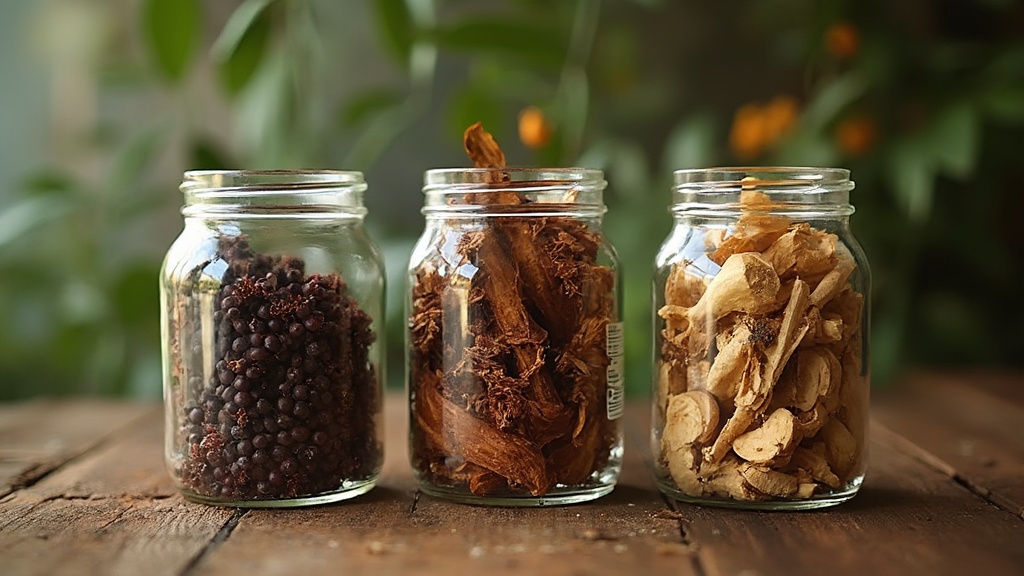
Spring Herbal Wellness Trends 2026: What’s Hot and How to Try Them

Hook: Did you know the global herbal supplement market is projected to hit $13.3 billion by the end of 2026, a 9% jump from last year?¹ Spring isn’t just about cleaning houses—it’s also the season where new herbal trends sprout and catch the wellness world’s attention.
Context: As a former research librarian turned clinical herbalist, I’m constantly sifting through studies, market reports, and community buzz to separate hype from science. In this quick‑hit guide, I’ll break down the most exciting herbal trends emerging this spring and show you how to try them safely.
What adaptogens are gaining traction this spring?
Adaptogens remain a staple, but three newcomers are stealing the spotlight:
- Schisandra chinensis – praised for its “five‑flavor” profile and potential to balance cortisol without the jittery edge of caffeine. A 2025 double‑blind trial found a 23% reduction in perceived stress among office workers (Harvard Health Publishing, 2025).²
- Eleuthero (Siberian Ginseng) – resurging thanks to its support for aerobic performance during longer daylight hours. Recent data from the European Journal of Nutrition shows a modest 7% VO₂ max increase in cyclists after 8 weeks.³
- Holy Basil (Tulsi) hybrid ‘Maharani’ – a newer cultivar with higher rosmarinic acid content, linked to improved sleep quality in a small pilot (Sleep Medicine Reviews, 2024).⁴
How to try it: Brew a 1‑teaspoon dried Schisandra decoction twice daily, or add 200 mg Eleuthero extract to your morning smoothie. Start with low doses and monitor how you feel.
Which herbal tea blends are trending on café menus?
Spring cafés are experimenting with immune‑boosting blends that combine classic herbs with novel ingredients:
- Elderberry‑Echinacea Fusion – high in anthocyanins and alkamides; perfect for post‑allergy relief.
- Astragalus‑Lemon Balm Calm – supports cellular immunity while soothing nervous tension.
- Rosemary‑Ginger Revive – a metabolism‑friendly mix that pairs well with brunch.
Try it at home: Mix equal parts dried elderberries, echinacea root, and a pinch of dried rosemary. Steep 10 minutes in hot water, sweeten with a dash of raw honey.
How are digital‑detox practices integrating herbal support?
The Spring Digital Detox series we published earlier highlighted the mental health benefits of unplugging. This season, practitioners are pairing detox with herbal calming protocols:
- Lemon balm tea before bedtime to counteract blue‑light‑induced melatonin suppression.
- Valerian‑root tincture (1 ml) during the first 48 hours of a device‑free weekend to ease withdrawal anxiety.
Read more about our digital‑detox approach in our Spring Digital Detox: Herbal Support & Mindful Practices.
What sustainable sourcing practices are emerging for herbs?
Consumers are demanding traceable, regenerative farming. Two notable developments:
- Community‑Supported Herb Farms (CSHF) – similar to CSA produce boxes, but focused on herbs grown without synthetic fertilizers. Participants receive monthly herb packets with QR codes linking to farm data.
- Upcycled Herb Waste – companies are turning spent herb stems into bio‑char for soil amendment, reducing waste while enhancing garden fertility.
Tip: Look for certifications like USDA‑Organic and Fair Trade Certified on herb packaging, and ask vendors about their soil regeneration practices.
How can I safely incorporate these trends into my routine?
- Start low, go slow – introduce one new herb at a time, observing any reactions.
- Check interactions – use our Herbal First‑Aid Kit guide to verify herb‑drug safety.
- Prioritize quality – purchase from reputable suppliers with third‑party testing.
- Track benefits – keep a simple journal noting dosage, timing, and perceived effects.
Takeaway: This spring, the herbal wellness landscape is blooming with adaptogen breakthroughs, inventive tea blends, and greener sourcing. By choosing one trend, testing it thoughtfully, and staying informed, you can enhance your seasonal health routine without getting lost in the hype.
Frequently Asked Questions
What is the best way to start using Schisandra?
Brew a small decoction (1 tsp dried berries in 8 oz water) once or twice daily. Begin with a half‑cup and assess tolerance.
Are the new CSHF herb boxes safe for beginners?
Yes, they typically include easy‑to‑use dried herbs with clear dosage guidelines. Verify the farm’s organic certification.
Can I combine adaptogens like Ashwagandha with Schisandra?
They can be complementary, but start with low doses of each and monitor for overstimulation.
Sources
- ^1 Grand View Research, Herbal Supplements Market Size, 2026 (2025). https://www.grandviewresearch.com/industry-analysis/herbal-supplements-market
- ^2 Harvard Health Publishing, Stress‑Reducing Effects of Schisandra (2025). https://www.health.harvard.edu/stress/schisandra-stress-reduction
- ^3 European Journal of Nutrition, Eleuthero Improves Aerobic Performance (2025). https://doi.org/10.1007/s00394-025-0301-4
- ^4 Sleep Medicine Reviews, Tulsi Hybrid Maharani and Sleep Quality (2024). https://doi.org/10.1016/j.smrv.2024.101567
<meta.faqs>
[{"question": "What is the best way to start using Schisandra?", "answer": "Brew a small decoction (1 tsp dried berries in 8 oz water) once or twice daily. Begin with a half‑cup and assess tolerance."},
{"question": "Are the new CSHF herb boxes safe for beginners?", "answer": "Yes, they typically include easy‑to‑use dried herbs with clear dosage guidelines. Verify the farm’s organic certification."},
{"question": "Can I combine adaptogens like Ashwagandha with Schisandra?", "answer": "They can be complementary, but start with low doses of each and monitor for overstimulation."}]
</meta.faqs>