Spring Sustainable Picnic Guide: Zero‑Waste Ideas for Outdoor Gatherings

Hook
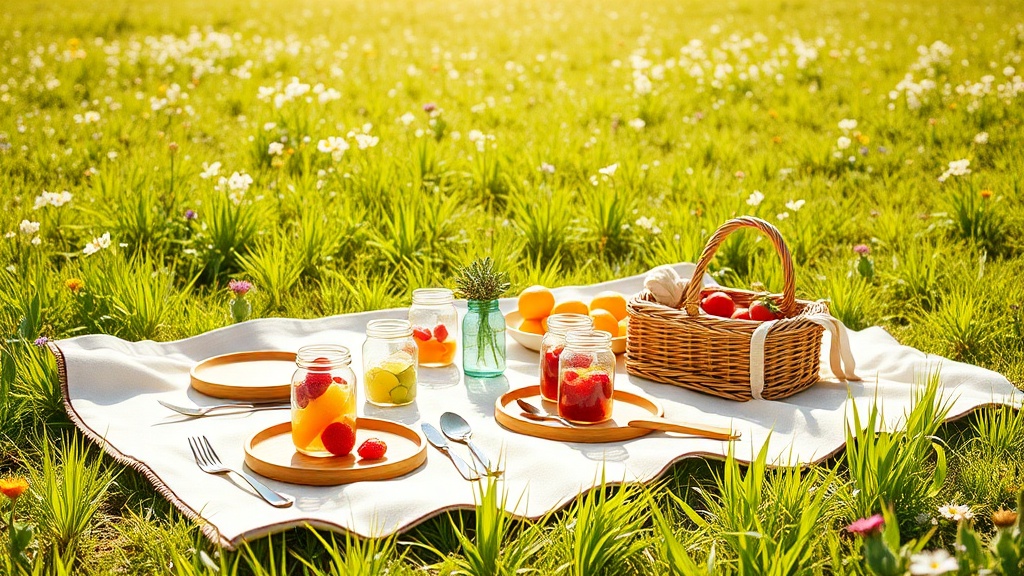
Imagine a sun‑kissed meadow, a wicker basket brimming with fresh, locally‑sourced snacks, and zero waste left behind—just you, friends, and the gentle hum of spring. Ready to make that vision a reality?
Context
Longer daylight hours and milder temperatures make March the perfect window for outdoor gatherings. At the same time, the #ZeroWastePicnic movement is exploding on Instagram and TikTok, proving that people want to celebrate nature without leaving a litter trail. As a clinical herbalist and former research librarian, I’ve learned that a sustainable picnic is as much about mindful preparation as it is about the food on the blanket.
What are the essential reusable items for a zero‑waste picnic?
Start with a solid foundation of reusable gear. Below is a quick inventory you can assemble over a weekend:
- Bamboo or stainless‑steel plates — lightweight, dishwasher‑safe, and free of BPA.
- Glass or stainless‑steel food jars — perfect for salads, fruit, and dips.
- Reusable silicone bags — ideal for nuts, crackers, or pre‑portioned herbs.
- Cloth napkins — cotton or linen, wash after use.
- Stainless‑steel cutlery set — fork, knife, spoon, and a small pair of scissors.
- Reusable water bottle or insulated tumbler — keep drinks cold without single‑use plastic.
- Compostable or biodegradable plates (optional) — for guests who prefer disposables but still want a low‑impact option.
All of these items are available at Reusables.org and many local zero‑waste stores.
How can I source locally‑grown, seasonal snacks that stay fresh outdoors?
Spring produces an abundance of fresh produce that travels short distances, reducing carbon footprint and preserving flavor. Here’s a three‑step plan:
- Visit a farmer’s market early on Saturday. Look for crisp radishes, snap peas, strawberries, and edible flowers.
- Choose herbs you already grow—mint, basil, or lemon balm add bright flavor and double as a natural insect repellent (see Spring Herbal Wellness Trends 2026).
- Pre‑portion in glass jars with a squeeze of lemon juice to prevent oxidation. Keep them in an insulated cooler with reusable ice packs.
Tip: A simple fruit salad with berries, diced kiwi, and a drizzle of local honey stays delicious for up to four hours.
What biodegradable cleanup tools keep the meadow pristine?
Even with reusable plates, you’ll generate some organic waste—fruit cores, herb stems, and napkins. Bring these tools:
- Compostable bags (certified ASTM D6400) for fruit waste.
- Biodegradable wipes made from bamboo fibers for quick hand cleaning.
- Portable hand‑washing station — a small bucket with a solar‑powered pump and a biodegradable soap such as EcoWash.
After the picnic, pack the compostable waste into a sealed bag and drop it at your local municipal compost drop‑off (most cities list locations on the EPA’s recycling guide).
How do I incorporate low‑impact activities that enhance the outdoor experience?
Beyond food, consider activities that celebrate nature without adding waste:
- Guided herb walk — bring a small field guide (or the Herbal Remedy Cabinet guide) and point out edible wild greens.
- DIY bird‑feeder craft — repurpose a clean tin can, fill it with sunflower seeds, and hang it from a tree.
- Zero‑waste game — a scavenger hunt where participants collect only natural items (pine cones, leaves) and document them with a phone camera.
What are the common pitfalls and how can I avoid them?
Forgot to bring a cooler? Warm foods spoil quickly and can attract insects. Pack a lightweight cooler bag or a simple insulated tote.
Mixing reusable and single‑use items? It’s easy to slip a plastic fork into a reusable set. Lay out all gear beforehand and double‑check.
Leaving food waste behind? Designate a “trash‑and‑compost” spot on the blanket with a reusable canvas bag. Make it a habit to clear the area before you leave.
Takeaway
With a thoughtful checklist, a few reusable tools, and locally‑sourced snacks, you can host a spring picnic that honors the earth as much as it delights the palate. Pack, pause, and then enjoy—knowing you’ve left only footprints and happy memories.
Related Reading
- Eco‑Friendly Spring Cleaning: Room‑by‑Room, Low‑Cost, Science‑Backed Solutions — quick tips for post‑picnic cleanup.
- Spring Kitchen Deep Clean: Eco‑Friendly Tips for a Fresh Start — prep your kitchen for picnic prep.
- Spring Herbal First‑Aid Kit: 7 Essential Herbs & How to Use Them Safely — natural remedies for minor cuts or bites.
- Spring Allergy Relief: Proven Natural Remedies & Home Adjustments — keep pollen symptoms at bay while you dine outdoors.
- Spring Herbal Wellness Trends 2026 — discover which herbs are in season for your picnic menu.