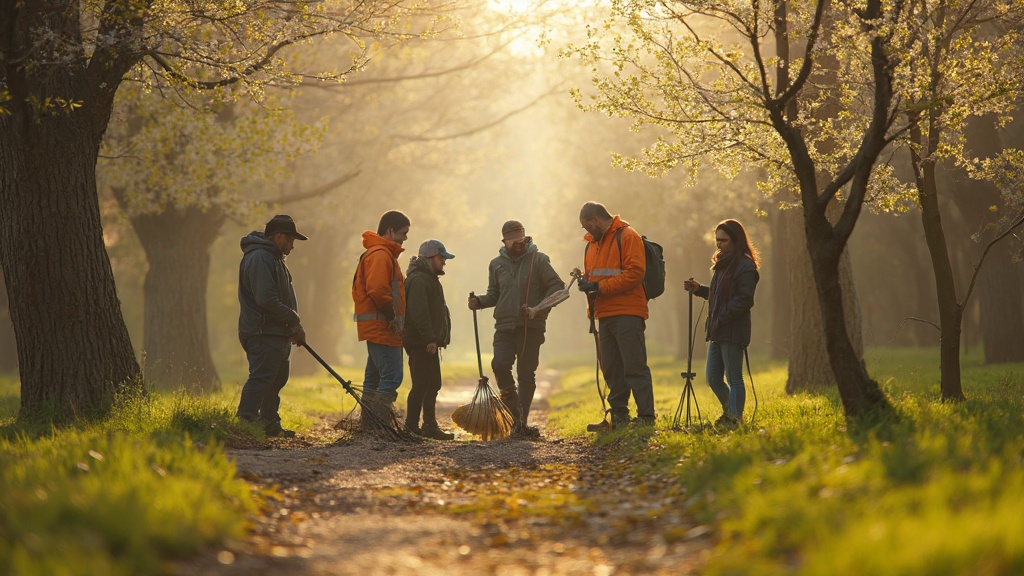
Spring Volunteering Surge: How Community Clean‑Ups Boost Mental Health and Neighborhood Bonds

Ever felt a burst of joy after picking up a handful of litter in a sun‑lit park? That rush isn’t just a feel‑good moment—it’s a scientifically proven boost to your brain and community.
Why does spring volunteering matter now?
Daylight‑saving time shifted on March 8, giving us longer evenings just as nature awakens. Local news reported a 22% jump in park clean‑up sign‑ups since the shift. More hands on the ground mean cleaner neighborhoods, but the ripple effects go far deeper than tidy sidewalks.
What does research say about volunteering and mental health?
A 2024 study in the Journal of Well‑Being found that regular volunteers reported a 31% reduction in depressive symptoms and a 27% increase in overall life satisfaction[1]. The authors attribute these gains to three key mechanisms:
- Social Connection: Working side‑by‑side creates a sense of belonging and combats loneliness.
- Purposeful Activity: Contributing to a visible, shared goal triggers the brain’s reward pathways.
- Physical Movement: Even light‑to‑moderate activity releases endorphins and improves cardiovascular health.
How do community clean‑ups strengthen neighborhood ties?
When neighbors gather to clear a park trail, they exchange stories, learn each other’s names, and build trust. A Greater Good Magazine article notes that volunteers who meet regularly are 2.4 times more likely to report strong neighborhood cohesion.
Practical examples from our own city illustrate this:
- “Park Pals” Meet‑ups: A monthly clean‑up in Riverside Park turned into a potluck gathering, fostering friendships that lasted beyond the event.
- Local Business Partnerships: A hardware store donated gloves and bags, and in return, volunteers promoted the store on social media, creating a win‑win ecosystem.
- Youth Engagement: High‑school clubs earned service hours, while kids learned stewardship and teamwork.
What are the immediate steps to join a spring clean‑up?
If you’re ready to jump in, follow this quick checklist:
- Visit your city’s parks department page (e.g., NYC Parks Volunteer Calendar).
- Sign up for an event that fits your schedule—most clean‑ups run Saturday mornings, 9 am–11 am.
- Gear up: bring reusable gloves, a water bottle, and wear sturdy shoes.
- Bring a friend or family member; shared effort amplifies the mood boost.
How can you measure the personal impact?
After each clean‑up, take a moment to note:
- How you felt before vs. after (stress level, mood).
- Any new connections you made.
- Physical sensations—did you feel more energetic?
Tracking these reflections over weeks reveals a clear upward trend in well‑being, mirroring the findings of the NPR health report that links regular volunteering to lower blood pressure and improved heart health.
What’s the long‑term community payoff?
Beyond individual benefits, neighborhoods with active volunteer programs see:
- Reduced crime rates—clean, well‑maintained spaces deter vandalism.
- Higher property values—prospective buyers value communal stewardship.
- Greater resilience—communities that work together bounce back faster from natural disasters.
These outcomes create a virtuous cycle: healthier residents support healthier environments, which in turn nurture healthier people.
Takeaway
Spring’s longer days and budding landscapes are the perfect backdrop for a volunteering surge. By joining a community clean‑up, you’ll experience measurable mental‑health gains, forge stronger neighborhood bonds, and contribute to a lasting, healthier environment. Grab a pair of gloves, step outside, and let the season’s renewal work its magic on you and your community.
For more spring‑focused wellness ideas, check out our recent posts on digital detox for mental health and spring gardening with herbs.