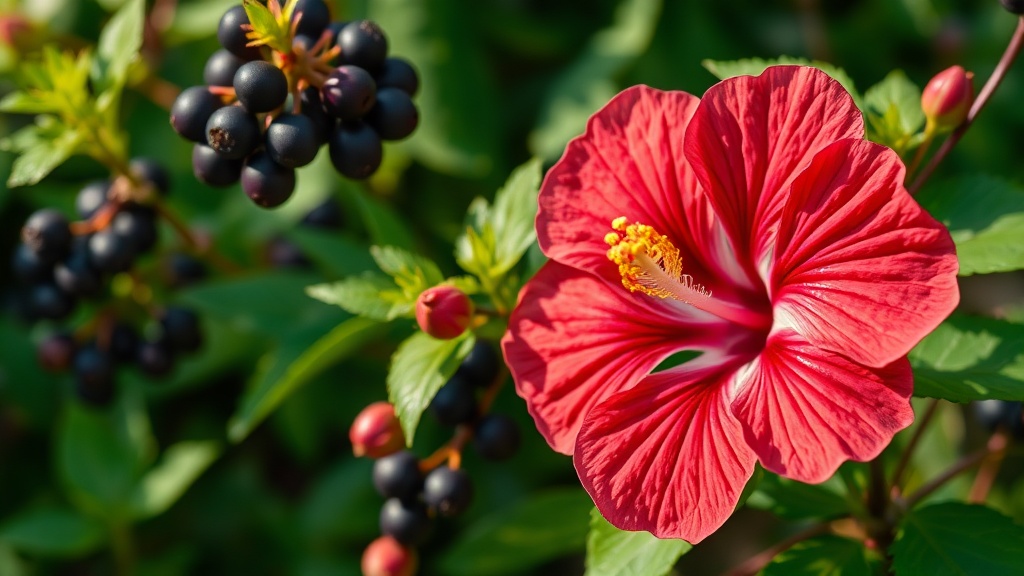
Understanding Elderberry and Hibiscus for Seasonal Support

What you will learn about seasonal berry and flower support
In this guide, we are looking at the practical application of two widely used botanical tools: elderberry (Sambucus nigra) and hibiscus (Hibiscus sabdariffa). We will examine how these plants interact with the body, the evidence behind their use, and how to use them safely without falling for the hype surrounding "miracle cures." You will learn about the specific phytochemicals involved, the proper ways to prepare them, and what the actual research says about their efficacy during seasonal shifts.
The wellness world is full of loud claims, but when we strip away the marketing, we find interesting biological mechanisms. Elderberry is often touted as a shield against seasonal bugs, while hibiscus is frequently used for its high antioxidant profile. Neither is a magic bullet, but both have measurable properties that make them worth a spot in your pantry.
Why do people use elderberry during seasonal shifts?
Elderberry has been a staple in traditional herbalism for centuries, but its reputation in modern wellness often outpaces the actual data. From a botanical standpoint, the fruit is rich in anthocyanins—the pigments that give berries their deep purple color. These compounds are potent antioxidants. Some studies suggest that elderberry may interfere with how certain viruses attach to cell receptors, though the evidence is still being debated in clinical settings.
A notable study published via the National Institutes of Health (NIH) suggests that elderberry extract might reduce the duration and severity of certain respiratory symptoms. However, it is not a preventative medicine you take every day regardless of symptoms. It is a tool used when you feel that first scratchy throat or heavy feeling in your chest. It is important to note that raw elderberries are actually toxic; they contain cyanogenic glycosides that must be neutralized through heat. Never consume raw berries or stems.
When using elderberry, you aren't looking for a cure—you are looking for a way to support your body's natural defenses. It's a supplemental approach, not a replacement for medical-grade intervention or sleep.
Is hibiscus tea effective for antioxidant support?
Hibiscus is often viewed through the lens of flavor, but its nutritional profile is quite substantial. The dried calyces (the fleshy part of the flower) are packed with Vitamin C and organic acids. While many people drink it for the tart, cranberry-like taste, the real benefit lies in its ability to support blood pressure and provide a high dose of polyphenols.
According to research found on PubMed, hibiscus has been studied for its effects on cardiovascular health and its ability to support healthy blood pressure levels in certain populations. It is a much more complex plant than a simple herbal tea. It provides a metabolic nudge through its high acidity and antioxidant capacity, which can be helpful for those looking to support their circulatory system naturally.
Because hibiscus is slightly acidic, it can be a bit hard on tooth enamel if consumed excessively. If you're a regular drinker, consider rinsing your mouth with plain water after your cup to keep your teeth happy. It's a small detail, but one that matters for long-term daily wellness.
Can I combine these two in a blend?
Mixing elderberry and hibiscus is common because they share a similar flavor profile: tart, deep, and slightly fruity. From a practical standpoint, combining them allows you to create a nutrient-dense infusion that serves both as a delicious beverage and a functional tonic.
If you want to make a homemade syrup or a concentrated tea, keep these ratios in mind:
- For a syrup: Use a cooked elderberry base with a honey or agave sweetener. The acidity of the hibiscus can help balance the sweetness.
- For a tea: Use a ratio of 2 parts hibiscus to 1 part dried elderberry (ensure the elderberry is the cooked, prepared variety) for a balanced flavor.
It is helpful to think of these as seasonal supports rather than daily staples. If you are feeling robust and healthy, you might not need them every single day. But when the weather turns and the air gets crisp, having these on hand provides a reliable way to support your system's natural rhythm.
Safety and Precautions
Even natural substances have side effects. If you are on blood pressure medication, be cautious with hibiscus, as it may interact with your dosage. If you have an autoimmune condition, the immune-stimulating properties of elderberry might not be ideal for you. Always consult with a healthcare professional if you are managing a chronic condition or are pregnant. We are looking at plants to support health, not to bypass professional medical advice.
The way you prepare these botanicals determines their safety and efficacy. A quick simmer for a tea is one thing, but a long-term extraction (like a tincture) requires different precision. Stick to the basics: high-quality dried flowers and berries, clean water, and consistent temperatures. This is the most effective way to ensure you're getting what you expect from your herbs.