Why Lemon Balm and Passionflower Work Together for Sleep

Imagine it's 11:15 PM. You've finished your wind-down routine, your phone is in another room, and your bed is perfectly cool—yet your brain won't stop looping through that awkward conversation from three years ago. You aren't experiencing a lack of sleep; you're experiencing a lack of physiological transition from wakefulness to rest. This post explores how two specific nervines—lemon balm and passionflower—interact with your nervous system to facilitate that transition, moving away from the idea of "sleep pills" and toward the reality of botanical support.
While many people reach for heavy-duty sleep aids when they can't drift off, there is a massive difference between being sedated and being calm. Sedation is a blunt instrument; botanical support is more like a gentle nudge. We're looking at how these plants work with GABA receptors and why the synergy between them matters for those dealing with restless-brain syndrome.
Can Lemon Balm Help with Restlessness?
Lemon balm (*Melissa officinalis*) is a member of the mint family, and it's much more than just a pleasant-smelling tea. From a biochemical standpoint, lemon balm is known for its ability to inhibit the enzyme GABA transaminase. To put that in plain English: it helps keep the GABA (gamma-aminobutyric acid) in your brain active for longer. GABA is the primary inhibitory neurotransmitter in your central nervous system—the one responsible for telling your neurons to "chill out."
When you're in a state of high sympathetic nervous system activity (the "fight or flight" mode), your brain is effectively screaming. Lemon balm acts as a gentle brake. It doesn't knock you out, but it lowers the volume of that internal noise. Because it's a gentle nervine, it's often used by people who feel "tired but wired." It provides a sense of mental clarity while simultaneously softening the edges of anxiety. You can find more on the chemical properties of Melissa officinalis through the National Institutes of Health (NIH) database to see the actual research regarding its effects on GABA levels.
Do Passionflower and Lemon Balm Work Better Together?
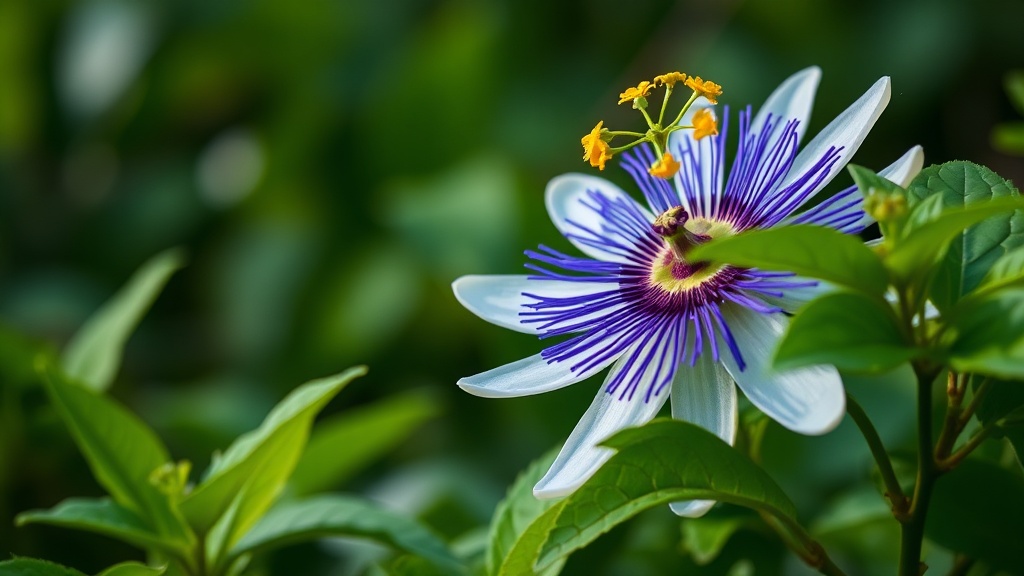
In the world of herbalism, we often talk about synergy—the idea that two substances can be more effective together than they are alone. Passionflower (*Passiflora incarnata*) is a powerhouse in this regard. While lemon balm works on the enzymatic side, passionflower is thought to act directly on GABA receptors. This creates a two-pronged approach to relaxation.
Think of it like this: if lemon balm is the person slowing down the music, passionflower is the person turning down the lights. They approach the task of relaxation from different angles. This is why you'll often see them paired in high-quality herbal tinctures or teas. Using them together can help address both the physical tension in the body and the mental chatter in the head. It's not a magic trick; it's a coordinated biological support system.
How Should I Use These Herbs for Best Results?
The way you consume these plants changes how they interact with your body. If you're using dried herbs for a tea (an infusion), the method of preparation is vital. Most people make the mistake of using boiling water and a quick steep, which barely extracts the active constituents. For a truly effective nervine tea, you want a long steep—at least 10 to 15 minutes—with a lid on the mug to prevent the volatile oils from escaping through the steam.
- Tinctures: Best for rapid absorption and when you don't want to drink a full cup of liquid right before bed.
- Tea: Best for the ritual of winding down; the warmth itself helps signal to the body that sleep is coming.
- Essential Oils: Great for aromatherapy, but they work differently (through the olfactory system) than ingestion.
It's also important to note that while these are generally safe, they aren't for everyone. If you are currently taking pharmaceutical-grade sedatives or anti-anxiety medications, you should consult your doctor before adding these to your routine. The interaction between herbal GABA-support and prescription medication can be significant. You can check the National Center for Complementary and Integrative Health (NCCIH) for more guidance on herb-drug interactions.
Is It Safe to Use These Herbs Every Night?
One of the biggest misconceptions in the wellness world is that you can use any herb indefinitely. While lemon balm and passionflower are relatively gentle, they are not "placebos." They are active botanical agents. For most healthy adults, using them as a tool for occasional restlessness is perfectly fine. However, building a total dependency on a botanical to sleep can sometimes mask an underlying issue, such as sleep apnea or a nutritional deficiency.
I recommend using them as a seasonal or situational tool. If you have a high-stress week, use them. If you're traveling and your rhythm is off, use them. This keeps your body's natural ability to regulate itself sharp. If you find yourself needing them every single night just to function, it might be time to look at your circadian rhythm, your light exposure, and your evening nutrition. The herbs are here to support your biology, not to replace it.
When you're choosing products, look for the Latin names on the label. If a label just says "Calming Blend," you have no idea what you're actually consuming. You want to see *Melissa officinalis* and *Passiflora incarnata*. This ensures you're getting the actual plant parts and not just flavored fillers. A little bit of research goes a long way in ensuring you're actually getting the relief you're looking for.