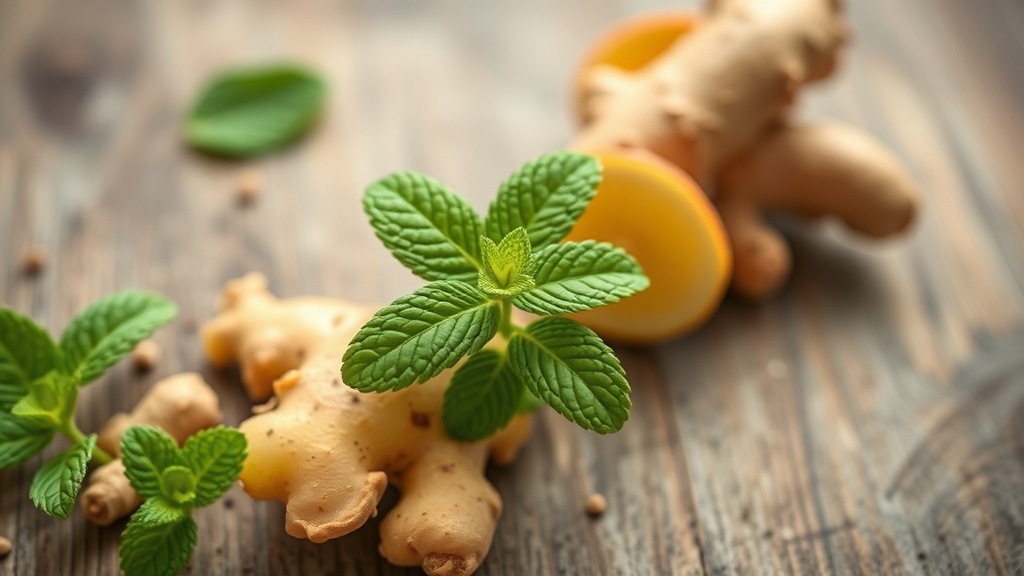
Why Peppermint and Ginger Might Be Your Best Digestive Allies

What makes peppermint and ginger effective for digestion?
You'll learn how peppermint oil and ginger root work through different biological pathways to soothe the gut, the specific ways to use them safely, and why more isn't always better. Understanding the distinction between a gentle tea and a concentrated extract is the difference between feeling better and feeling worse.
Digestive discomfort—whether it's that heavy, bloated feeling after a large meal or a sharp bout of nausea—often feels like an unpredictable guest. While the wellness industry loves to promote "miracle cures," the reality is much more grounded. Peppermint (Mentha × piperita) and Ginger (Zingiber officinale) are two of the most researched plants for digestive support, but they don't work the same way. If you've ever wondered why your peppermint tea helps with bloating but might actually make your heartburn worse, you're not alone. It's all about how these plants interact with your muscle tissue.
Peppermint is a carminative. This means it helps prevent the formation of gas and assists in its expulsion. The primary active constituent, menthol, acts as an antispasmodic. It relaxes the smooth muscles of the gastrointestinal tract. However, there is a catch: peppermint relaxes the lower esophageal sphincter (LES). If you suffer from acid reflux, relaxing that valve can allow stomach acid to creep upward. This is why a peppermint tea might feel great for a stomach cramp but can be a disaster for someone with chronic GERD (Gastroesophageal Reflux Disease). It's a trade-off you need to be aware of before you reach for a cup.
Ginger, on the other hand, works through a different mechanism. It is a prokinetic agent. Instead of just relaxing the muscles, ginger helps stimulate gastric emptying—the process of moving food from your stomach into the small intestine. It contains gingerols and shogaols, which stimulate digestive enzymes and increase motility. This makes it a powerhouse for nausea and that sluggish, "stuck" feeling after eating. Unlike peppermint, ginger doesn't typically relax the LES in a way that worsens reflux, making it a different tool for a different problem.
Which one should I use for bloating versus nausea?
Choosing between the two depends entirely on what your body is signaling. If your discomfort is characterized by cramping and gas, peppermint is often the go-to. If your discomfort involves a lack of appetite, nausea, or a sensation that your food is simply sitting in your stomach for hours, ginger is likely your best bet. I often tell my clients to look at the sensation: is it a tight, spasming feeling (peppermint) or a heavy, stagnant feeling (ginger)?
To use them effectively, consider these practical applications:
- For Mild Nausea: A fresh ginger infusion (steeping sliced ginger root in hot water for 10 minutes) is often more effective than a quick tea bag.
- For Gas and Bloating: A peppermint tea infusion or a high-quality, enteric-coated peppermint oil capsule can provide targeted relief.
- For Post-Meal Heaviness: A small amount of ginger tea can help kickstart the movement of food through the digestive tract.
However, we have to talk about the safety side. Even natural plants carry risks when used incorrectly. For instance, peppermint oil is incredibly potent. Taking pure peppermint essential oil internally without proper dilution or encapsulation can burn the mucous membranes of your throat. It's not a toy. Similarly, if you are on blood-thinning medication, you should be cautious with high doses of ginger, as it may have mild anti-platelet effects. You can find more detailed clinical data on ginger's pharmacological effects via the National Center for Biotechnology Information.
Are there side effects to using these herbs?
Yes, there are. Peppermint can exacerbate heartburn or acid reflux symptoms. If you have a history of hiatal hernia, you might want to skip the peppermint and stick to ginger. Ginger, while generally safe, can cause mild heartburn or stomach irritation in some people if taken in massive doses on an empty stomach. It can also interact with certain medications, particularly those for diabetes or blood pressure. Always check with a healthcare provider if you are managing a chronic condition.
Let's look at a quick comparison table to help you decide your next move:
| Symptom | Preferred Herb | Why? |
|---|---|---|
| Gas/Bloating | Peppermint | Relaxes intestinal spasms. |
| Nausea/Motion Sickness | Ginger | Speeds up gastric emptying. |
| Acid Reflux/Heartburn | Ginger | Peppermint can worsen reflux. |
| Stomach Cramps | Peppermint | Antispasmodic properties. |
When you're sourcing these, quality matters. The wellness industry is full of cheap, low-grade powders that have lost their volatile oils. If you're buying dried peppermint or ginger, ensure it's bright and has a strong, unmistakable aroma. If the dried ginger looks grey or lacks scent, it won't provide the therapeutic benefits you're looking for. For more information on food and herb safety standards, the FDA website offers excellent resources on how to identify high-quality products.
Ultimately, these plants are tools. They aren't magic, but when used with an understanding of how they interact with your biology, they are incredibly effective ways to manage daily discomfort. Listen to your body's specific signals—don't just follow a trend. If a remedy makes your reflux worse, stop using it, even if everyone else says it's "natural" and "good for you." Your biology is the final authority.