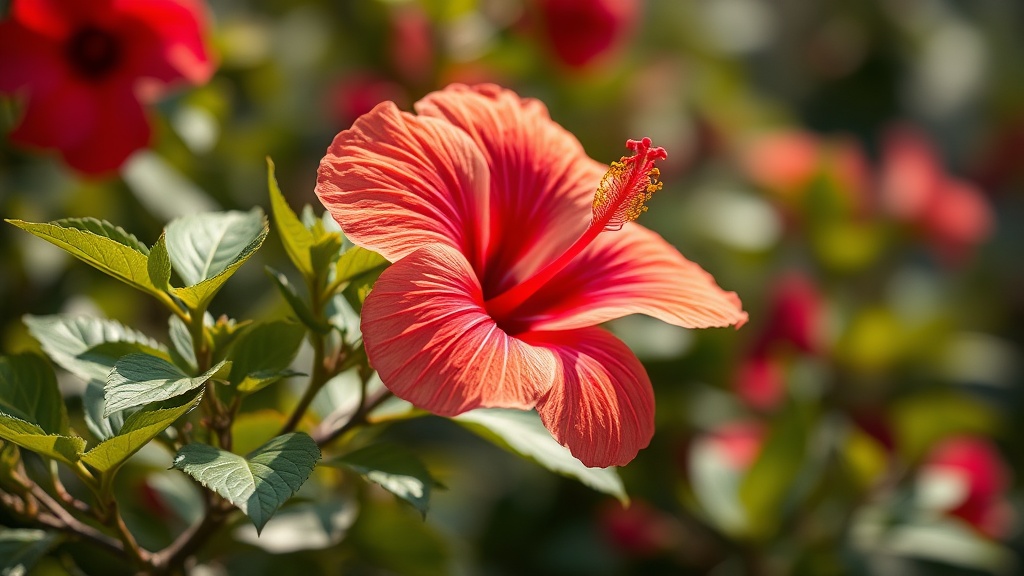
Why You Should Add Hibiscus to Your Afternoon Refreshment

The deep, crimson liquid swirls in a glass pitcher, catching the light of the afternoon sun. It is a sharp, vibrant red—the color of a crushed pomegranate—and the scent is a bracing mix of tart fruit and floral acidity. This is hibiscus, a botanical powerhouse that offers more than just a striking aesthetic; it provides a functional, caffeine-free way to support blood pressure and antioxidant status during the mid-afternoon slump. This guide explores the science behind Hibiscus sabdariffa, how to prepare it effectively, and how to integrate it into a wellness routine without falling for the hyperbolic claims found in many "superfood" marketing campaigns.
The Science of Hibiscus: Moving Beyond the Hype
In the wellness industry, you will often see hibiscus described as a "miracle cure" for hypertension. As someone who relies on clinical data rather than anecdotal testimonials, I suggest a more nuanced approach. While it is not a replacement for prescribed medication, the physiological effects of hibiscus are well-documented in several peer-reviewed studies.
The primary reason hibiscus is effective is its high concentration of organic acids, specifically citric and malic acid, and a significant profile of anthocyanins. Anthocyanins are the pigments responsible for that deep red color, and they function as potent antioxidants that help combat oxidative stress in the body. Research published in the Journal of Hypertension has suggested that regular consumption of hibiscus tea may assist in modestly lowering both systolic and diastolic blood pressure. This is often attributed to its natural diuretic properties and its ability to act as a mild ACE inhibitor.
Beyond cardiovascular support, hibiscus is an excellent source of Vitamin C. This makes it a functional tool for immune support, particularly when you are looking for a non-acidic way to supplement your intake. Unlike synthetic ascorbic acid supplements, the Vitamin C in hibiscus comes packaged with a complex matrix of polyphenols, which aids in bioavailability and overall metabolic function.
Key Nutritional Components
To understand why this plant works, you have to look at the specific phytochemicals it contains. When you are selecting a tea or a botanical supplement, look for these key components:
- Anthocyanins: These provide the antioxidant capacity and support vascular health.
- Proanthocyanidins: These compounds are known for their ability to support endothelial function (the health of your blood vessel linings).
- Organic Acids: These contribute to the signature tartness and can aid in digestion.
- Polyphenols: A broad category of plant compounds that help reduce systemic inflammation.
If you are looking for a way to bridge the gap between a midday energy dip and your evening wind-down, hibiscus is an ideal candidate. It provides a sensory "reset" without the jittery side effects of coffee or the heavy tannins found in black tea. If you find that you need a more grounding botanical for your afternoon, you might also consider adding Holy Basil to your midday routine to balance the acidity with adaptogenic support.
How to Prepare High-Quality Hibiscus Tea
The way you prepare your hibiscus determines both the flavor profile and the concentration of active constituents. Because hibiscus is a calyx (the fleshy part of the flower) rather than a leaf, it responds very well to heat, but it can become overly astringent if mishandled.
The Hot Infusion Method
This is the standard method for a quick, comforting cup. Use 1 to 2 tablespoons of dried hibiscus calyces per 8 ounces of water. Bring your water to a near-boil—about 200°F (93°C)—and pour it over the flowers. Let it steep for 5 to 7 minutes. A longer steep will increase the tartness and the "bite" of the tea. This method is best if you plan to drink the tea warm to soothe the digestive tract.
The Cold Brew Method (Recommended for Refreshment)
For a true afternoon refreshment, cold brewing is superior. This method extracts the flavors more gently, resulting in a smoother, less astringent liquid that is incredibly refreshing when served over ice. Place 1/2 cup of dried hibiscus in a liter jar of room-temperature water. Let it sit in the refrigerator for 8 to 12 hours. The result is a bright, crisp, and deeply colored infusion that mimics the experience of a fruit juice without the added sugars.
Flavor Pairing and Additions
Because hibiscus is naturally quite tart (resembling cranberry juice), it can be a bit much for those sensitive to acid. To balance the flavor, avoid refined white sugar, which can cause a blood sugar spike and subsequent crash. Instead, try these combinations:
- The Digestive Aid: Add a slice of fresh ginger and a cinnamon stick during the steeping process. The warmth of the ginger complements the tartness of the hibiscus.
- The Refreshing Spritz: Mix your strong hibiscus concentrate with sparkling mineral water (like Topo Chico) and a squeeze of lime. This creates a sophisticated, non-alcoholic botanical soda.
- The Gentle Sweetener: Use a small amount of raw honey or a few drops of stevia leaf extract to soften the edges of the acidity.
Practical Safety and Considerations
While hibiscus is generally recognized as safe (GRAS) by the FDA, it is not a "one size fits all" botanical. Because of its physiological effects, there are specific groups who should exercise caution.
Blood Pressure Medication: If you are currently taking medication for hypertension, consult your healthcare provider before making hibiscus a daily habit. Because hibiscus may naturally lower blood pressure, combining it with prescription medication could lead to hypotension (blood pressure that is too low).
Pregnancy and Nursing: There is limited research regarding the safety of high-dose hibiscus consumption during pregnancy. As a rule of caution in the herbal community, we recommend limiting hibiscus to occasional use rather than therapeutic doses during pregnancy or while breastfeeding.
Acidity Levels: If you struggle with chronic acid reflux or GERD, the high organic acid content in hibiscus might trigger discomfort. In these cases, try drinking it diluted or pairing it with a more alkaline botanical. If you are looking for a more soothing evening option to balance out a day of acidic or spicy foods, you might look into chamomile tea for an evening ritual.
Integrating Hibiscus into Your Wellness Routine
To get the most out of your botanical, consistency is more important than quantity. Drinking one cup of hibiscus tea once a month will not yield the cardiovascular benefits mentioned in clinical studies. Instead, aim for a regular ritual.
A practical way to implement this is to make a "batch brew" every Sunday evening. Prepare a large liter of cold-brewed hibiscus tea and store it in a glass carafe in your refrigerator. This ensures that when the 3:00 PM slump hits, you have a ready-to-go, functional beverage that is far more nutritious than a soda or a processed energy drink.
By treating hibiscus as a functional tool rather than just a colorful ingredient, you can leverage its antioxidant and cardiovascular-supporting properties to enhance your daily well-being. It is a perfect example of how simple, plant-based additions can provide meaningful support when approached with both intention and scientific understanding.