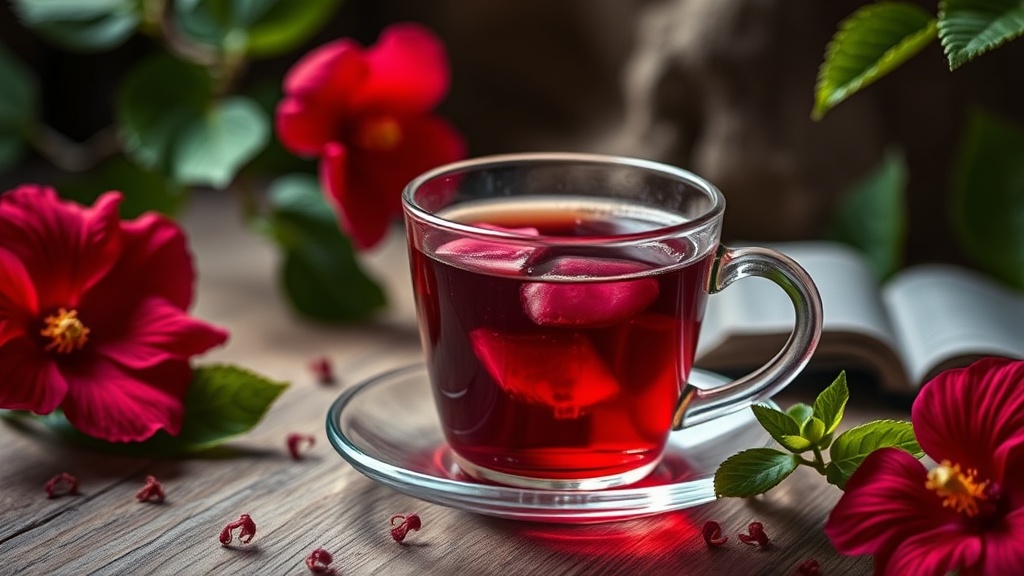
Why Your Hibiscus Tea Might Be Doing More Than Just Tasting Tart

Roughly 75% of the global population consumes tea regularly, yet most people view a cup of hibiscus as just a colorful, fruity beverage. While its vibrant crimson hue is visually striking, the chemical profile of Hibiscus sabdariffa—the plant responsible for that deep red color—is much more complex than its flavor profile suggests. This plant isn't just a caffeine-free treat; it contains specific organic acids and anthocyanins that interact with human physiology in measurable ways. Understanding how these compounds work helps separate the marketing hype from the actual physiological effects.
If you've ever wondered why a glass of iced hibiscus tea feels particularly refreshing after a long day, it isn't just a placebo effect. The plant contains high concentrations of organic acids, particularly citric and malic acid, which can influence metabolic processes. However, it's vital to look past the "superfood" labels and focus on the actual botanical properties. We aren't interested in magic; we're interested in how a plant's secondary metabolites interact with your biology.
Does Hibiscus Tea Affect Blood Pressure?
One of the most common reasons people reach for hibiscus is its documented effect on vascular health. Several clinical studies have investigated the relationship between hibiscus consumption and blood pressure regulation. For instance, research published in the Journal of Nutrition suggests that regular consumption may assist in managing systolic and diastolic pressure. This isn't a replacement for medical-grade antihypertensives, but rather a dietary addition that supports cardiovascular function.
The mechanism likely involves the inhibition of the angiotensin-converting enzyme (ACE), a process similar to how certain pharmaceutical medications work. While I'm not a doctor, the data regarding its ability to support healthy blood pressure levels is consistent across several randomized controlled trials. If you are already taking blood pressure medication, you should talk to your healthcare provider before making hibiscus a daily staple, as it could potentially amplify the effects of your prescription.
The Role of Anthocyanins and Antioxidants
The deep red color of the tea isn't just for show. That color comes from anthocyanins—the same pigments found in blueberries and raspberries. These pigments serve as potent antioxidants that help combat oxidative stress within the body. Oxidative stress occurs when there is an imbalance between free radicals and antioxidants in your system, often leading to cellular damage. By introducing these pigments through your tea, you're providing your cells with tools to defend against this imbalance.
While you can get antioxidants from many sources, hibiscus offers a specific type of metabolic support. It's not about one "miracle" plant, but about the cumulative effect of a nutrient-dense diet. Using hibiscus as a tool for wellness is smart, provided you don't expect it to perform miracles without a foundation of good nutrition and rest.
Is Hibiscus Tea Safe to Drink Every Day?
For most people, drinking a cup or two of hibiscus tea daily is perfectly safe. However, there are nuances to consider. Because hibiscus has a diuretic effect (meaning it encourages fluid loss through urination), overconsumption might lead to dehydration if you aren't keeping up with your water intake. It's also quite acidic, which is something to keep in mind if you struggle with acid reflux or sensitive tooth enamel.
There are two specific groups who should exercise caution:
- Pregnant or breastfeeding individuals: There is limited research on the safety of high-dose hibiscus during pregnancy, so it's best to stick to moderate amounts or consult a professional.
- People on specific medications: As mentioned, its potential interaction with blood pressure and diabetes medications is a real factor to consider.
It's also worth noting that hibiscus is often sold as a "dietary supplement" or "tea," which means it isn't regulated with the same rigor as pharmaceutical drugs. Always look for high-quality, organic sources to ensure you aren't consuming heavy metals or pesticides along with your antioxidants.
How Much Hibiscus Should I Consume for Benefits?
There is no standardized "dose" for hibiscus because it is a food, not a drug. However, looking at the studies that showed positive results for blood pressure, the amounts used were often significant—sometimes involving multiple cups of concentrated tea or even extracts. If you're looking to incorporate it into your daily wellness routine, a standard cup of tea twice a day is a reasonable starting point.
To get the most out of your tea, consider these preparation tips:
- Temperature Matters: Use hot water to extract the full spectrum of flavors and compounds, but don't use boiling water directly on the leaves if you want to preserve the delicate volatiles; let the water sit for a minute after boiling first.
- Steep Time: A longer steep (about 5-10 minutes) will result in a deeper color and a more intense flavor profile, which is ideal for iced teas. - Avoid Added Sugars: Adding large amounts of sugar or honey can offset some of the metabolic benefits. If you need sweetness, try a small amount of stevia or simply enjoy the natural tartness.
For more detailed information on botanical safety and research, the National Center for Complementary and Integrative Health is an excellent resource for verifying the claims made by various wellness brands. It provides a scientific lens to view these traditional herbal practices through.
Whether you are drinking it for the flavor or for the potential cardiovascular support, hibiscus is a versatile plant that deserves a spot in your pantry. It’s a perfect example of how a simple botanical can offer more than just a pretty color—provided you approach it with a sense of informed caution rather than blind belief.