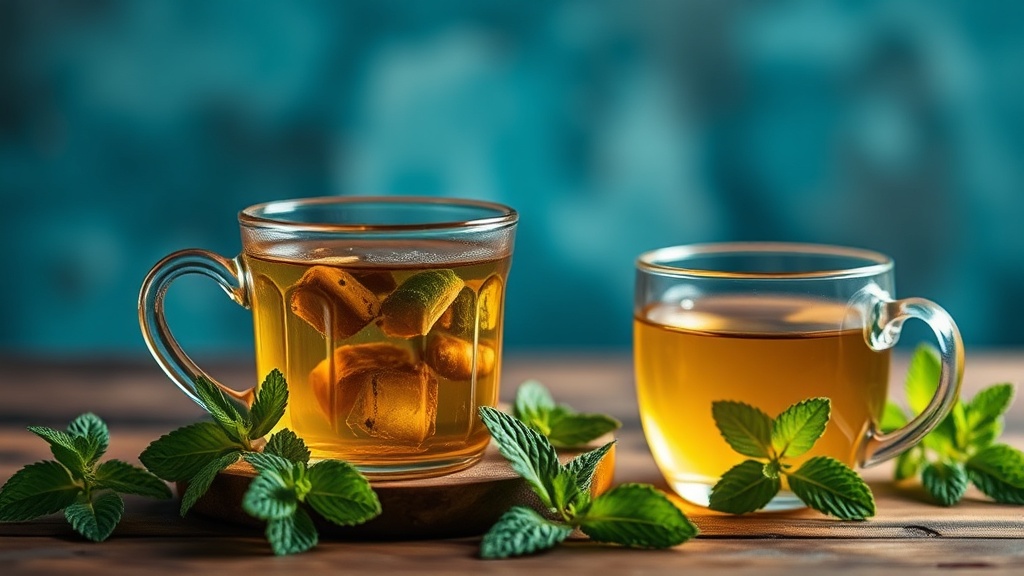
Why Your Peppermint Tea Might Not Be Enough for Digestion

Most people reach for a cup of peppermint tea the moment they feel a bit of bloating or indigestion, assuming it's a magic bullet for stomach discomfort. While peppermint is a wonderful tool, the idea that a single cup of tea can fix complex digestive issues is a common misunder way to look at herbalism. If your discomfort stems from low stomach acid or slow motility rather than excess gas, peppermint might actually cause more tension in your esophageal sphincter (the valve that keeps acid down). We need to look at the actual mechanics of how herbs interact with your digestive system.
Can Peppermint Help with Bloating and Gas?
Peppermint contains menthol, which acts as an antispasmodic. This means it helps relax the smooth muscles of the gut. When your intestines are cramping or you're feeling that sharp, twisting sensation of gas, peppermint can help ease those spasms. However, it isn't a universal fix. If your bloating is caused by a lack of digestive enzymes or slow digestion, simply relaxing the muscles might not address the root cause. It's a temporary relief, not a systemic solution.
For those dealing with actual discomfort, it helps to understand the difference between a carminative and a stimulant. A carminative is an herb that helps prevent gas from forming or helps expel existing gas. Peppermint is a carminative, but it's a gentle one. If you're looking for more significant support, you might need to look at herbs that stimulate the production of digestive juices or move things along more actively.
One thing to keep in mind: if you struggle with acid reflux or GERD, skip the peppermint. Because it relaxes the lower esophageal sphincter, it can allow stomach acid to creep back up into your esophagus, making heartburn much worse. This is a classic example of how a "healthy" herb can be counterproductive if used at the wrong time. You can read more about the physiological effects of menthol on smooth muscle via the National Center for Biotechnology Information to see how these chemical interactions work in a clinical setting.
Which Herbs Support Low Stomach Acid?
If you find that you feel heavy and sluggish after eating—especially after protein-rich meals—you might be dealing with low hydrochloric acid (HCL) levels. In this case, peppermint won't do much for you. Instead, you want herbs that are bitter. Bitters are the unsung heroes of the digestive tract. They stimulate the vagus nerve, which triggers the body to release saliva, gastric juices, and bile.
Common bitter herbs include:
- Gentian Root: One of the strongest bitters available. It's often used in tiny amounts to kickstart a sluggish stomach.
- Dandelion Root: Great for supporting liver bile production and gentle digestion.
- Artichoke Leaf: Known for helping the body process fats more effectively.
Using bitters before a meal—perhaps a few drops of a tincture or a small amount of bitter tea—can prepare your body for the food that's coming. It's about prepping the system rather than just reacting to the pain after it happens. It's a proactive approach to wellness that moves away from the "fix it later" mentality.
How to Use Ginger for Nausea and Digestion
While peppermint is great for spasms, ginger is the heavy hitter when it's time to move things through. Ginger is a prokinetic, meaning it helps stimulate the movement of the stomach and intestines. This is particularly useful if you feel like food is just "sitting" in your stomach for hours. It speeds up gastric emptying, which can be a huge relief for those with slow digestion.
Ginger also has warming properties. In traditional herbalism, it's used to increase circulation to the digestive organs. If you have a "cold" stomach (a term used to describe slow, sluggish digestion often accompanied by feeling cold or having a pale tongue), ginger is your best friend. It can be taken as a warm decoction or even infused into a tea. It's much more aggressive than peppermint, so if you're feeling a burning sensation or have an active ulcer, hold off on the ginger. It's a tool, not a universal cure-all.
For those interested in the chemical compounds like gingerols and their effect on inflammatory markers, the National Library of Medicine provides extensive research on how these substances interact with our biology. It's important to treat these plants with the respect a pharmaceutical-grade compound deserves.
A Comparison of Common Digestive Herbs
| Herb | Primary Action | Best For... | Avoid If... |
|---|---|---|---|
| Peppermint | Antispasmodic | Gas and cramping | Acid Reflux/GERD |
| Ginger | Prokinetic/Warming | Slow digestion/Nausea | Stomach ulcers |
| Gentian | Bitter/Stimulant | Low stomach acid | High acid/Gastritis |
Moving beyond the simple cup of tea requires a bit of discernment. It's not enough to just know that a plant is "good for you." You have to know what it actually does to your physiological state. Are you trying to relax a muscle (Peppermint)? Are you trying to speed up a process (Ginger)? Or are you trying to stimulate a secretion (Gentian)?
The more we understand these distinctions, the less we rely on the generic advice found in most wellness circles. A plant is a complex chemical factory, and its effects depend entirely on the context of your body's current needs. If you're feeling bloated, don't just reach for the peppermint blindly. Look at your symptoms, understand the mechanism, and choose the tool that actually fits the job. A little bit of research into your own symptoms goes a long way in making herbalism a functional part of your life.