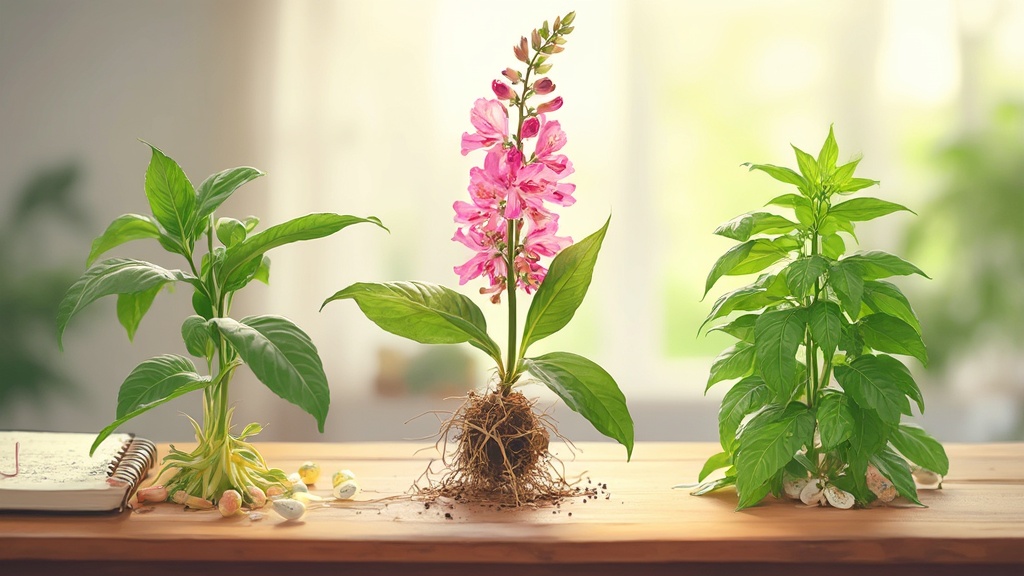
Adaptogen Showdown: Ashwagandha vs Rhodiola vs Holy Basil for Stress Relief

Hook: Ever feel like you’re juggling a million stressors and wonder if a single herb could actually calm the chaos? You’re not alone—adaptogens are the buzzword on wellness feeds, but which one truly lives up to the hype?
Context: In the past month we’ve dissected Ashwagandha’s supplement landscape, brewed a stress‑relief tea, and warned about the cortisol cocktail hype. Now it’s time to pit the three most‑talked‑about adaptogens—Ashwagandha, Rhodiola, and Holy Basil—against each other in a side‑by‑side, evidence‑based showdown.
What Are Adaptogens and Why Do They Matter?
Adaptogens are plant‑derived compounds that help the body adapt to stressors, supporting a balanced stress response without causing sedation. The term was coined in the 1940s, but modern research focuses on how specific herbs influence cortisol, neurotransmitters, and immune function.
"Adaptogens modulate the hypothalamic‑pituitary‑adrenal (HPA) axis, helping the body cope with physical and mental stress" — NIH Office of Dietary Supplements.
How Does Ashwagandha Stack Up for Stress Relief?
Evidence: A 2023 meta‑analysis of nine RCTs (558 participants) showed Ashwagandha reduced Perceived Stress Scale scores by an average of 4.7 points and lowered serum cortisol by ~2.6 µg/dL compared to placebo【1†https://pubmed.ncbi.nlm.nih.gov/39348746/】.
Pros:
- Well‑studied for anxiety and cortisol reduction.
- Generally safe at 300‑600 mg of standardized extract.
- Supports sleep quality when taken in the evening.
Cons:
- May cause mild GI upset in sensitive users.
- Interacts with thyroid medication (potentially increasing hormone levels).
Practical tip: Start with a low‑dose capsule and track your stress scores for two weeks. If you notice improvement, consider a split dose (morning + evening) for steady coverage.
Is Rhodiola Rosea a Better Choice for Energy and Mood?
Evidence: A 2022 systematic review of 12 trials (1,002 participants) reported Rhodiola reduced fatigue scores by 1.4 points on the Fatigue Severity Scale and modestly improved mood (SMD = ‑0.45)【2†https://pubmed.ncbi.nlm.nih.gov/36017529/】.
Pros:
- Fast‑acting (effects often felt within 30 minutes).
- Supports mental clarity and physical endurance.
- Low risk of sedation; can be taken earlier in the day.
Cons:
- Quality varies widely; look for ≥3% rosavins and ≥1% salidroside.
- May increase blood pressure at high doses.
Practical tip: Use a 200‑mg dose of a high‑quality extract before workouts or demanding mental tasks. Pair with a light carbohydrate snack to avoid jittery spikes.
Can Holy Basil (Tulsi) Help with Stress and Immunity?
Evidence: A 2021 randomized trial (120 adults) found Holy Basil lowered cortisol by 1.9 µg/dL and improved self‑reported stress after eight weeks of 500‑mg daily capsules【3†https://pubmed.ncbi.nlm.nih.gov/31517876/】.
Pros:
- Mild, pleasant flavor—great for teas.
- Offers anti‑inflammatory and immune‑support benefits.
- Generally well tolerated with few drug interactions.
Cons:
- Effects on cortisol are smaller than Ashwagandha’s.
- Limited data on long‑term safety beyond 12 weeks.
Practical tip: Brew a daily Tulsi tea (1 tsp dried leaves in hot water) and sip throughout the afternoon. Add a dash of honey for extra soothing.
Which Adaptogen Is Right for You? Practical Takeaways
- Primary goal is cortisol reduction? → Ashwagandha is the most robust choice.
- Need a quick boost for focus or exercise? → Rhodiola’s rapid onset makes it ideal.
- Looking for a gentle, daily ritual? → Holy Basil fits well into tea‑time routines.
- Budget matters? → Holy Basil and Rhodiola are often cheaper per dose than high‑potency Ashwagandha extracts.
- Medication interactions? → Check thyroid meds for Ashwagandha and blood‑pressure meds for high‑dose Rhodiola.
Bottom line: No single adaptogen beats the others across all metrics. Match the herb to your specific stress pattern, lifestyle, and health considerations.
Related Reading
- Ashwagandha Supplement Guide: Evidence, Safety, and How to Choose the Best One — Deep dive into Ashwagandha quality and dosing.
- How to Craft a Stress‑Relief Adaptogen Tea at Home — Simple Tulsi tea recipe.
- Cortisol Cocktail Trend: Stress Support or Sugary Placebo? — Why you might skip the pricey electrolyte mix.
- The Bioavailability Myth: Why That $60 Liquid Extract Isn't Magically Better — How to read supplement labels.
FAQ (Rich Snippet)
{
  "meta": {
    "faqs": [
      {"question": "Which adaptogen lowers cortisol the most?", "answer": "Ashwagandha has the strongest evidence for reducing cortisol levels, with meta‑analyses showing a reduction of around 2.5‑3 µg/dL compared to placebo."},
      {"question": "Can I take Ashwagandha and Rhodiola together?", "answer": "Both are generally safe together, but start with low doses and monitor for overstimulation or blood‑pressure changes, especially if you have thyroid or cardiovascular concerns."},
      {"question": "Is Holy Basil safe for pregnant women?", "answer": "Current research is limited; most experts advise pregnant or nursing individuals to avoid high‑dose Holy Basil supplements and stick to culinary use only."}
    ]
  }
}
Stay balanced, stay curious, and trust the science.