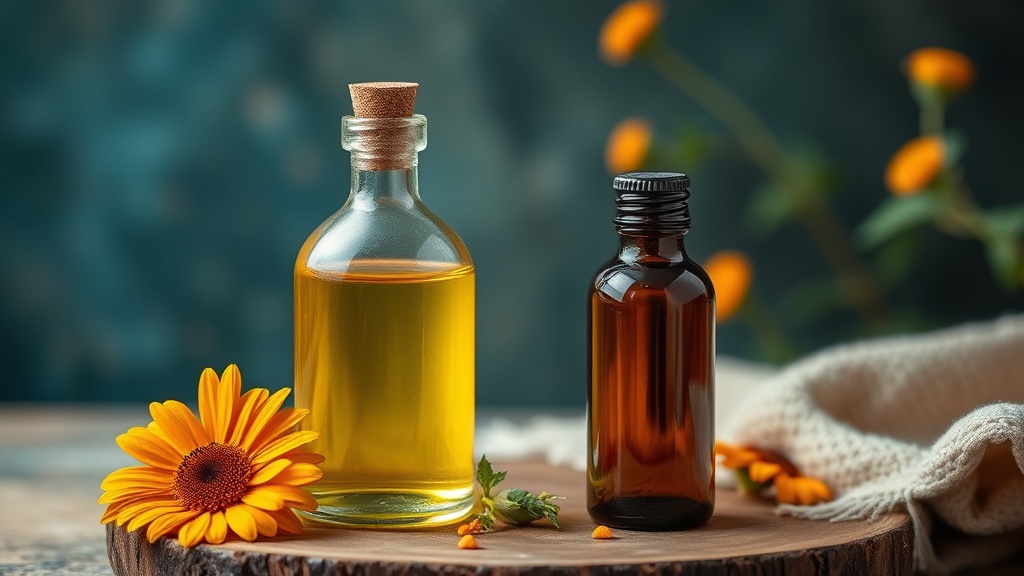
How to Make Your Own Calendula Infused Body Oil

A gardener notices a patch of dry, itchy skin on their forearms after a long afternoon of weeding in the sun. Instead of reaching for a synthetic, heavily scented lotion that leaves a film on the skin, they reach for a simple, amber-colored bottle of infused oil. This process of creating a calendula-infused body oil allows you to control the quality of your ingredients, ensuring that your topical treatments are free from synthetic fragrances and unnecessary preservatives. This guide provides a science-backed method for making a high-quality botanical oil at home using the bright, healing properties of Calendula officinalis.
Understanding the Benefits of Calendula
Calendula, often referred to as pot marigold, is highly regarded in clinical herbalism for its soothing and anti-inflammatory properties. The plant contains high concentrations of triterpenoids, flavonoids, and carotenoids. These compounds are essential for supporting skin integrity, particularly when dealing with minor irritations, dryness, or environmental exposure. Unlike many "miracle" claims found on social media, the efficacy of calendula is rooted in its ability to support the skin's natural barrier function.
When you infuse calendula into a carrier oil, you are performing a lipid-soluble extraction. The fat-soluble constituents of the flower—specifically the carotenoids which give the petals their vibrant orange hue—dissolve into the oil. This makes the oil an excellent topical tool for moisturizing the skin and providing a protective layer. It is a practical, evidence-based way to manage skin discomfort without relying on complex chemical formulations.
Selecting Your Ingredients and Equipment
To produce a shelf-stable and effective body oil, you must be precise with your selection of botanicals and carrier oils. Quality control is the difference between a professional-grade product and a rancid mess.
The Botanicals: Dried vs. Fresh
For this specific recipe, I strongly recommend using dried calendula flowers. While fresh flowers are wonderful for gardening, they contain a significant amount of water. If you use fresh flowers in an oil infusion, that residual water can lead to bacterial or fungal growth, causing your oil to go rancid or even develop mold. If you harvest your own, ensure they are completely dehydrated through a low-heat dehydrator or air-drying in a well-ventilated space before use.
Choosing a Carrier Oil
The carrier oil is your medium for extraction. You should choose an oil based on your skin type and how quickly you want the oil to absorb. Common options include:
- Sweet Almond Oil: A classic choice that is highly emollient and has a medium absorption rate. It is excellent for general body application.
- Fractionated Coconut Oil: This is a liquid version of coconut oil that remains stable at room temperature. It is very lightweight and absorbs quickly, making it ideal for those who dislike a greasy feeling.
- Jojoba Oil: Technically a liquid wax, jojoba is very close to human sebum. It is excellent for facial application or for those with acne-prone skin.
- Extra Virgin Olive Oil: A heavy, nutrient-dense option that is great for very dry skin or foot treatments, though it absorbs more slowly.
Necessary Equipment
You do not need a laboratory, but you do need clean, sterilized tools. Gather the following:
- Glass Mason jars (clean and thoroughly dried)
- Fine mesh strainer or cheesecloth
- Digital kitchen scale (for precise ratios)
- Amber glass bottles for final storage
- A thermometer (if using the heat method)
The Two Methods of Infusion
There are two primary ways to infuse your calendula: the Solar (Cold) Method and the Heat (Warm) Method. Both are effective, but they serve different timelines and needs.
Method 1: The Solar Infusion (Slow and Steady)
The solar method is the traditional way to make herbal oils. It is a low-stress method that relies on the consistent, gentle heat of the sun to drive the extraction process. This method is best if you have several weeks to wait and want to ensure the most delicate volatile compounds are preserved.
- Prepare the Jar: Fill a clean, dry glass jar about halfway with dried calendula flowers. Do not pack them too tightly; the oil needs to circulate around the plant material.
- Add the Oil: Pour your chosen carrier oil over the flowers until they are completely submerged. There should be at least one inch of oil above the flower line to prevent the botanicals from oxidizing.
- Seal and Place: Close the lid tightly. Place the jar in a warm, sunny windowsill. A south-facing window is ideal.
- Wait: Let the jar sit for 4 to 6 weeks. Shake the jar gently once every few days to ensure even extraction.
- Strain: After the time has elapsed, strain the oil through a fine mesh strainer or a double layer of cheesecloth into a clean bowl. Squeeze the cheesecloth firmly to extract every last drop of infused oil.
Method 2: The Heat Infusion (Fast and Efficient)
If you need your body oil sooner, the heat method accelerates the molecular movement, allowing the oil to absorb the plant's properties in a matter of hours rather than weeks. This is the preferred method for many clinical herbalists due to its consistency.
- Set up a Double Boiler: Use a slow cooker on the lowest setting or a traditional stovetop double boiler. You want to avoid direct heat, which can "cook" the herbs and degrade the nutrients.
- Combine Ingredients: Place your dried calendula and carrier oil in the top vessel of the double boiler.
- Maintain Temperature: Keep the temperature between 100°F and 115°F (38°C - 46°C). Do not exceed 120°F, as excessive heat can damage the delicate carotenoids in the calendula.
- Infuse: Let the mixture sit on the heat for 4 to 8 hours. Check the oil periodically to ensure the temperature remains stable.
- Strain: Once the oil has turned a deep, vibrant orange, remove from heat and strain through a fine mesh strainer or cheesecloth into a clean container.
Storage and Shelf Life
Because this is a pure botanical infusion without synthetic preservatives, proper storage is vital to prevent oxidation. Oxidation occurs when oil reacts with oxygen and light, leading to rancidity. You will know your oil has gone rancid if it develops a sharp, unpleasant, or "off" smell.
Store your finished calendula oil in amber or cobalt blue glass bottles. Dark glass filters out UV rays that can degrade the oil. Always store your bottles in a cool, dark place, such as a pantry or a dedicated skincare cabinet. While a pure oil infusion can last 6 to 12 months, keeping it in the refrigerator can extend its shelf life significantly. If you choose to add essential oils later for scent, be aware that this may slightly decrease the shelf life, so use high-quality, therapeutic-grade oils if you do.
Practical Applications for Your Body Oil
Now that you have a high-quality, homemade calendula oil, there are numerous ways to integrate it into your wellness routine. This oil is a versatile tool for skin maintenance.
- Post-Shower Moisture: Apply the oil to damp skin immediately after showering. The water on your skin helps the oil spread more easily and locks in hydration.
- Cuticle Treatment: Use a drop of the oil on your cuticles every night to prevent cracking and dryness, especially during winter months.
- Soothing Bath Oil: Add a tablespoon of the oil to a warm bath to soothe skin after sun exposure or a long day of physical activity.
- Localized Skin Support: Use it on dry elbows, knees, or heels to provide concentrated moisture to areas prone to callousing.
While calendula is excellent for skin, remember that topical oils are part of a holistic approach to well-being. If you are looking for internal support for a stressed nervous system, you might explore calming herbs for natural stress relief to complement your external skincare routine.
Safety and Precautions
While calendula is generally considered safe for topical use, it is essential to follow these safety protocols:
The Patch Test: Always perform a patch test before applying a new botanical oil to a large area of your body. Apply a small amount to the inside of your forearm and wait 24 hours to ensure you do not have an adverse reaction. While rare, some individuals may have sensitivities to the Asteraceae family (which includes ragweed and daisies).
Avoid Open Wounds: While calendula is great for minor irritations and dry skin, do not apply homemade oils to deep, open wounds or severe burns without consulting a medical professional. The goal is to support the skin barrier, not to introduce oils into a site of active infection.
Quality of Botanicals: Ensure your dried calendula is free from pesticides and heavy metals. If you are purchasing from a vendor, look for organic certifications to ensure the purity of your infusion.
Steps
- 1
Prepare your dried calendula flowers
- 2
Place flowers in a clean glass jar
- 3
Cover flowers with your chosen carrier oil
- 4
Infuse in a sunny windowsill for 4 weeks
- 5
Strain the oil through cheesecloth