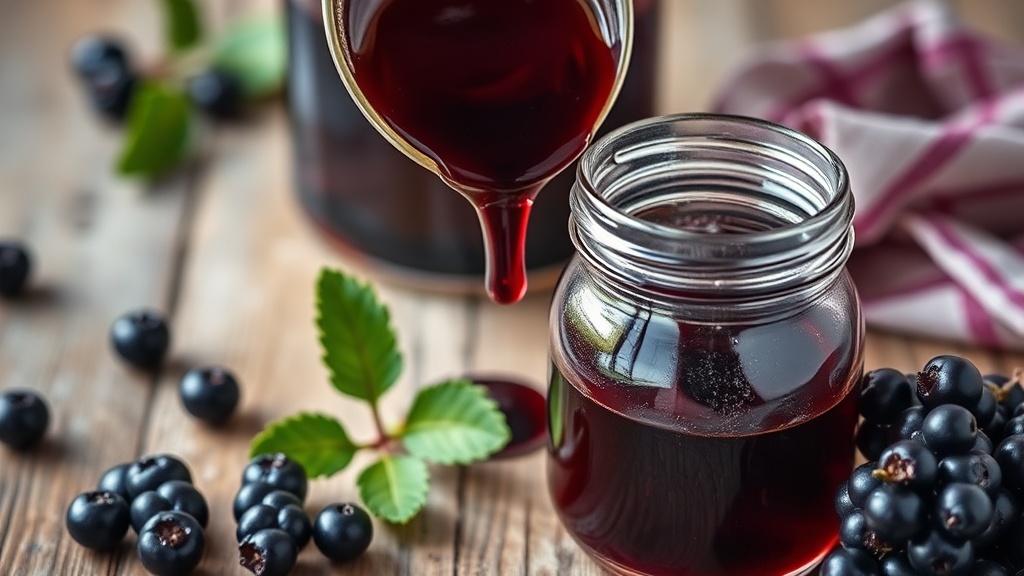
Making Your Own Elderberry Syrup for Immune Support

A parent stands in the pharmacy aisle, staring at a shelf of brightly colored, high-fructose corn syrup-based elderberry gummies, wondering if the $18 price tag is actually worth the sugar content. This is a common dilemma during cold and flu season. This guide provides a science-backed method for making your own elderberry syrup at home, ensuring you control the quality of the ingredients and avoid the unnecessary additives found in many commercial supplements.
Elderberry (Sambucus nigra) has become a staple in many wellness cabinets, but it is often shrouded in both excessive hype and dangerous misinformation. While it is not a "miracle cure," several studies suggest that the flavonoids found in elderberries may help reduce the duration and severity of upper respiratory symptoms. By making your own syrup, you can utilize whole dried berries, which contain a more complex profile of polyphenols than isolated extracts, and control the concentration of honey or sugar used for preservation.
The Science and Safety of Sambucus Nigra
Before you begin heating your berries, it is vital to understand the chemistry of the plant. Raw elderberries, as well as the leaves, stems, and seeds of the plant, contain cyanogenic glycosides. These are compounds that can release cyanide into the body if ingested improperly. This is why you must never consume raw elderberries or undercooked berries. Cooking the berries thoroughly neutralizes these compounds, making the fruit safe for consumption.
When selecting your ingredients, look for dried Sambucus nigra (European Elderberry) rather than Sambucus canadescens (American Elderberry), as the European variety is the standard used in most clinical research regarding antiviral properties. If you are foraging, ensure you have identified the plant correctly; elderberry bushes are easily confused with much more toxic plants like Water Hemlock. If you are not a professional botanist, I strongly recommend purchasing high-quality, organic dried elderberries from a reputable supplier like Mountain Rose Herbs or Starwest Botanicals.
Essential Equipment and Ingredients
To make a high-quality, shelf-stable syrup, you will need specific tools to ensure both safety and consistency. Using a fine-mesh strainer or cheesecloth is non-negotiable to ensure no seeds or berry skins remain in the final liquid, as these can cause digestive upset.
Ingredients List
- 1 cup Dried Elderberries: Ensure they are organic and free of any foreign plant matter.
- 4 cups Filtered Water: Using filtered water prevents chlorine or heavy metals from interfering with the extraction.
- 1 cup Raw Honey: I recommend using local honey, such as Manuka or a high-quality wildflower honey, for its natural enzymatic properties. Note: Never give honey to infants under one year of age due to the risk of botulism.
- 2 tablespoons Fresh Ginger Root: Grated or finely chopped to add anti-inflammatory properties.
- 1 teaspoon Ceylon Cinnamon: Use Ceylon rather than Cassia for a more subtle flavor and a better antioxidant profile.
- ½ teaspoon Ground Cloves: These act as both a flavor enhancer and a natural preservative.
Required Tools
- Medium Saucepan: Stainless steel is preferred over non-stick to avoid any chemical leaching during the boiling process.
- Fine Mesh Strainer: To remove the berry solids.
- Cheesecloth: For a more thorough straining of the liquid.
- Glass Storage Jar: A sterilized amber glass jar or a Mason jar is best for protecting the syrup from light degradation.
Step-by-Step Instructions
Follow these steps precisely to ensure the cyanogenic glycosides are fully neutralized and the syrup reaches the correct consistency.
- Combine and Simmer: Place the dried elderberries, filtered water, grated ginger, cinnamon, and cloves into your saucepan. Bring the mixture to a gentle boil. Once boiling, immediately reduce the heat to low.
- The Reduction Phase: Cover the pot with a lid to prevent excessive evaporation, but leave it slightly ajar to allow steam to escape. Simmer the mixture for approximately 45 to 60 minutes. You are looking for the liquid to reduce by nearly half. This concentration is key to the potency of the syrup.
- The Straining Process: Remove the saucepan from the heat. Place your fine-mesh strainer over a glass bowl and pour the mixture through. For an even smoother texture, use a piece of cheesecloth to squeeze out every last drop of the liquid from the berries. Discard the berry solids and spices.
- Cooling and Honey Integration: Allow the liquid to cool until it is lukewarm (approximately 100°F to 110°F). This is a critical step. If you add the honey to boiling liquid, you will destroy the delicate enzymes and beneficial properties of the raw honey. Once cooled, stir in the one cup of raw honey until fully incorporated.
- Bottling and Storage: Pour the finished syrup into your sterilized glass jar. Seal the lid tightly and store the bottle in the refrigerator.
Storage, Shelf Life, and Dosage
Because this recipe uses honey as a preservative rather than high-fructose corn syrup or chemical preservatives, it is a "living" product. It is not shelf-stable at room temperature. Always keep your elderberry syrup in the refrigerator to prevent fermentation or mold growth.
Shelf Life: Under proper refrigeration, this syrup will remain potent for approximately 2 to 3 months. If you notice any changes in smell, an increase in bubbling (which indicates fermentation), or the appearance of mold, discard the batch immediately.
Standard Usage: While there is no official medical dosage for herbal syrups, a common practice for wellness support is 1 tablespoon daily for adults during the winter months. If you feel the onset of a cold, some practitioners suggest taking the dose every 3 to 4 hours for a short duration. For children over the age of one, a half-teaspoon dose is a standard starting point. Always consult with a healthcare provider before introducing new supplements to a child's routine.
Troubleshooting and Practical Tips
If your syrup is too thin, you likely did not reduce the liquid enough during the simmering stage. You can attempt to fix this by reheating the liquid (without the honey) and simmering it further, but be aware that excessive heat can degrade some of the antioxidants. If the syrup is too thick, you can whisk in a small amount of warm water to adjust the consistency.
For those looking to expand their herbal toolkit, pairing this with other seasonal rituals can be beneficial. For instance, if you are focusing on overall wellness and sleep hygiene, you might also explore how to brew the perfect cup of chamomile tea to support your nervous system during stressful seasons.
A Note on Quality Control: Avoid using "elderberry extract" from a bottle if you want the most control over your ingredients. The homemade method allows you to ensure that your ginger and cinnamon are high-quality and that your honey is truly raw and unprocessed. This level of transparency is what separates functional wellness from the marketing hype found in big-box stores.
Making your own elderberry syrup is a practical, cost-effective way to support your family's immune health using evidence-based botanical principles. It moves you away from the uncertainty of commercial supplements and places the power of ingredient control back into your hands.
Steps
- 1
Simmer the berries with water and spices
- 2
Mash the berries to release their juices
- 3
Strain the mixture through a fine mesh sieve
- 4
Add honey once the liquid has cooled slightly