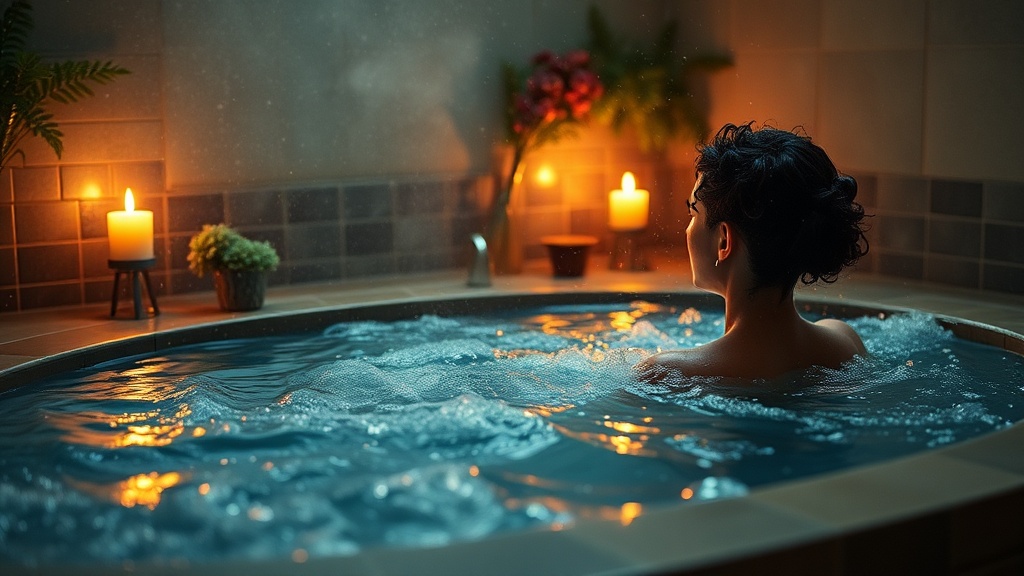
Nurture Your Nervous System with Botanical Magnesium Baths

Imagine it is 9:00 PM on a Tuesday. You have just finished a high-intensity interval training (HIIT) session, or perhaps you have spent eight hours staring at a dual-monitor setup under fluorescent lights. Your muscles feel tight in the lower back and calves, and while your body is physically exhausted, your mind is still racing with the cognitive load of the day. You reach for a glass of water, but your body feels a deep, systemic sense of tension that a simple beverage won't resolve. This is often a sign of magnesium depletion—a common physiological state where the nervous system remains in a state of hyper-arousal despite physical fatigue.
While the wellness industry often promotes "magnesium supplements" as a panacea, the efficacy of oral supplementation can vary wildly based on bioavailability and gastrointestinal tolerance. One of the most effective, evidence-based ways to support systemic relaxation is through transdermal absorption via a botanical magnesium bath. By combining magnesium sulfate (Epsom salts) with specific nervine herbs, you are not just "pampering" yourself; you are utilizing a physiological pathway to soothe the central nervous system and support muscle recovery.
The Science of Magnesium and the Nervous System
Magnesium is a critical cofactor for over 300 enzymatic reactions in the human body. Most notably, it plays a fundamental role in regulating the hypothalamic-pituitary-adrenal (HPA) axis, which governs our stress response. When magnesium levels are low, the body struggles to regulate cortisol, leading to the "tired but wired" sensation many people experience. Magnesium acts as a natural calcium channel blocker, helping to prevent the over-excitation of neurons and muscle fibers.
The concept of transdermal magnesium absorption—the idea that minerals can be absorbed through the skin—is often debated in mainstream clinical circles. However, the use of magnesium-rich salts in a warm bath is a staple in clinical naturopathy for a reason. The warmth of the water increases peripheral circulation and vasodilation, which may facilitate the movement of ions across the skin barrier. When we combine this with botanical nervines, we are addressing both the chemical and the sensory aspects of relaxation.
Why Epsom Salts?
Epsom salt is not actually a salt in the chemical sense (like sodium chloride); it is magnesium sulfate. When dissolved in water, it provides a concentrated source of magnesium and sulfate. The sulfate component is essential for supporting liver detoxification pathways and ensuring the body can process metabolic waste efficiently. For a therapeutic bath, look for high-quality, USP-grade magnesium sulfate that is free from synthetic fragrances or artificial dyes, which can irritate the skin during the increased circulation of a hot soak.
Selecting Your Botanical Allies: The Top Nervines
To transform a standard salt bath into a targeted therapeutic treatment, you must select herbs based on their specific "energetic" and chemical properties. In clinical herbalism, we categorize these as nervines—plants that specifically support and soothe the nervous system. Below are the most effective botanicals to include in your magnesium soak.
1. Lavender (Lavandula angustifolia)
Lavender is more than just a pleasant scent; it contains high concentrations of linalool and linalyl acetate. These compounds have been shown in clinical studies to interact with the GABAergic system, the same pathway targeted by many anti-anxiety medications, though much more gently. Adding dried lavender buds to your bath provides both aromatherapy benefits and a visual cue for the brain to begin the relaxation process.
2. Chamomile (Matricaria chamomilla)
Chamomile is a powerhouse for soothing both the gut and the nerves. It contains apigenin, an antioxidant that binds to certain receptors in your brain that may promote sleepiness and reduce anxiety. If your stress often manifests as digestive discomfort or "nervous stomach," a chamomile-infused bath is an ideal choice.
dd3. Lemon Balm (Melissa officinalis)
A member of the mint family, Lemon Balm is a gentle carminative and nervine. It is particularly effective for those who experience "nervous exhaustion." It helps to lift the mood while simultaneously calming the physical tremors associated with high stress. It is an excellent addition if you feel a sense of dread or heavy fatigue.
4. Rose Petals (Rosa damascena)
In many traditional herbal practices, Rose is used to "soften" the emotional edges of stress. While more subtle than Lavender, the inclusion of high-quality rose petals helps to soothe the skin and provides a grounding, sensory experience that encourages mindfulness.
The Anatomy of a Perfect Botanical Magnesium Bath
To ensure you are getting the most out of your ritual, you should follow a specific protocol. A haphazard approach—throwing a handful of salt and some herbs into a lukewarm tub—will not yield the same physiological results as a structured treatment.
The Recipe: The "Deep Rest" Soak
For a standard bathtub filled with approximately 30–35 gallons of water, use the following ratios:
- 2 Cups Magnesium Sulfate (Epsom Salt): This provides the primary mineral base.
- 1/2 Cup Baking Soda (Sodium Bicarbonate): This softens the water and helps soothe skin irritation.
- 1/4 Cup Dried Botanical Blend: A mix of 2 parts Lavender, 1 part Chamomile, and 1 part Lemon Balm.
- 1 Tablespoon Carrier Oil: Use Jojoba oil or Sweet Almond oil. This helps the essential oils (if using) distribute evenly and prevents the salts from drying out your skin.
Step-by-Step Preparation Guide
- Prepare the Botanical Infusion: Do not simply throw dry herbs into the tub, as they can be difficult to rinse off your skin. Instead, place your dried herbs in a muslin bag or a large tea infuser. Steep the herbs in 2 cups of boiling water for 10 minutes to create a "concentrated tea."
- Dissolve the Salts: While your tea is steeping, add the Epsom salts and baking soda to your bathtub.
- Control the Temperature: The water should be warm, not scalding. Ideally, aim for 92°F to 100°F (33°C to 38°C). Water that is too hot can actually trigger a cortisol spike and increase your heart rate, which is counterproductive to nervous system regulation.
- Combine: Pour the concentrated herbal tea and any carrier oils into the bath. Stir the water with your hand to ensure the minerals and oils are fully integrated.
- The Soak: Submerge yourself for 20 to 30 minutes. This is the "sweet spot" for absorption and psychological transition.
Optimizing the Environment for Sensory Integration
A botanical bath is a multi-sensory experience. To maximize the efficacy of the magnesium and the nervine herbs, you must address the other senses. If you are listening to a high-tempo podcast or scrolling through social media, you are still feeding the sympathetic nervous system (the "fight or flight" mode). To truly move into the parasympathetic state (the "rest and digest" mode), you must limit external stimuli.
I recommend dimming the lights or using beeswax candles to reduce blue light exposure. If you find silence deafening, try low-frequency ambient sounds or "brown noise," which is deeper and more grounding than white noise. This practice of sensory deprivation allows the chemical properties of the herbs to do their work without interruption.
If you find that your evening ritual requires more than just a bath to settle your system, you might consider brewing your own calming chamomile & lavender nighttime elixir to sip alongside your soak. This creates a dual-layered approach: topical mineral absorption and internal botanical support.
Safety and Practical Considerations
While magnesium baths are generally safe for most people, there are a few clinical caveats to keep in mind:
- Kidney Function: If you have chronic kidney disease or impaired kidney function, consult your physician before using magnesium-rich baths. The kidneys are responsible for processing magnesium, and an imbalance can be problematic for those with renal issues.
- Skin Sensitivity: Always perform a patch test if you are using essential oils. Pure essential oils should never be dropped directly into bathwater, as they can float on the surface and cause chemical burns on sensitive skin. Always dilute them in a carrier oil first.
- Hydration: Magnesium baths can be slightly dehydrating due to the heat. Ensure you drink a full glass of filtered water before and after your soak.
- Post-Bath Transition: Do not jump straight from a hot bath into a cold room. This can shock the system. Dry off gently and wrap yourself in a warm cotton robe to allow your body temperature to descend gradually.
By treating your magnesium bath as a clinical tool rather than a luxury, you are taking an active role in your neurological health. It is a practical, science-backed way to bridge the gap between a high-stress day and a restorative night of sleep.