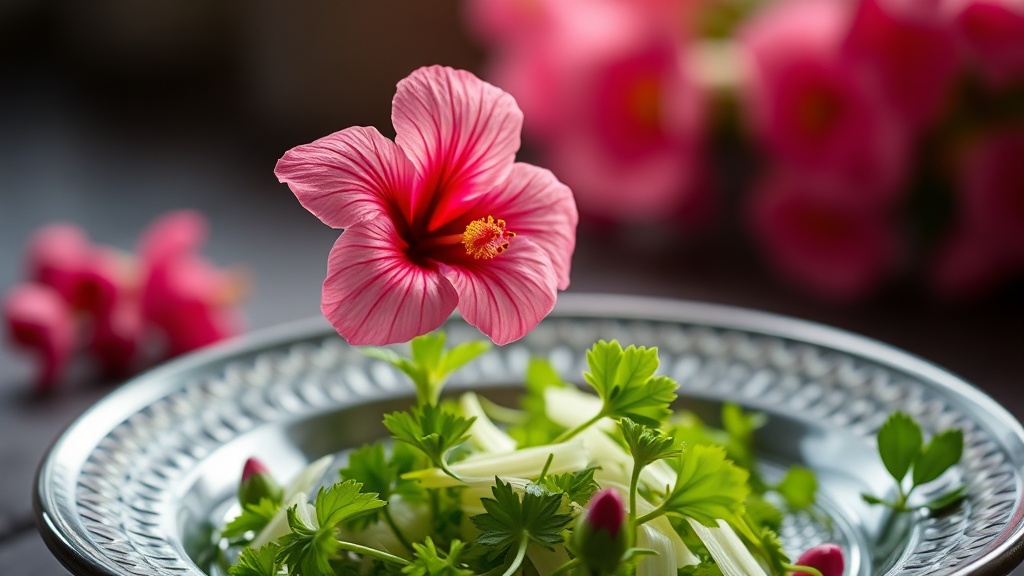
Soothing Your Digestive Rhythm with Gentle Hibiscus and Fennel

In this guide, you'll learn the specific physiological benefits of hibiscus and fennel, how to use them to support digestive comfort, and how to prepare them safely. We're looking at the science behind these two plants—one a vibrant antioxidant powerhouse and the other a classic carminative—to see how they can help regulate your digestive rhythm without relying on harsh-acting stimulants or laxatives.
How Does Fennel Support Digestion?
Fennel (Foeniculum vulgare) works primarily as a carminative, which means it helps reduce gas and soothe intestinal spasms. It contains a high concentration of anethole, a compound that helps relax the smooth muscles of the gastrointestinal tract. If you've ever felt that uncomfortable, tight bloating after a heavy meal, fennel is often the first line of defense in a clinical setting.
The way it works is actually quite straightforward. When you consume fennel, the essential oils interact with the muscle tissue in your gut to ease tension. This isn't magic—it's basic chemistry. It helps move gas through the system rather than letting it sit and cause discomfort. (I've seen much more success with fennel than with many "detox" teas that rely on harsh senna leaves.)
There are a few ways to use it:
- Whole Seed Tea: The most traditional way. You lightly crush the seeds to release the oils before steeping.
- Infusions: Using the dried, crushed herb in a larger volume of water.
- Tinctures: A more concentrated liquid form for quicker absorption.
It's worth noting that while fennel is generally safe, people with estrogen-sensitive conditions should check with a healthcare provider first. The plant does have mild estrogenic effects. You can read more about the botanical properties of fennel on the Wikipedia page for Fennel to see its historical and biological context.
What Are the Benefits of Hibiscus?
Hibiscus (Hibiscus sabdarica) provides high levels of organic acids and antioxidants that support metabolic health and cardiovascular function. While often used for its bright, tart flavor, its real value lies in its ability to support the body's natural filtration processes. It's rich in anthocyanins—the same pigments found in blueberries—which help combat oxidative stress.
In a digestive context, hibiscus is often used to soothe the upper GI tract. Its acidity is mild and can actually aid in the breakdown of nutrients, though it isn't a replacement for stomach acid. It's more about supporting the overall "flow" of your system. If you enjoy the flavor of a tart berry, you'll likely enjoy a hibiscus infusion. It's a much better alternative to sugary fruit juices when you want a flavorful beverage.
One thing to keep in mind: hibiscus is quite potent. If you're someone who experiences heartburn or acid reflux, you might want to use it sparingly. The tartness can sometimes aggravate an already sensitive esophagus. I often suggest pairing it with a calming herb to balance the sensation.
If you want to understand how to build a more complex tea profile, check out my post on how to craft your own calming herbal tea blends. It helps to know how to balance flavors and effects.
Can I Mix Hibiscus and Fennel Together?
Yes, combining hibiscus and fennel creates a balanced infusion that addresses both upper and lower digestive discomfort. The tart, bright notes of the hibiscus act as a perfect culinary counterpoint to the sweet, licorice-like flavor of the fennel. This combination is excellent for those who want a refreshing drink that also serves a functional purpose.
| Feature | Fennel (Foeniculum vulgare) | Hibiscus (Hibiscus sabdarica) |
|---|---|---|
| Primary Action | Carminative (reduces gas/bloating) | Antioxidant (supports metabolic health) |
| Flavor Profile | Sweet, licorice, slightly herbaceous | Tart, cranberry-like, acidic |
| Best Used For | Intestinal cramps and gas relief | General wellness and refreshment |
| Precaution | Estrogen-sensitive conditions | Acid reflux/Heartburn |
When you mix them, you're essentially attacking the digestive issue from two angles. The fennel relaxes the physical tension in the gut, while the hibiscus provides the micronutrients and organic acids that support a healthy metabolic environment. It's a smart, two-pronged approach.
A common mistake I see in the wellness world is the idea that you need a "detox" to fix digestion. You don't need a detox; you need gentle support. A well-made tea is a way to provide the body with the tools it needs to do its job without the drama of a stimulant-based laxative.
How Do I Make a Hibiscus-Fennel Infusion?
To make an effective infusion, you should use a combination of dried hibiscus calyces and slightly crushed fennel seeds. Using a high-quality source for your herbs is vital—I personally look for organic certifications to ensure there aren't heavy metals or pesticides present in the dried plant material.
- Measure: Use 1 tablespoon of dried hibiscus and 1 teaspoon of whole fennel seeds per 12 ounces of water.
- Prep the Seeds: Give the fennel seeds a quick crush with a mortar and pestle or the back of a spoon. This breaks the outer shell so the oils can actually reach your water.
- Temperature: Bring your water to a boil, then let it sit for about 60 seconds. You don't want to use rolling boiling water directly on the hibiscus, as it can make the tea excessively bitter and degrade some of the delicate compounds.
- Steep: Pour the water over the herbs and cover your vessel. Covering is important—it keeps the volatile oils (the stuff that actually helps you) from escaping in the steam.
- Time: Let it steep for 7 to 10 minutes.
- Strain: Pour through a fine mesh strainer and enjoy warm or chilled.
For more information on the botanical science of tea, the National Center for Biotechnology Information offers extensive research-based papers on plant-derived compounds and their effects on human physiology.
If you find that your digestive issues are actually driven by stress rather than just physical discomfort, you might find it helpful to look at how your nervous system affects your gut. I've written about nervine herbs that help the stress response, which can be a helpful companion to digestive-focused herbalism.
One final tip: don't overdo it. While these herbs are gentle, they are still bioactive. I recommend starting with one cup in the afternoon or after a meal to see how your body responds. Everyone's digestive terrain is different, and what works for a friend might be a bit too much for you. Listen to your body's signals—it's the most reliable tool you have.