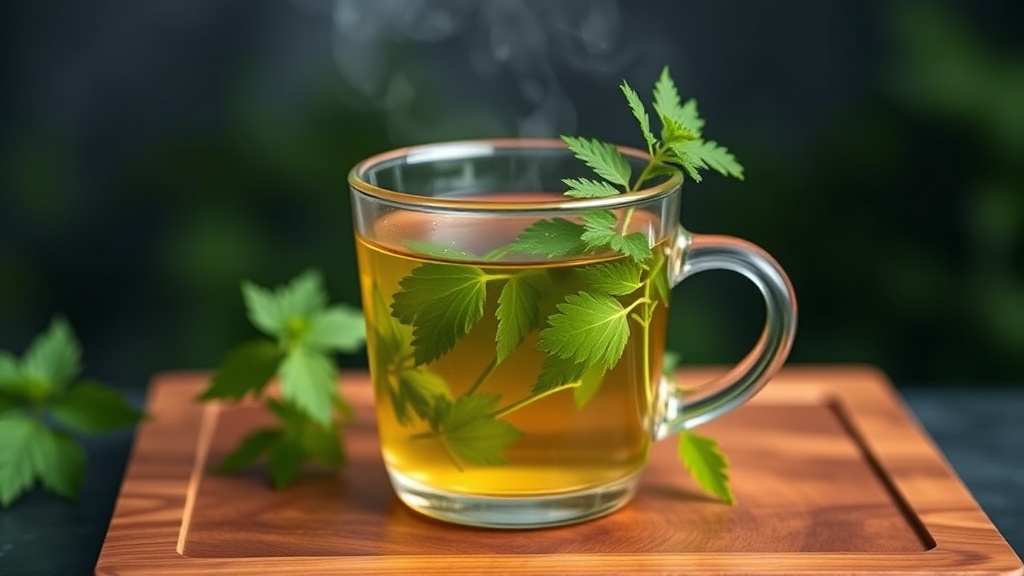
Why You Should Try Nettle Tea for Seasonal Allergies

The stinging hairs of a stinging nettle plant (*Urtica dioica*) can cause an immediate, sharp irritation on the skin upon contact, but this same plant is one of the most nutrient-dense tools available for managing seasonal allergy symptoms. If you are currently struggling with itchy eyes, sneezing, or nasal congestion due to high pollen counts, nettle tea offers a science-backed way to support your body's inflammatory response. This post examines the phytochemical profile of nettle, how it interacts with histamine, and the practical ways to incorporate it into your wellness routine to mitigate seasonal discomfort.
The Science of Nettle and Histamine
To understand why nettle is effective for allergies, we must first look at the biological mechanism of an allergic reaction. When your immune system encounters a perceived threat—such as ragweed pollen or mold spores—it triggers the release of histamine. Histamine is the chemical responsible for the swelling, itching, and mucus production associated with hay fever. While many over-the-counter antihistamines work by blocking H1 receptors, nettle operates through a more complex, multi-faceted approach.
Research suggests that Urtica dioica contains various compounds that may act as natural antihistamines and anti-inflammatories. Specifically, nettle contains bioactive constituents that can inhibit the production and release of histamine from mast cells. Furthermore, the plant is rich in quercetin, a flavonoid known for its ability to stabilize mast cells. By stabilizing these cells, nettle helps prevent the "explosion" of histamine before the symptoms even begin. This is a proactive approach rather than a purely reactive one.
Unlike synthetic antihistamines, which often cause drowsiness by crossing the blood-brain barrier, nettle does not typically interfere with cognitive function. This makes it a viable option for those who need to remain productive during work hours while managing seasonal symptoms. However, it is important to view nettle as a supportive botanical rather than a direct replacement for emergency medical intervention if you are experiencing anaphylaxis.
Nutritional Density and Immune Support
One reason nettle is a staple in clinical herbalism is its exceptional nutritional profile. Seasonal allergies often exacerbate systemic inflammation, and a body that is nutrient-deficient is less capable of maintaining a balanced immune response. Nettle is a powerhouse of minerals that are often depleted during periods of high physiological stress.
- Iron: Essential for oxygen transport and maintaining energy levels during bouts of seasonal fatigue.
- Magnesium: Plays a critical role in muscle relaxation and nervous system regulation. If you find your allergy symptoms are causing tension headaches, you might find value in learning how to nurture your nervous system with botanical magnesium baths to complement your internal tea ritual.
- Calcium and Potassium: Vital for cellular communication and maintaining electrolyte balance.
- Vitamin K and Vitamin C: Supports both blood clotting mechanisms and immune function.
When you consume nettle in a liquid form, you are providing your body with a bioavailable dose of these micronutrients. This nutritional support helps bolster the foundation of your immune system, making it more resilient to the environmental triggers of spring and autumn.
How to Prepare Nettle Tea for Maximum Efficacy
Not all tea preparations are created equal. If you are using nettle specifically for its medicinal properties regarding allergies, a standard 3-minute steep in a mug will not be sufficient to extract the minerals and flavonoids required. To get the therapeutic benefits, you should utilize the "infusion" method rather than a simple "infusion" or "steep."
The Long Infusion Method
A long infusion involves steeping the herb in hot water for a significantly longer period, often several hours. This process ensures that the dense minerals and complex polysaccharides are fully extracted from the tough, fibrous leaves.
- Measure your herbs: Use approximately 1 ounce (about 28 grams) of dried nettle leaf for every quart (roughly 1 liter) of water.
- Heat the water: Bring your water to a boil, but let it sit for a minute so it is just below a rolling boil (around 190°F-200°F). You want to avoid scorching the delicate leaves.
- The Vessel: Use a glass Mason jar or a high-quality ceramic teapot with a tight-fitting lid. This prevents the steam—and the volatile compounds—from escaping.
- The Wait: Pour the water over the leaves and cover the container. Let it steep for at least 4 to 8 hours. Many people find it easiest to prepare a large batch in the evening and let it sit on the counter overnight, then strain it in the morning.
- Strain and Store: Use a fine-mesh strainer or a piece of cheesecloth to remove the spent leaves. Store the resulting liquid in the refrigerator for up to 3-5 days.
The Quick Tea Method
If you are looking for immediate, temporary relief for a scratchy throat or mild congestion, a standard tea infusion is acceptable. Use 1-2 teaspoons of dried nettle per cup of hot water and steep for 10-15 minutes. While this provides a quicker dose of caffeine-free warmth and hydration, it lacks the mineral density of the long-infusion method.
Practical Tips for Seasonal Success
To get the most out of your nettle regimen, consistency is key. Unlike a pharmaceutical pill that you take once a symptom becomes unbearable, herbal support works best when it is integrated into your daily routine.
Start Early: Do not wait until the first sneeze to begin your nettle regimen. If you know your allergies typically flare up in late March, begin drinking your nettle infusion in mid-February. This allows the plant's nutrients to build up in your system and prepares your mast cells for the upcoming pollen surge.
Monitor Your Intake: While nettle is generally considered safe, it is a potent botanical. It has a mild diuretic effect, meaning it may increase urination. If you are already taking diuretic medications (such as certain blood pressure medications), consult with your healthcare provider before significantly increasing your nettle consumption. Additionally, because of its effect on blood sugar and blood pressure, those with these specific conditions should monitor their levels closely.
Pairing with Other Botanicals: If your allergy symptoms include significant inflammation or digestive sluggishness, you can create a more complex wellness routine. For example, if your seasonal symptoms are accompanied by an upset stomach, you might consider how to nurture your gut with fermented probiotic elixirs to support the gut-lung axis, which is deeply connected to immune health.
Sourcing and Quality Control
As a former research librarian, I cannot stress enough the importance of sourcing. The "wellness" industry is often unregulated, and many products labeled "Nettle Tea" may be filled with low-quality dust or even fillers. When purchasing dried nettle, look for the following markers of quality:
- Whole or Cut-and-Sifted Leaves: Avoid products that look like fine powder. Powdered herbs have a much higher surface area, leading to faster oxidation and loss of potency.
- Organic Certification: Nettle is a vigorous grower and can readily absorb heavy metals from the soil if grown in contaminated areas. Opting for organic ensures you aren't consuming pesticides alongside your minerals.
- Clear Packaging: Herbs should be stored in opaque or dark glass containers. Light and heat are the enemies of herbal potency.
If you are harvesting your own nettle, ensure you are working in a clean environment away from roadsides or industrial zones. Always wear thick gloves during the harvest to avoid the stinging hairs, and ensure you identify the plant correctly—Urtica dioica is the standard medicinal variety.
Summary of Usage
Nettle tea is a practical, evidence-based tool for anyone looking to manage the discomfort of seasonal allergies through a holistic lens. By utilizing the long-infusion method, you maximize the intake of minerals and flavonoids that support immune stability. Whether you are drinking it hot on a spring morning or iced throughout a warm afternoon, the goal is consistent, gentle support for your body's natural defenses.